JAP | ENG
India Travelogue 2015
#20/26
Kolkata to Darjeeling
Let’s go to the foothills of the Himalayas.
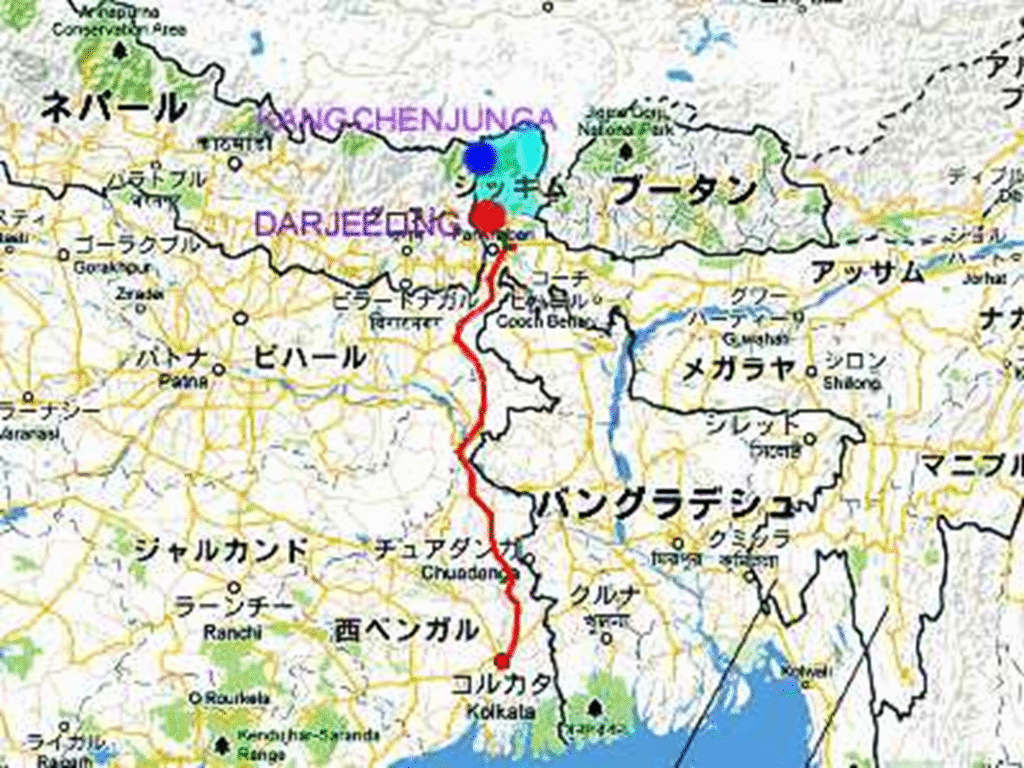
From Kolkata to Darjeeling by train
The terminal station in Kolkata, Sealdah Station
Kolkata has two large train stations. Both are comb-shaped terminal stations like those found in Europe. The largest station is Howrah Station, which is located on the opposite bank of the Hoogly River, which runs west of the city. From here, long-distance trains arrive and depart from Delhi and other major cities. It has 23 platforms and more than 247 trains run daily, making it the largest station in India.
The next largest terminal station is Sealdah station, which is located near the city and has 13 platforms. If you want to travel overland from Kolkata to Darjeeling, you have to get a ticket from here to the nearest station, New Jalpaiguri.
There are five to six distinction between the grades of Indian railways.
This seems to have something to do with the country’s caste system.
The parking lot in front of the station is chaotic with a large number of cars.
I was sent by a travel agency car, and then guided through the huge station premises, and somehow managed to reach the platform.
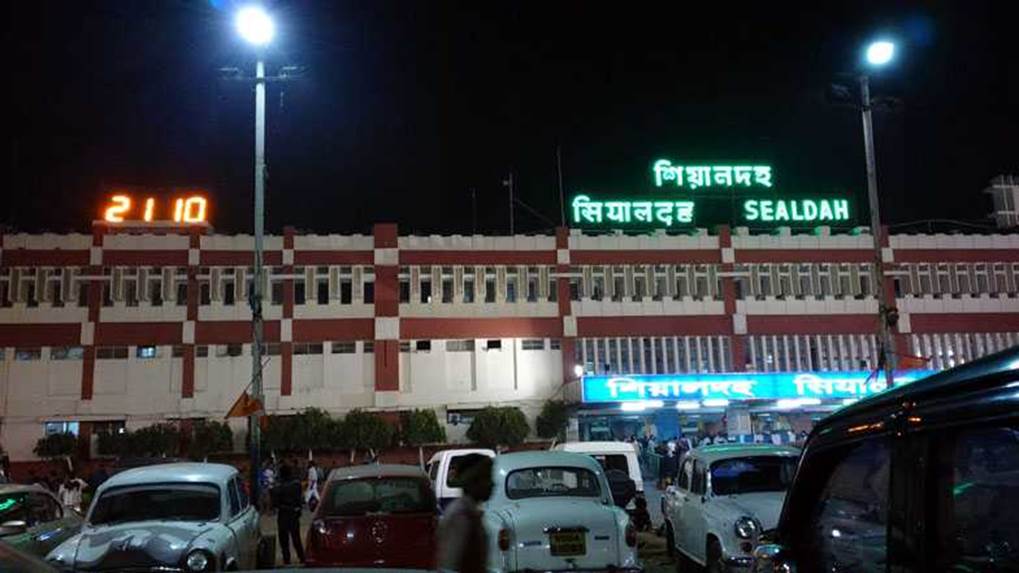
Photo by author, 2015
Depart from Sealdah Terminal Station in the middle of the night.
From here, the 500km, 10-hour overnight train journey begins.
The inside of the car are bunk beds, and there are 4 beds in each section.
The train is packed. Seeing this situation, I realized how lucky I was to have managed to secure a ticket.
Later, I was told by a staff member of a travel agency who worked to get me a ticket that first-class cars, like international night trains in Europe, were bought up in advance by high-ranking officials, high-ranking military personnel and their families.
From time to time, I see news of derailment and overturning of long-distance trains on Indian Railways, and I go to sleep praying that something like that won’t happen.
The interior of the train.
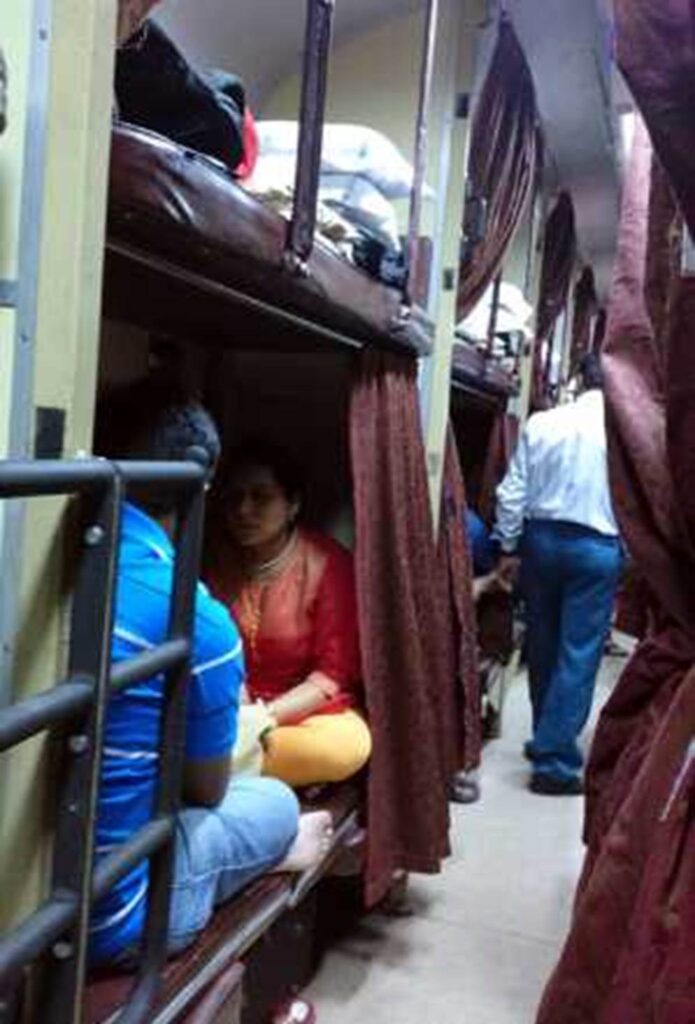
Photo by author, 2015
Travelling across the Bengal plains.
When I woke up the next morning, I found myself in stark contrast to the crowds of Kolkata, as the train made steady progress across several rivers in the Bengal plains.
The sound of the train running was nostalgic, reminiscent of the diesel cars of the Showa era in Japan.

Photo by author, 2015
The cool March air blew in through the train’s coupling.
As I was admiring the green plains, I felt like having a cigarette, so I lit one.
After smoking for a while, a middle-aged Indian woman who was going to the bathroom passed me and suddenly became angry.
There was no no-smoking sign, but it seems that smokers have to be narrow-shouldered here as well.
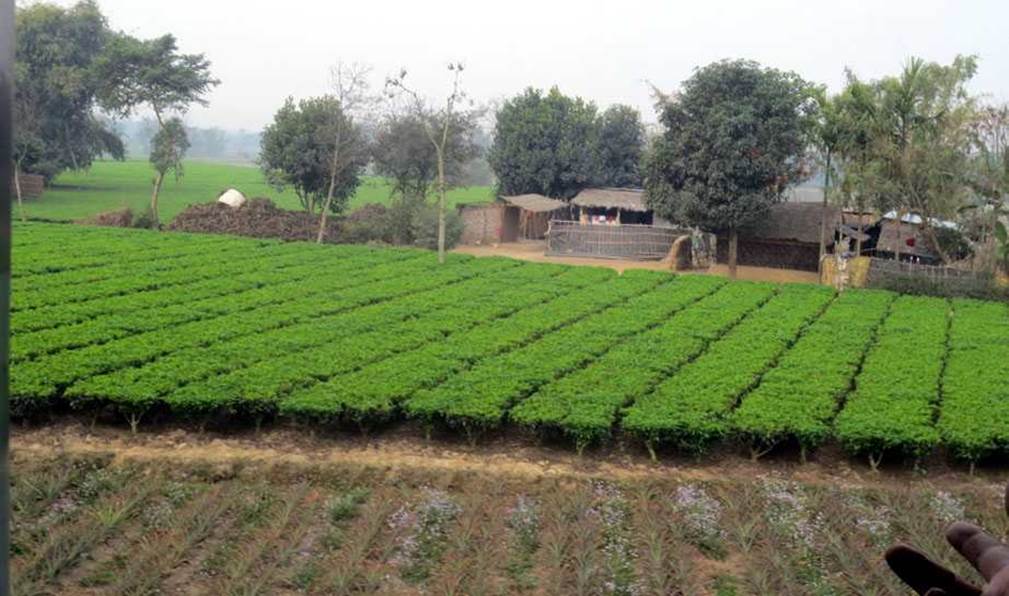
Photo by author, 2015
The morning continues and I was still running through the rich plains of Bengal.

Photo by author, 2015
New Jalpaiguri Railway Station
The train enters the destination terminus at the destination station,
New Jalpaiguri Station (NJP).
The NJP serves as a lifeline for the northeastern states (Assam).
The NJP serves as a link between the northeastern states and mainland India.
New Jalpaiguri Railway Station (NJP), commonly referred to as the gateway to northeastern India, is a railway station on the outskirts of Siliguri, the largest city in North Bengal.

Photo by author, 2015
New Jalpaiguri Railway Station is well connected to Kolkata, Delhi and Guwahati (Assam) and has express trains to various parts of India.
The station also has one narrow gauge platform and was previously served by the Darjeeling Himalayan Railway.
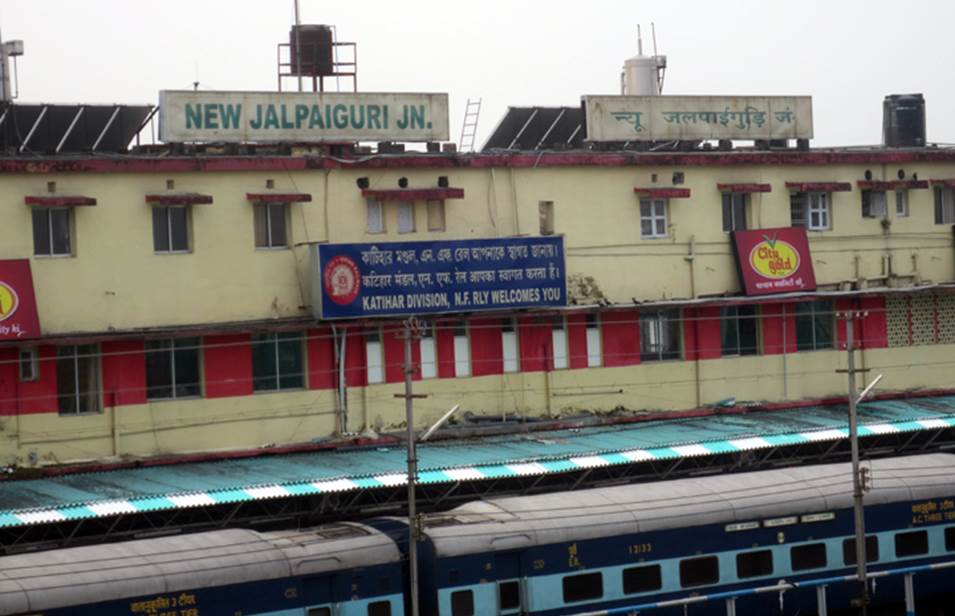
Photo by author, 2015
A diesel locomotive of the Darjeeling Express of the Indian Railway.
A rugged vintage diesel towing vehicle
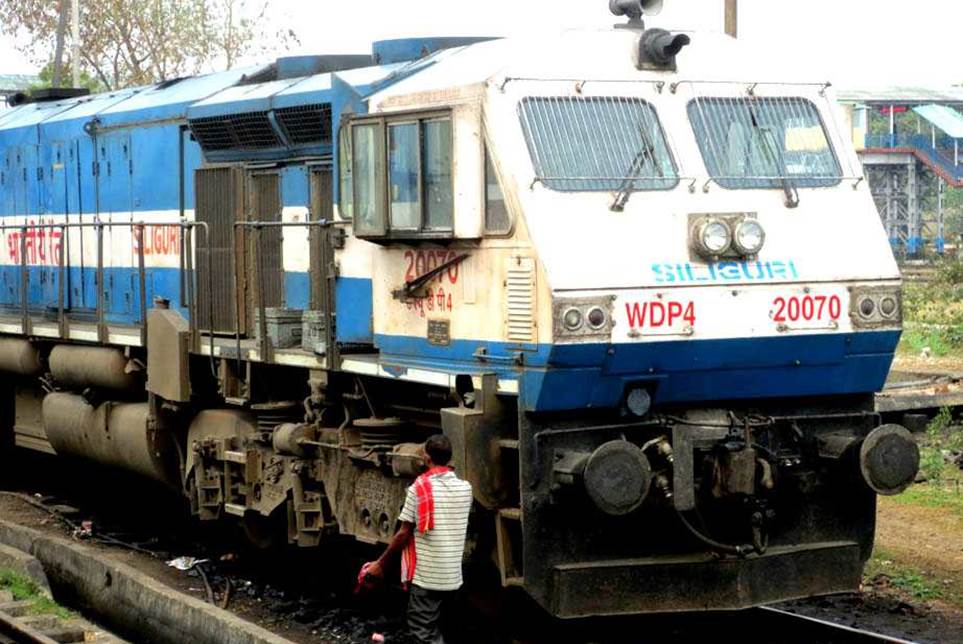
Photo by author, 2015
The scene inside the New Jalpaiguri Railway Station.
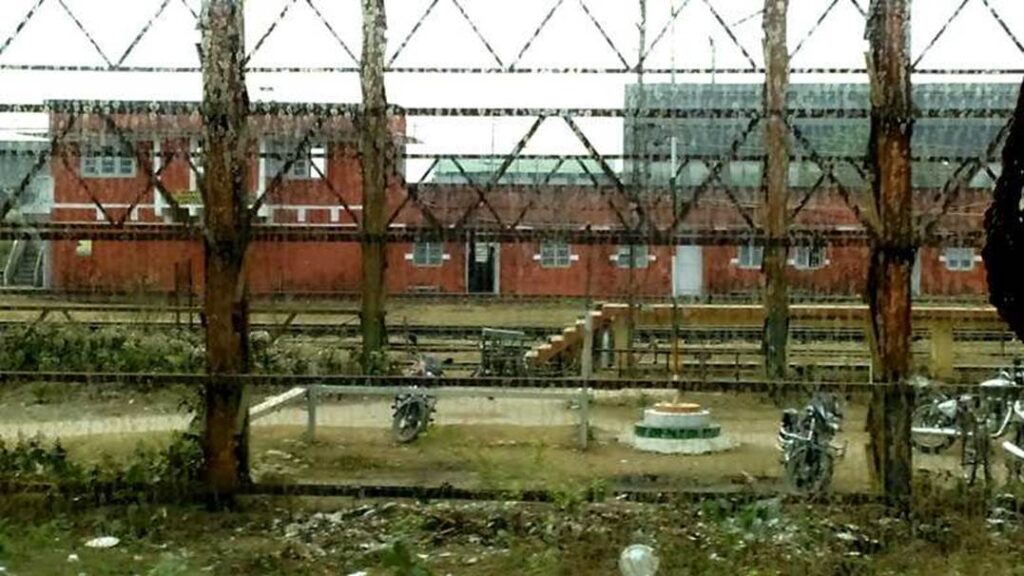
Photo by author, 2015
A large number of small railroad parcels, including mail, are being transported and unloaded onto the platform.
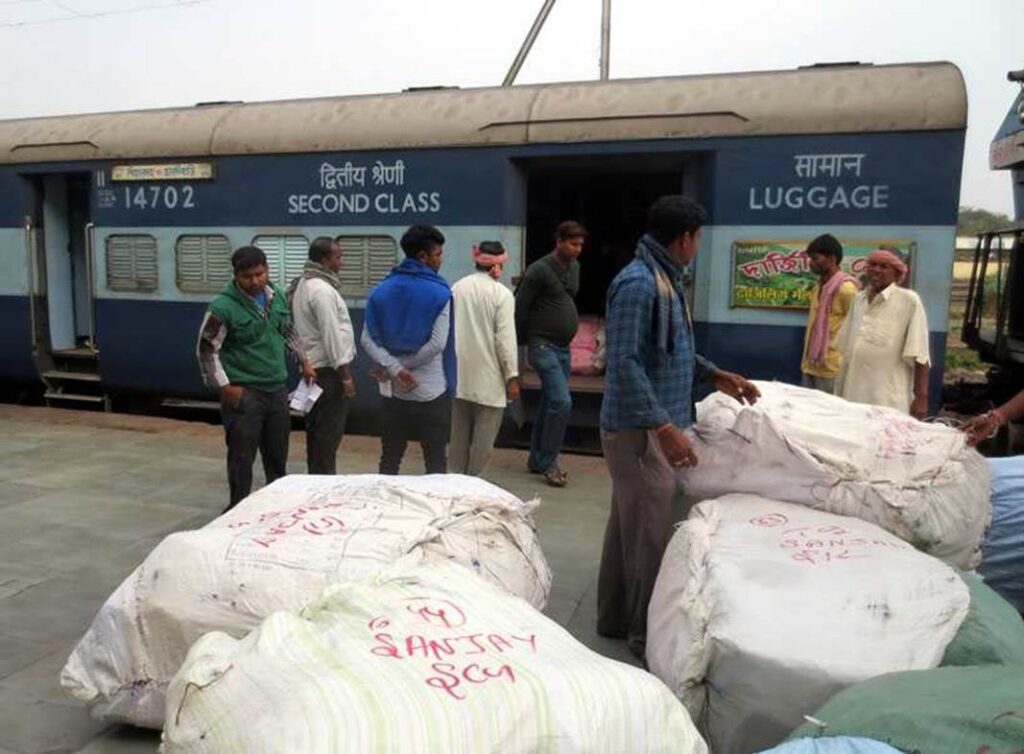
Photo by author, 2015
People who are relieved from the long night journey of 500 km, 12 hours ride from Kolkata.
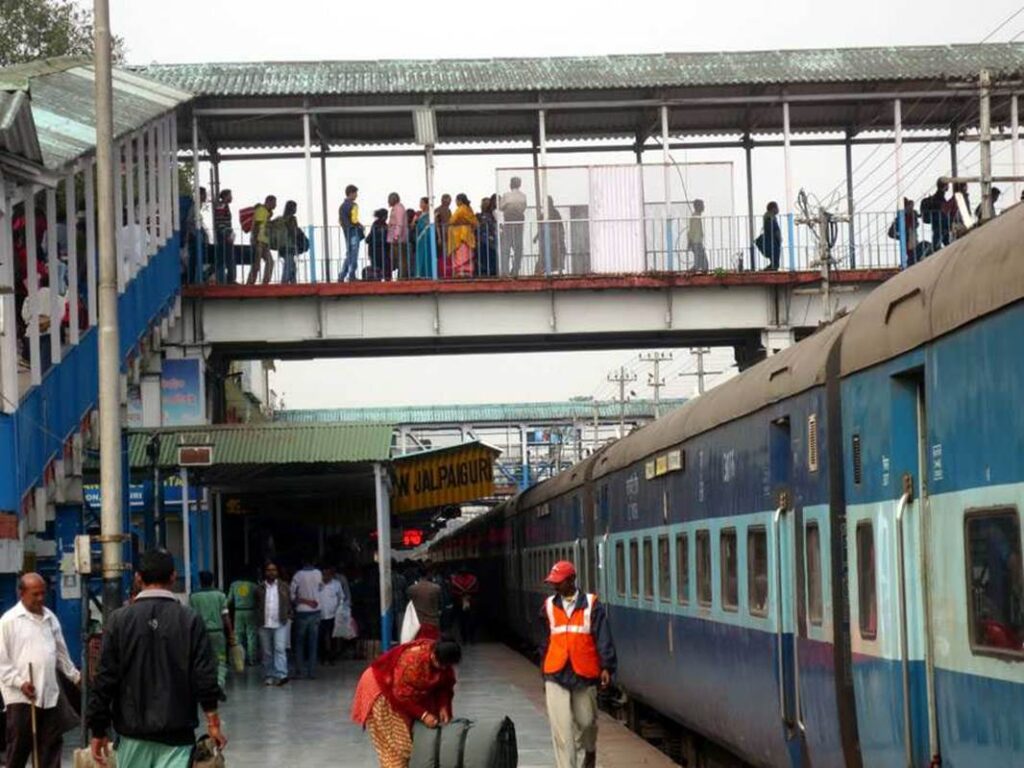
Photo by author, 2015
The 12-car long-distance train arrives on schedule at New Jalpaiguri Station.

Photo by author, 2015
In front of New Jalpaiguri Station.
At the New Jalpaiguri station, a chartered jeep with a guide and chauffeur was waiting to pick us up from Darjeeling. I had it arranged through a travel agency in Kolkata.
There were no mistakes, so I was relieved. In this four-wheel drive vehicle, we climbed an altitude difference of 2,100m in one go.

Photo by author, 2015
Siliguri, a strategic town
The unfamiliar town of Siliguri in West Bengal is a strategic point that all roads travelling from the Indian mainland to the exclave of Assam must pass through. The road to Darjeeling and Sikkim runs north on flat land for about 20 km from here and climbs a mountain road in Tsuzuri.
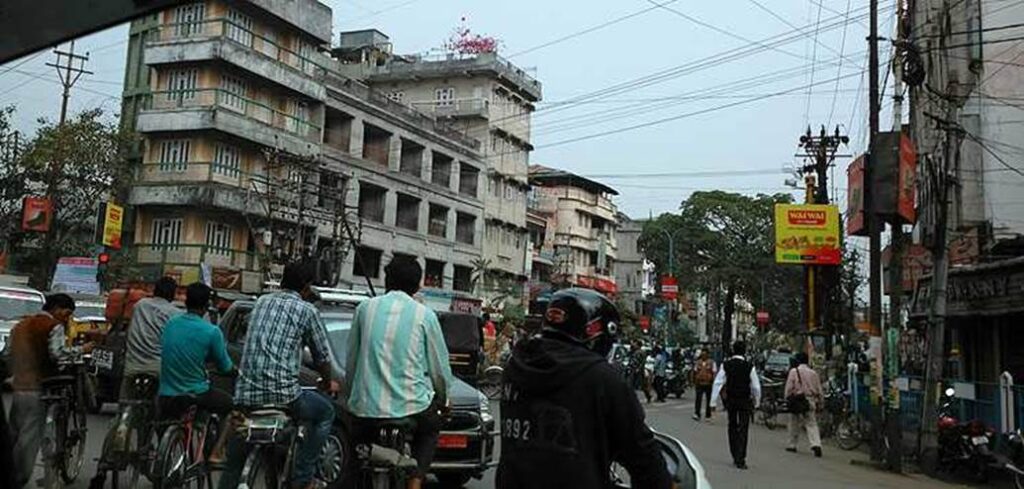
Photo by author, 2015
In the last 25 years, the population has grown by a staggering 2.5 times.
The town has about 700,000 inhabitants and is lively due to an increase in migrants from West Bengal, Darjeeling, Sikkim, Nepal and Bhutan.
A view of the city of Siliguri.
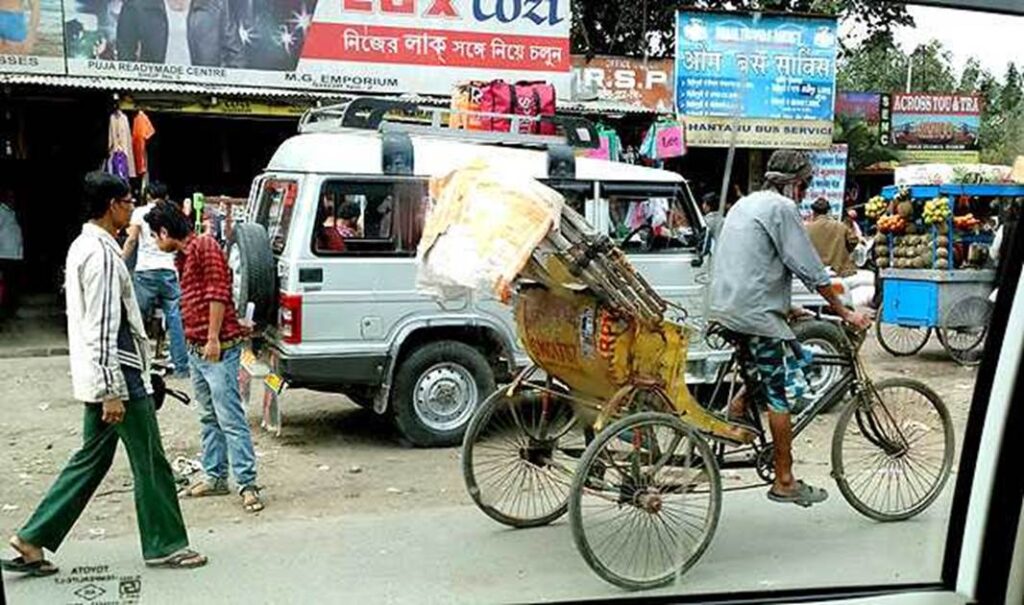
Photo by author, 2015
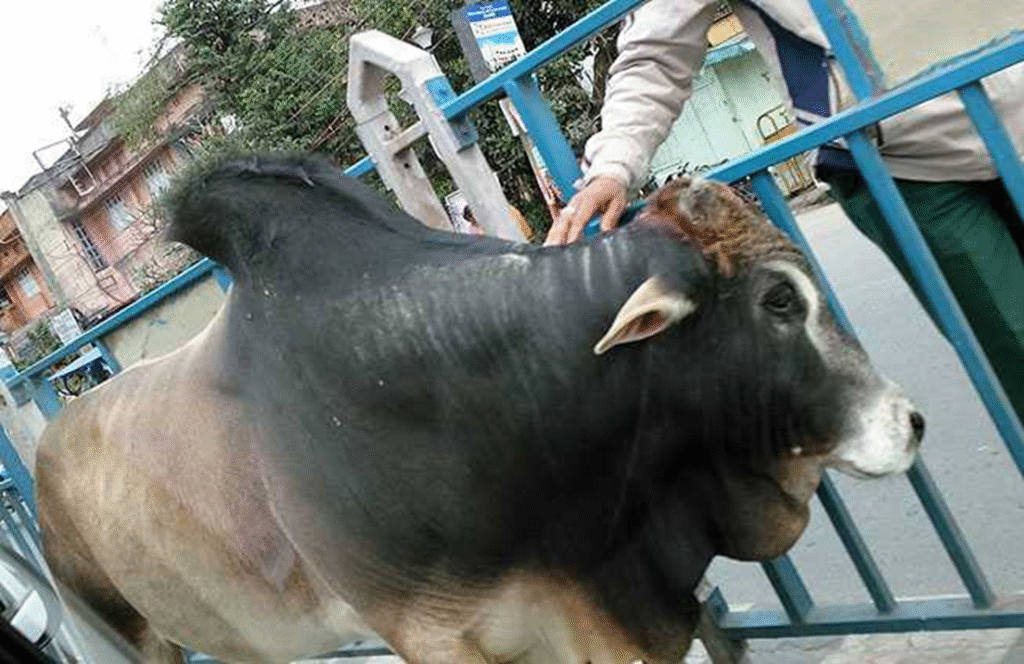
Photo by author, 2015

Photo by author, 2015
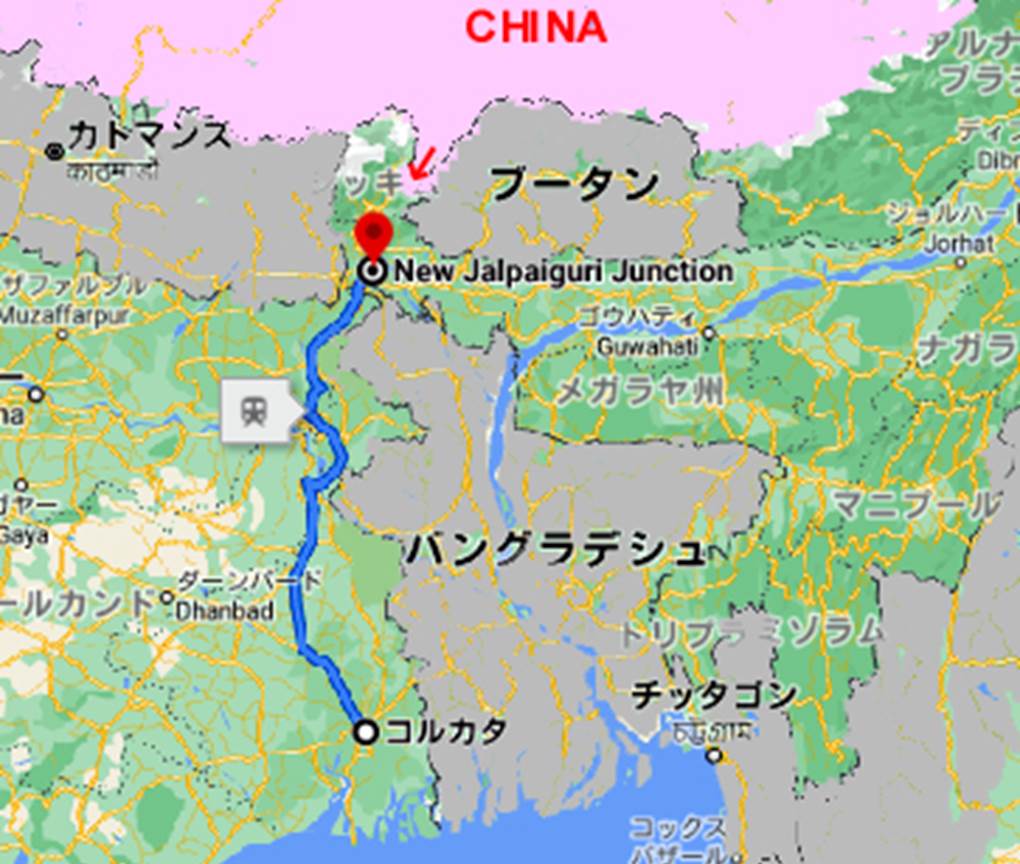
Chumbi Valley.
The region is bordered by the Himalayan mountain range to the north, the Bengal plain to the south and the border with Bangladesh, the Nepalese border to the west and the Bhutanese border to the east, making it a narrow region.
The distance between the Indian territory between Nepal and Bangladesh is only 20 km ! It is only that!
From the viewpoint of national territorial integrity, this corridor can be understood as an extremely delicate and important area for national defence in India.
The territory of China (Tibet) is being cut into the Sikkim side like a wedge.
If the border between here and Bangladesh is blocked, the cul-de-sac Assam region can be cut off from the Indian mainland, making it a strategically sensitive area.
The red arrow indicate the Chumbi Valley.
Pass through the Indian Army training area and checkpoints.
To protect this strategically sensitive area, there are Indian Army military installations along the way.

Photo by author, 2015
Passing through the Indian Army training area and checkpoints in this geopolitically important area.
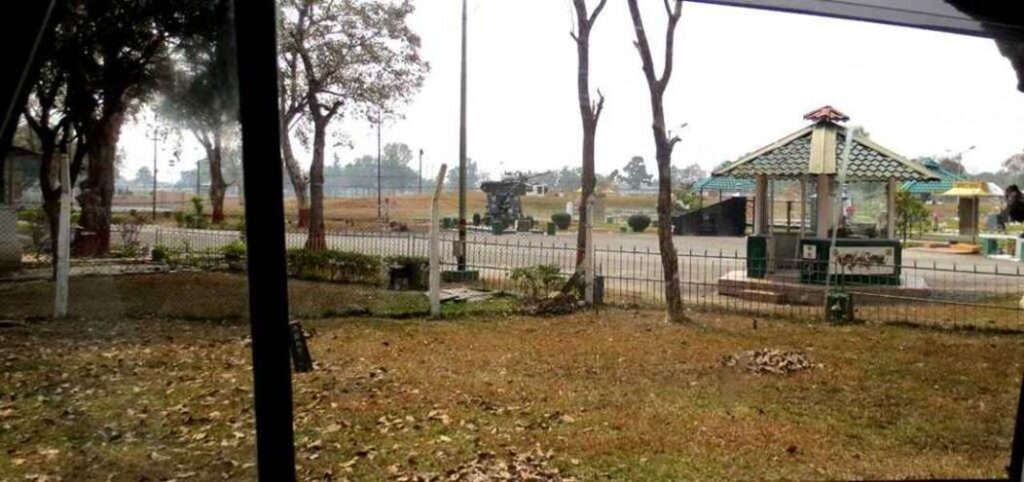
Photo by author, 2015
Darjeeling Himalayan Mountain Railway
World Heritage Site
Mark of the Darjeeling Himalayan Mountain Railway

Photo by author, 2015
The altitude difference is 2100m
The 78-kilometre-long mountain railway connects New Jalpaiguri at an altitude of 100 meters to Darjeeling at an altitude of 2,200 meters.
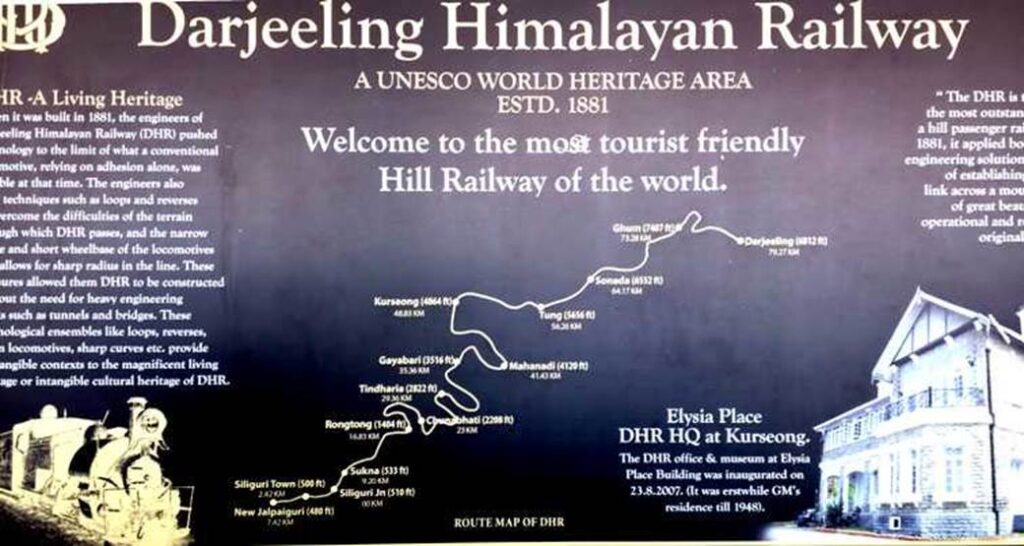
Photo by author, 2015
Climb to Darjeeling in a 4×4 vehicle.
The road is built along the foot of the steep mountain.
There is also a temperature difference of 12 degrees between the Bengal Plains and Darjeeling.

Photo by author, 2015
The road is called the Cart Road and runs parallel to the Darjeeling Himalayan Mountain Railway.

Photo by author, 2015
There is an entrance to the shop on the side of the track
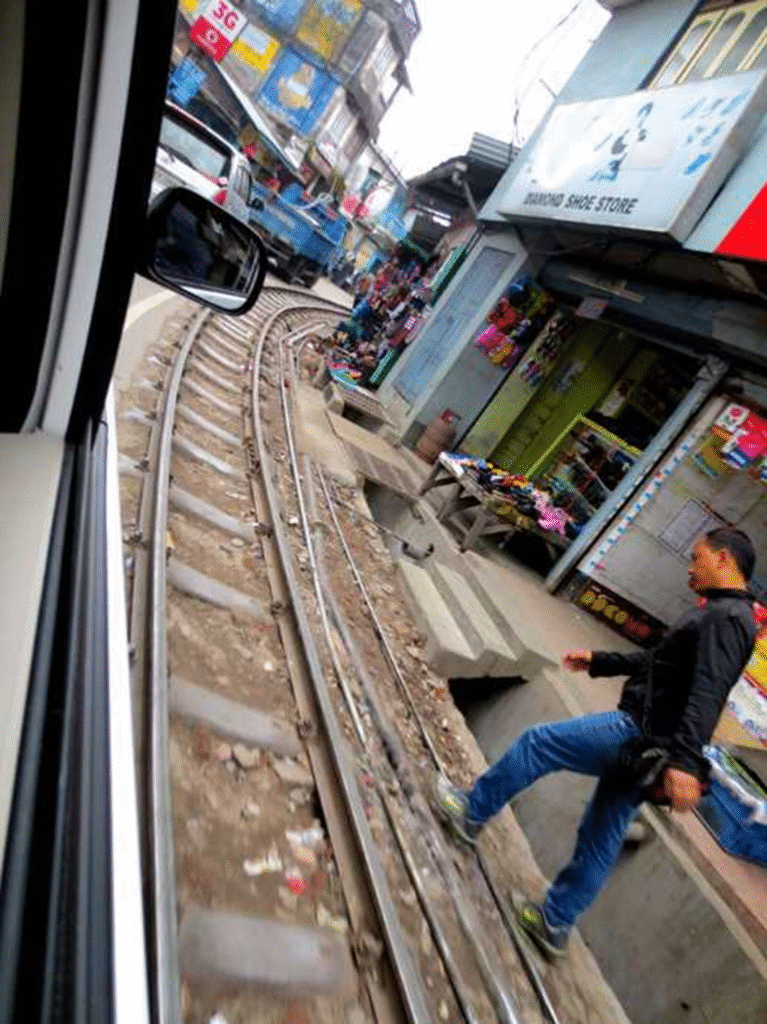
Photo by author, 2015
The entrance and exit of a private house built under the cliff faces directly on the railway tracks.

Photo by author, 2015
As we climb up to an altitude of 1,500m, fog starts to appear around us and the climate changes.
The roads in this section are steep and the climate changes suddenly.
Extreme caution is especially necessary during the rainy season.

Photo by author, 2015
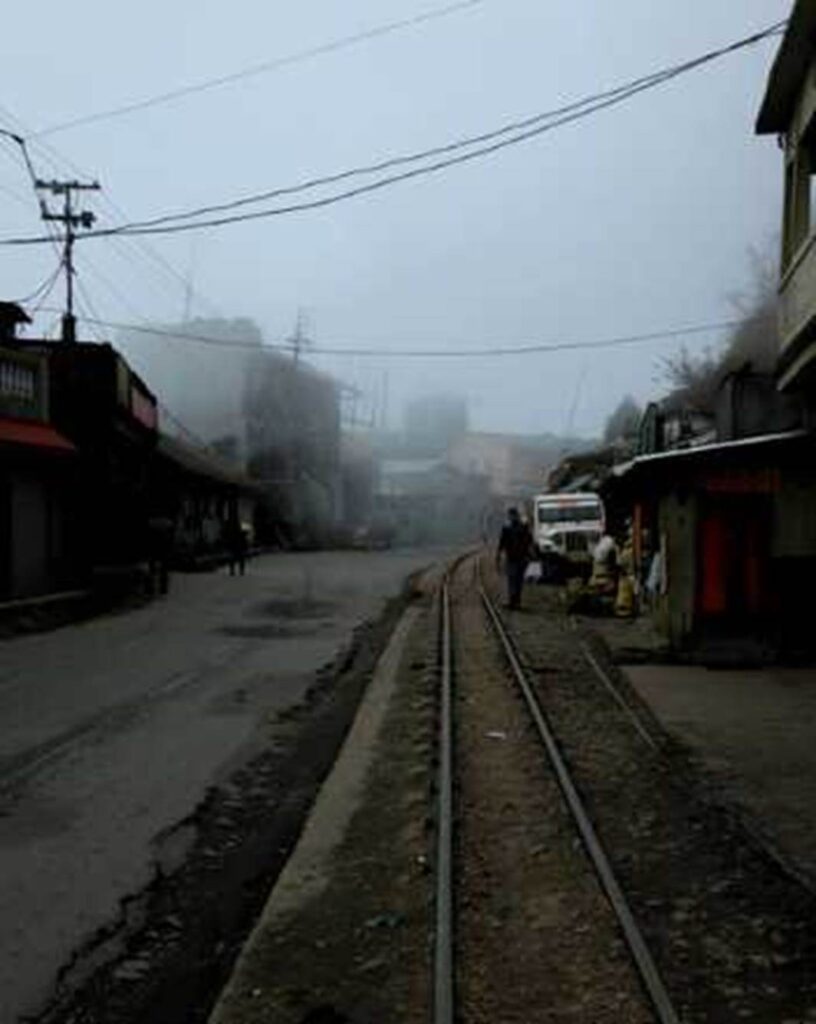
Photo by author, 2015
In the past, the main method was the railroad that was laid to transport tea, but now it has shifted to trucks and other transportation methods.
The only railway that survives now is between Darjeeling and Ghum, where it is used for tourism.
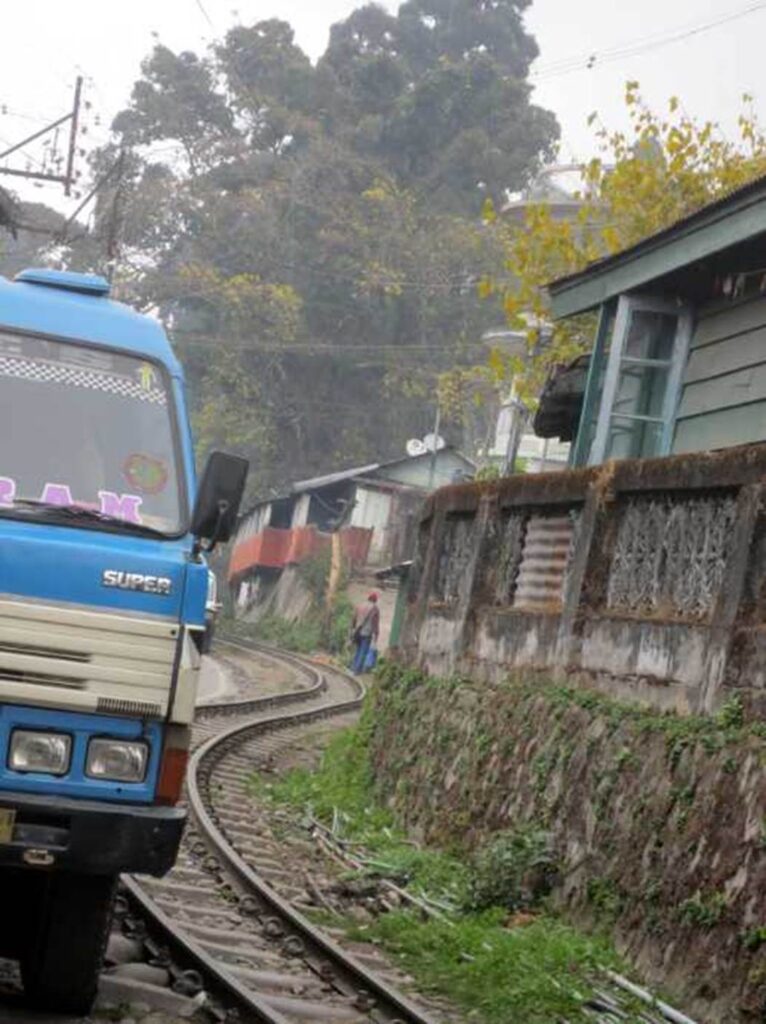
Photo by author, 2015
Darjeeling Railway Station
The railway has 6 loops and 8 switchbacks.
Other than this part, the road and the single-track toy train are literally attached to each other.

Photo by author, 2015
Darjeeling Railway Station Floor Map
It is located on a slight flat land on the mountainside.
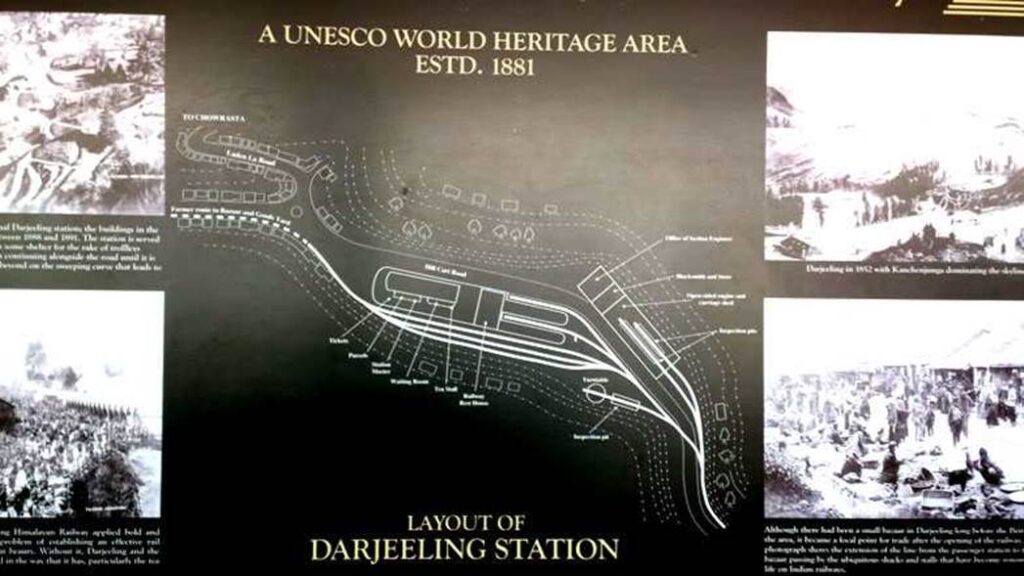
Photo by author, 2015
Inside Darjeeling Railway Station
Both locals and foreign tourists are free to enter the premises.
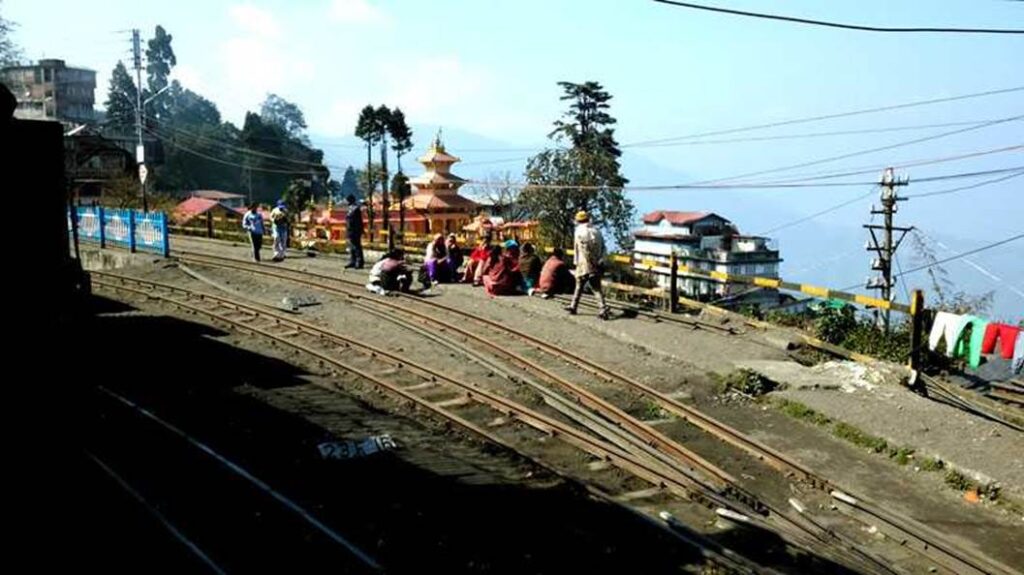
Photo by author, 2015
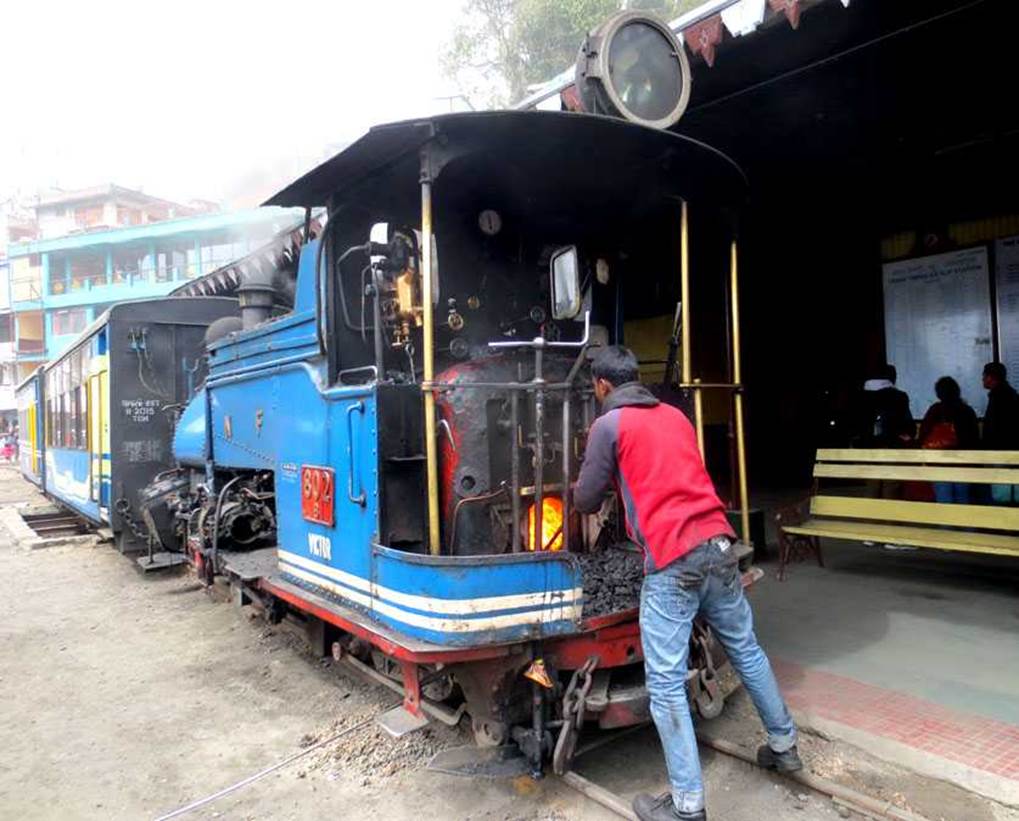
Photo by author, 2015
Local women sitting on the railroad tracks and chatting at the end of the tracks.
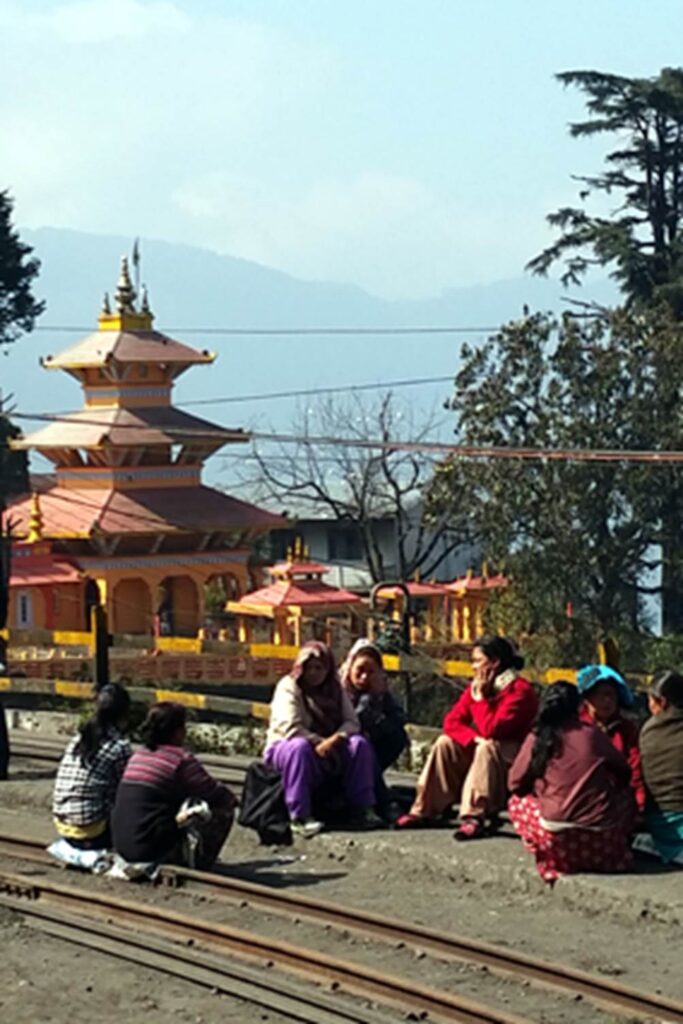
Photo by author, 2015
Toy Train Locomotives
Also known as the Toy Train, its gauge is 610 mm (2 feet narrow-gauge).
It was built between 1879 and 1881.
The locomotive from that time is on display at the Railway Museum in Ghum.

Photo by author, 2015
The opening of the line in 1881 was about 10 years after the opening of the Shinagawa-Yokohama line, which was said to be the first land based steam line in Japan.

Photo of author, 2015
I got off at the station, walk around freely, and get a close look at the toy train.
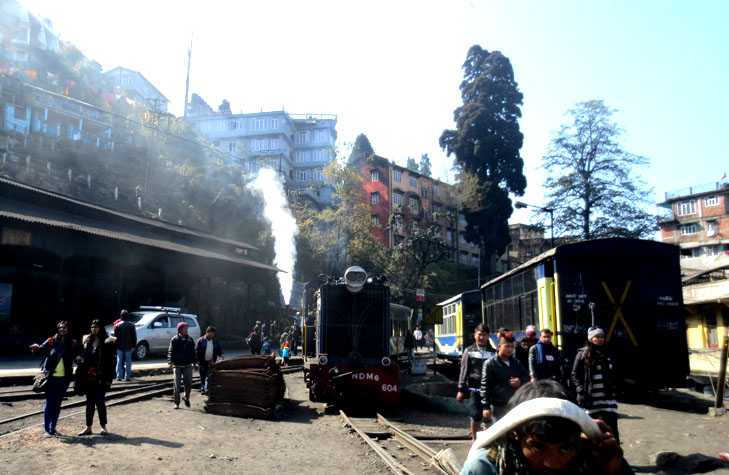
Photo by author, 2015
The speed is about the same as that of a bicycle, so you can easily hop on and off along the way.

Photo by author, 2015
The train climb the slope while giving off steam.
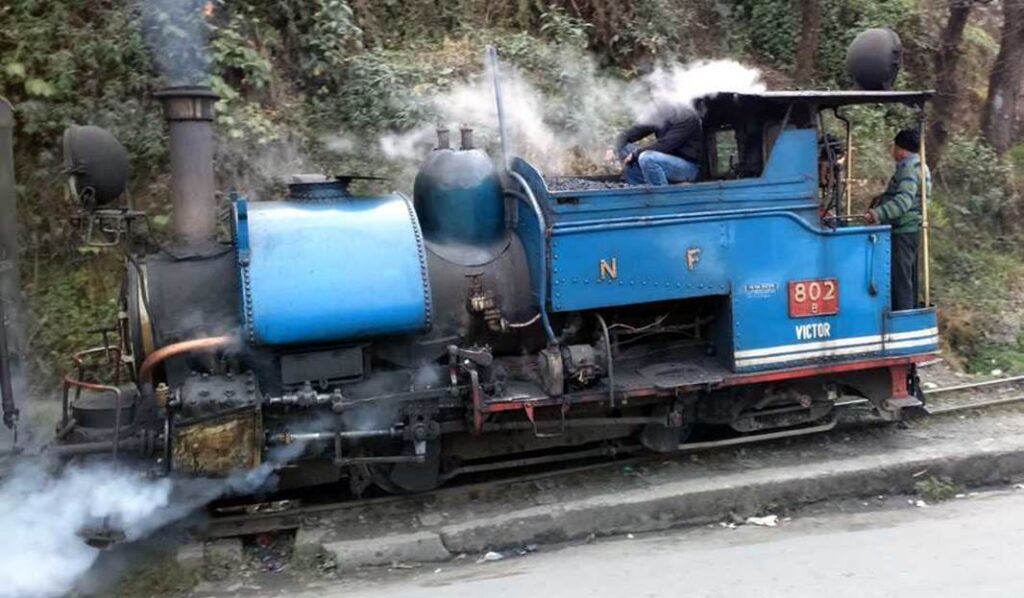
Photo by author, 2015
Today’s toy train is running smoothly with no breakdowns.
The next day, there was a malfunction and the service was canceled, and the guide told me that the group tourists from Russia who had made a reservation could not take the ride.

Photo by author, 2015
Inside the tourist toy train.
Soot from coal combustion enters the car through the open window.
Masks are provided in advance at the departure station.
By the time we got off, the mask was partially blackened with soot.

Photo by author, 2015

Photo of author, 2015
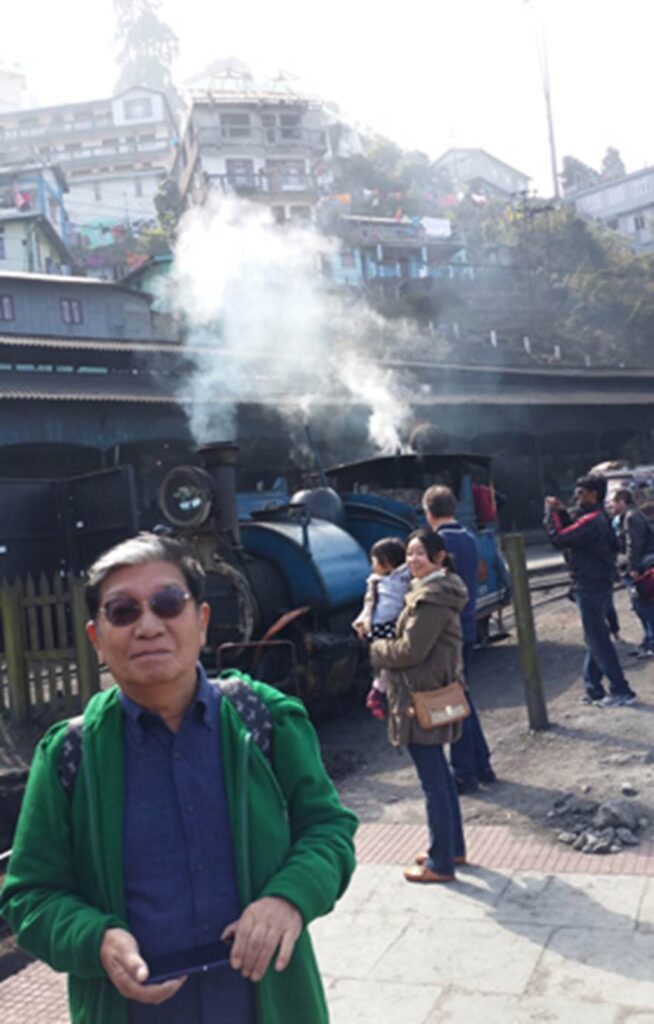
Photo of author, 2015
All photos by author, March 2015