JAP | ENG
4 months Europe trip 1968
#8/9
Finland
Suomi means Finland itself. The language is Suomi. Their ethnic name is Suomi. Japanese people don’t call their country Japan, Nihon. The language is Japanese. The ethnic name is Japan. It is in the same pattern.
Suomi. This language also has its origins in the Uralic language family. While the languages of other European peoples belong to the Indo-European language family, the origin of the language is different.
The Finns were a society based on nature worship, similar to the ancient times of Japan. Before the Suomites established a unified state, they were conquered by the Swedes, Christianized, and incorporated into the European world.
Since then, it has been ruled by Sweden for a long time, and has been strongly influenced by religion and culture. In the 19th century, after being ruled by Russia, it became independent immediately after the collapse of Tsarist Russia.
However, just before World War II, the Soviet Union invaded. Despite the hopeless difference in strength, they fought a good fight and maintained their independence while ceding part of their territory. In World War II, it was affiliated with Nazi Germany, and after the war, it was content with the status of a defeated country like Japan.
The border of the Soviet Union (at that time), which was forced to retreat, was over 1,000 km long from north to south, a so-called iron curtain, which could be said to be very similar to the relationship between Hokkaido and the Northern Territories in Japan.
Helsinki
Helsinki is the northernmost metropolitan area of population of more than 1 million people, the center of various fields such as politics, education, finance, culture, and research in Finland, and the northernmost metropolis in Europe.
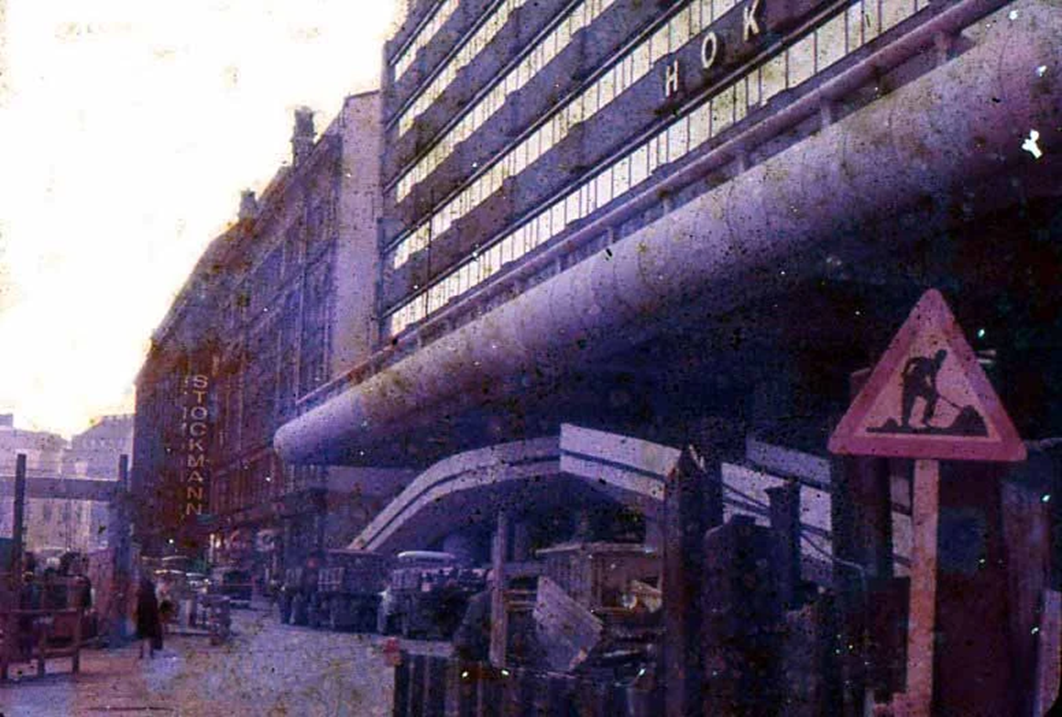
Main street in Helsinki, Photo by author, 1968
On the deck of the ferry connecting Stockholm and Helsinki, I met a young man studying abroad in Germany after graduating from university in Japan, and we hit it off and decided to continue my two-week trip to Finland together. We rented a room together in the apartment of an old lady landlord in Helsinki, and decided to use it as a base for researching Finland.
On the first morning, I woke up in my apartment bedroom as the sun rose, but it was already 10am, and I felt like I had missed out. I went out to the city around 11am and walked around for about four hours, and at 3am the neon lights started to light up on the buildings on the main street. By 3am the whole city was dark, and it was a good atmosphere to have a drink. It was just another day in the northernmost capital of Europe, with only one month left until the winter solstice.
In this climate, the government tried to prevent its citizens from becoming addicted to alcohol by issuing alcohol coupons for purchases at liquor stores, and a system was in place that prevented people from buying more than that amount. However, foreign tourists were an exception.
One night, as I was looking at a sign on the pavement to enter the underground bar of a building in the city, a young blonde woman spoke to me. She simply wanted to have a drink with me, so I decided to practice my Finnish while drinking. I passed the check counter at the entrance without a hitch and entered a lounge with a nice atmosphere.
She then waved to a stranger sitting in the lounge, who turned out to be her boyfriend, and thus I was conveniently used as her free pass to the bar.
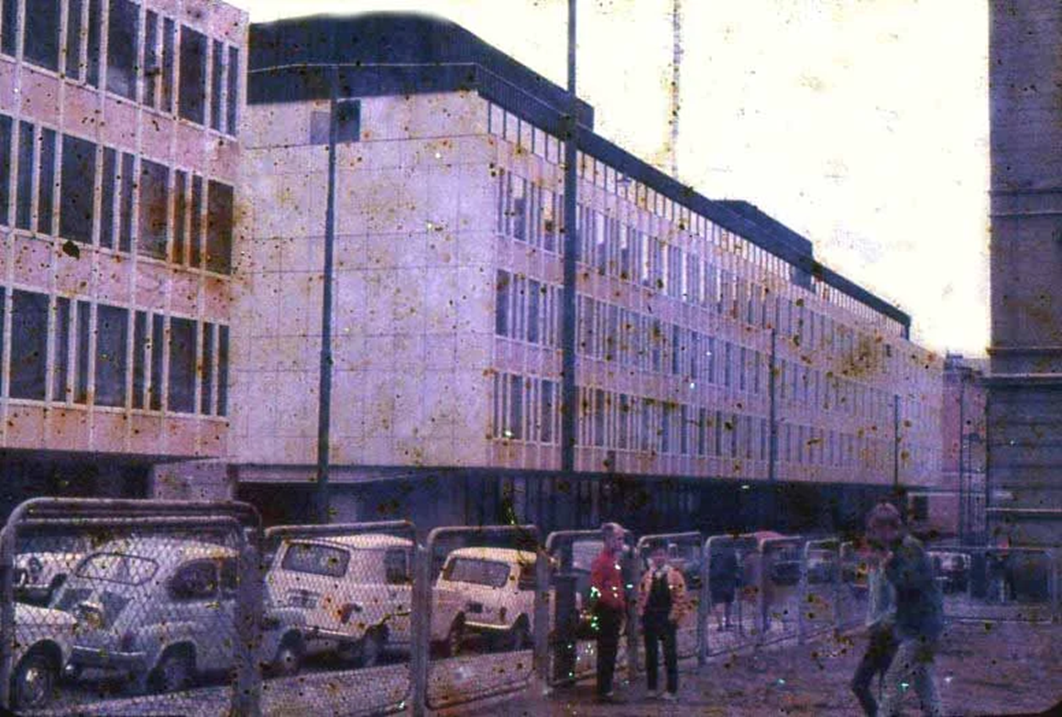
Main street in Helsinki, Photo by author, 1968
Tampere
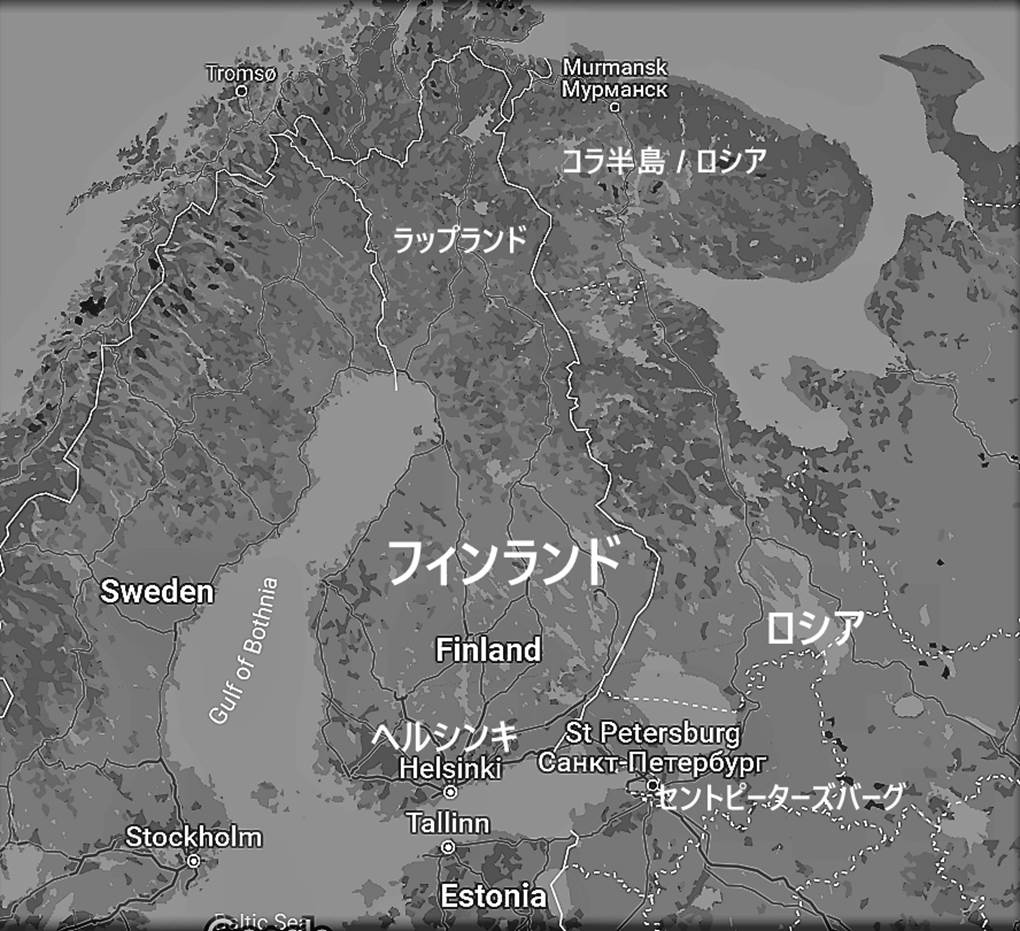
Tampere, 180 km north of Helsinki, is located in the Lake District, a scenic place known as the sauna capital of the world. (See map below)
In the sauna, it is customary to beat oneself and one’s friends with a bundle of birch tree branches called vichta. It has the effect of stimulating blood circulation.
I can’t help but think that these actions are similar to the Shinto rituals, making use of the evergreen tree Sakaki, as well as the actions of “harai”(exorcism) and “misogi” (purification).
After warming up in the sauna, I walk around the city and don’t feel cold even if the outside air is close to 0 degrees. Some people went into the frozen pond and went back to the sauna, repeating the process over and over again.
In Finland, every lake is covered with ice. I tried to take this opportunity to learn skate, but I failed.

Tapiola
The town’s name comes from Tapio, a forest spirit from Finnish mythology.
Tapiola is located in the western part of the capital Helsinki and is one of the main centers of the city of Espoo on the south coast of Finland.
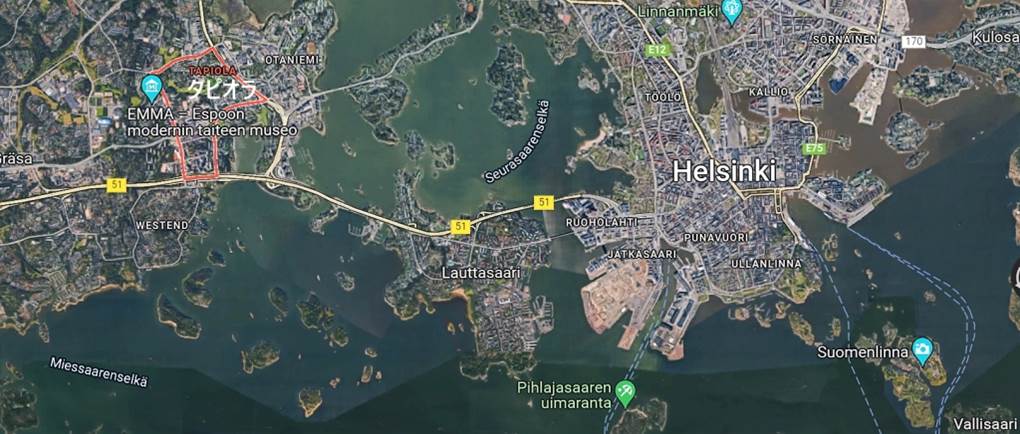
Tapiola Garden City
In the United Kingdom, in 1946, several new towns were planned in the vicinity to combat overcrowding in London, and Milton Keynes was built.
Tapiola was designed as a garden city in the 1950s and 1960s by the Housing Foundation, a private non-profit Finnish company, and became one of the first post-war “new town” projects in continental Europe.
Since then, Tapiola’s architecture and landscaping, which combines urban life with nature, has attracted worldwide attention.
Seinazzaro Village Hall
It was designed by Alvar Aalto. The town hall building consists of the council hall on the east side, offices on the north side, and staff housing on the west side.
In 1949, in a design competition for the village hall, Aalto won the first prize. Construction began in the same year and was completed in 1952.
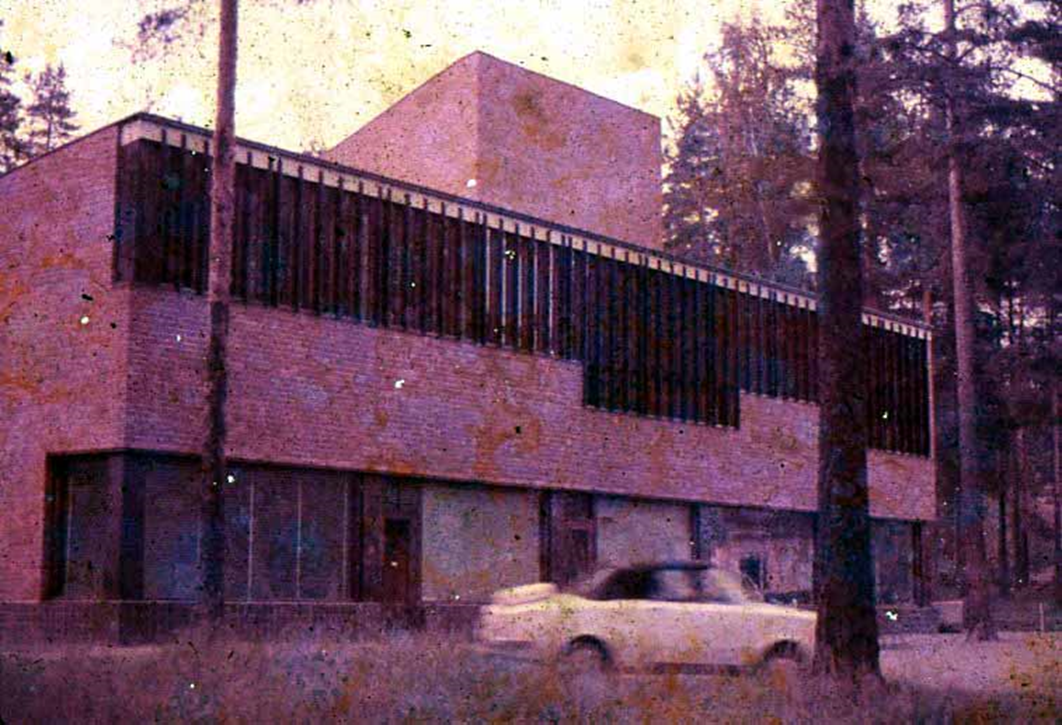
Seinazzaro Village Hall, Photo by author, 1968
Church in the woods
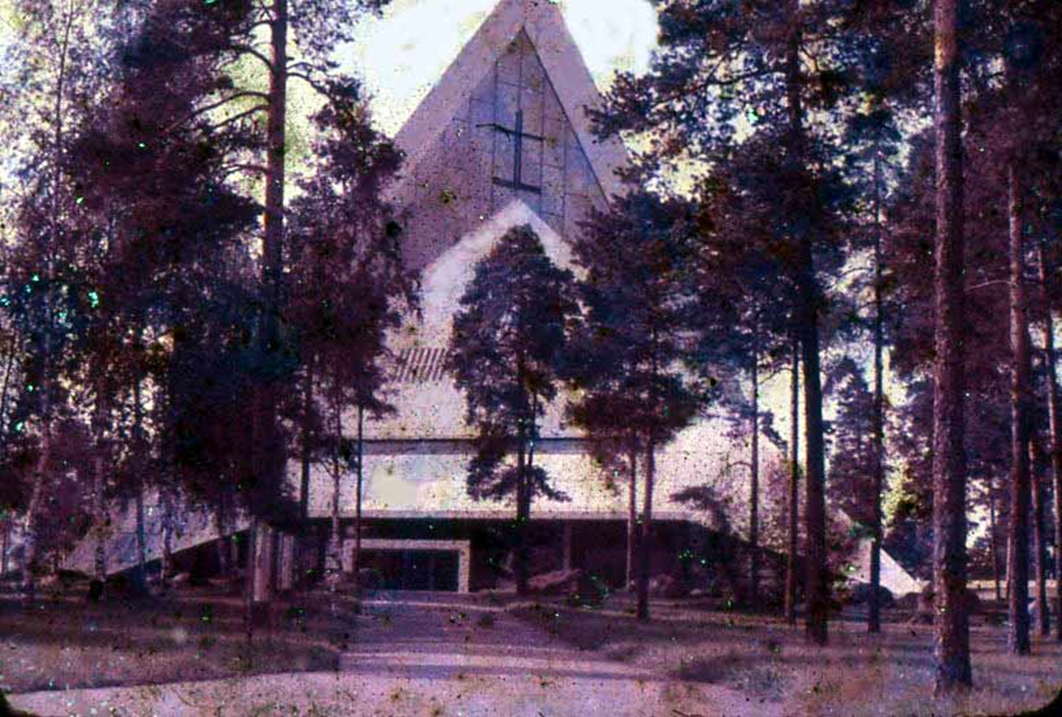
Photo by author, 1968
Architecture that coexists with the forests
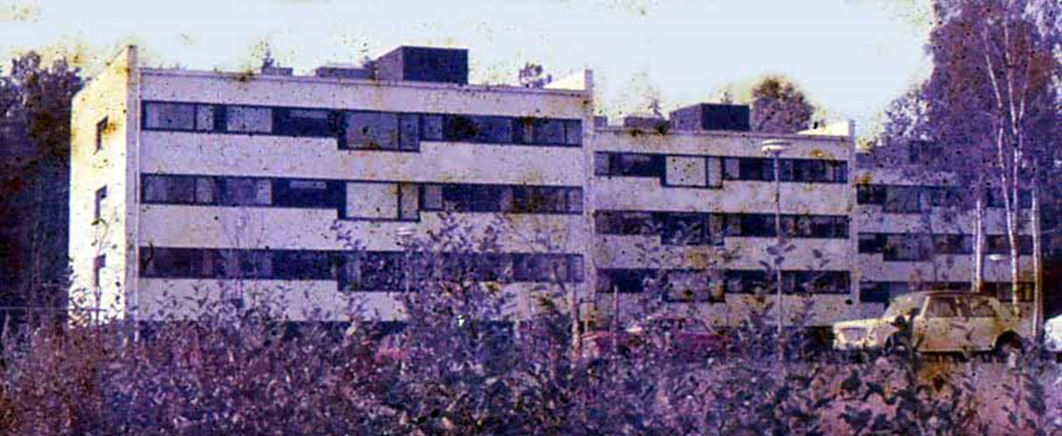
Apartment building Photo by author, 1968
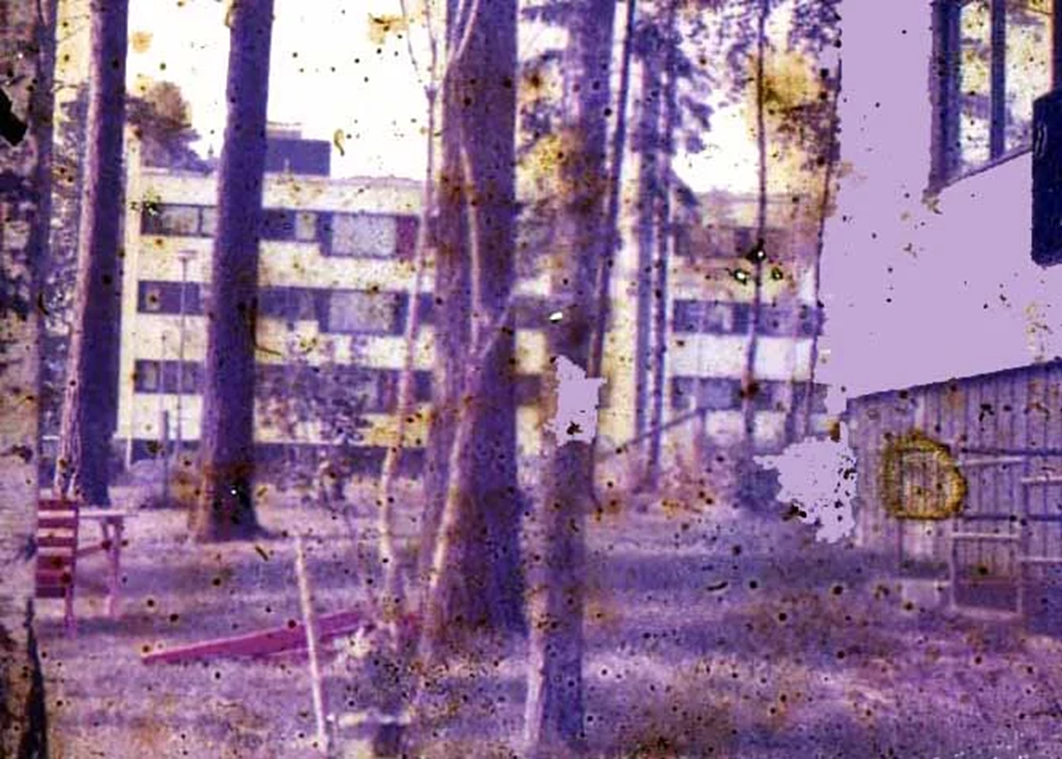
Apartment building Photo by author, 1968
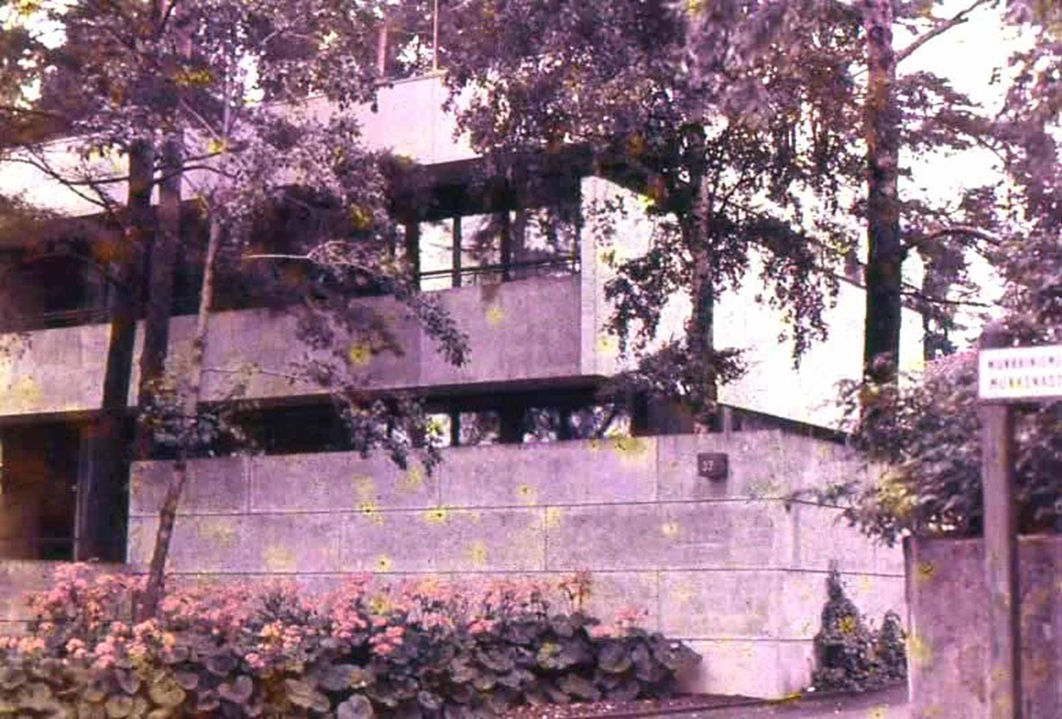
Apartment building Photo by author, 1968

Apartment building Photo by author, 1968
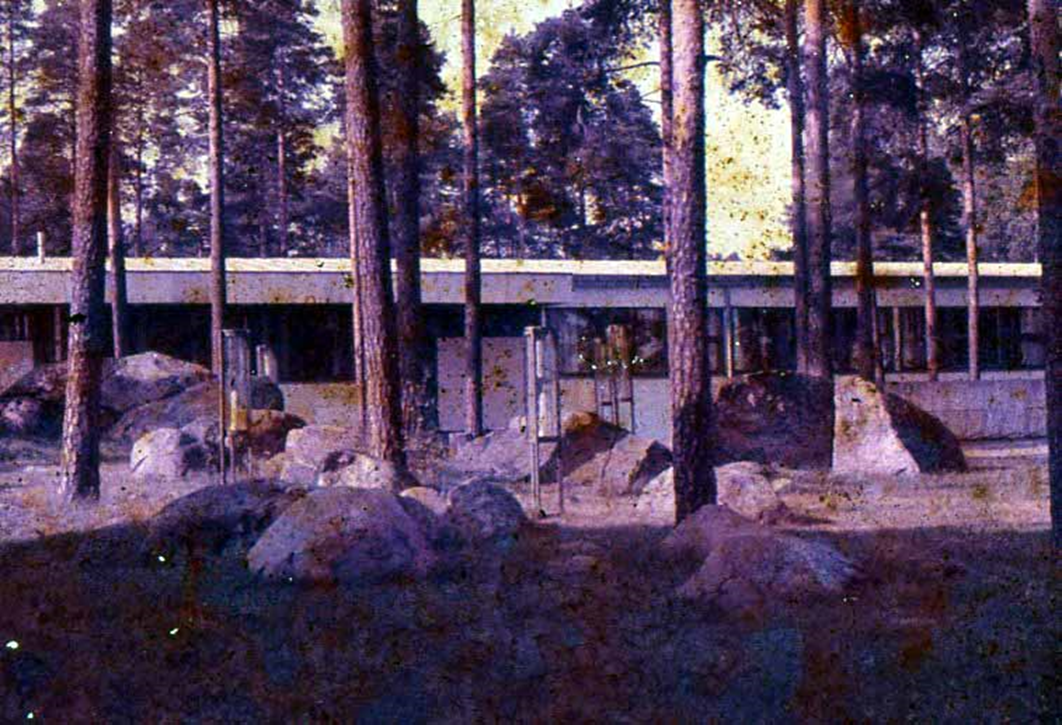
Photo by author, 1968
JYVÄSKYLÄ
The central city of the Finnish lake region. Finland’s third largest city, located 270 km north of Helsinki.
The area is surrounded by countless lakes and marshes that were carved out during the Ice Age. (See map below)
The capital of the Finnish lake region is located at 62 degrees north latitude.
Compared to the latitude on the Pacific side, it is located north of the base of the Kamchatka Peninsula.
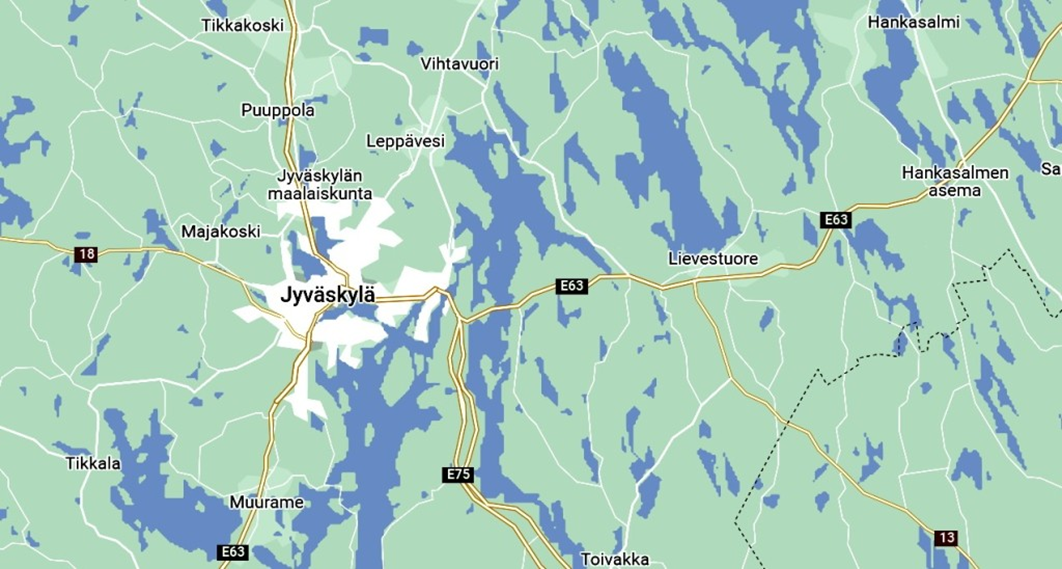
Lakes
JYVÄSKYLÄ UNIVERSITY
Works of ALVAR AALTO
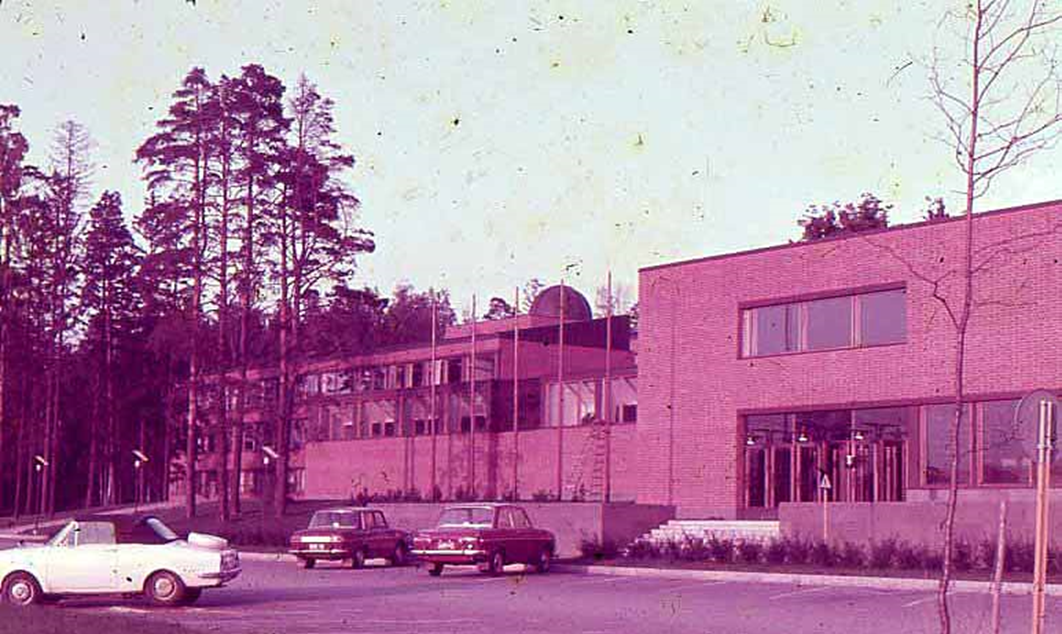
Photo by author, 1968
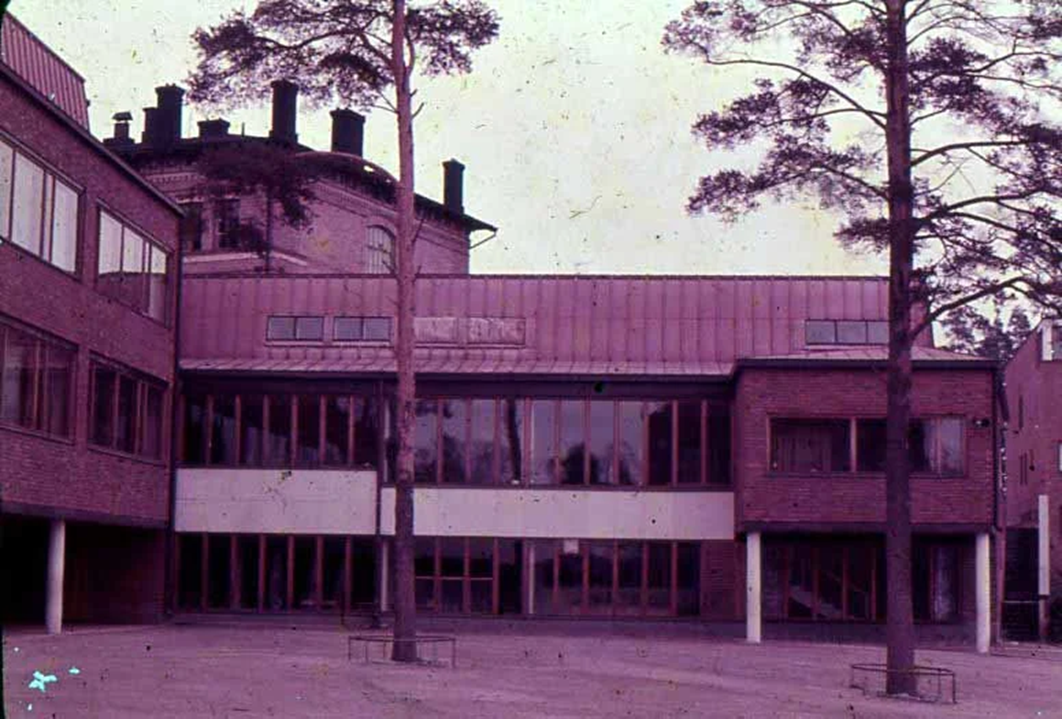
Photo by author, 1968
Lakes surrounded by forests
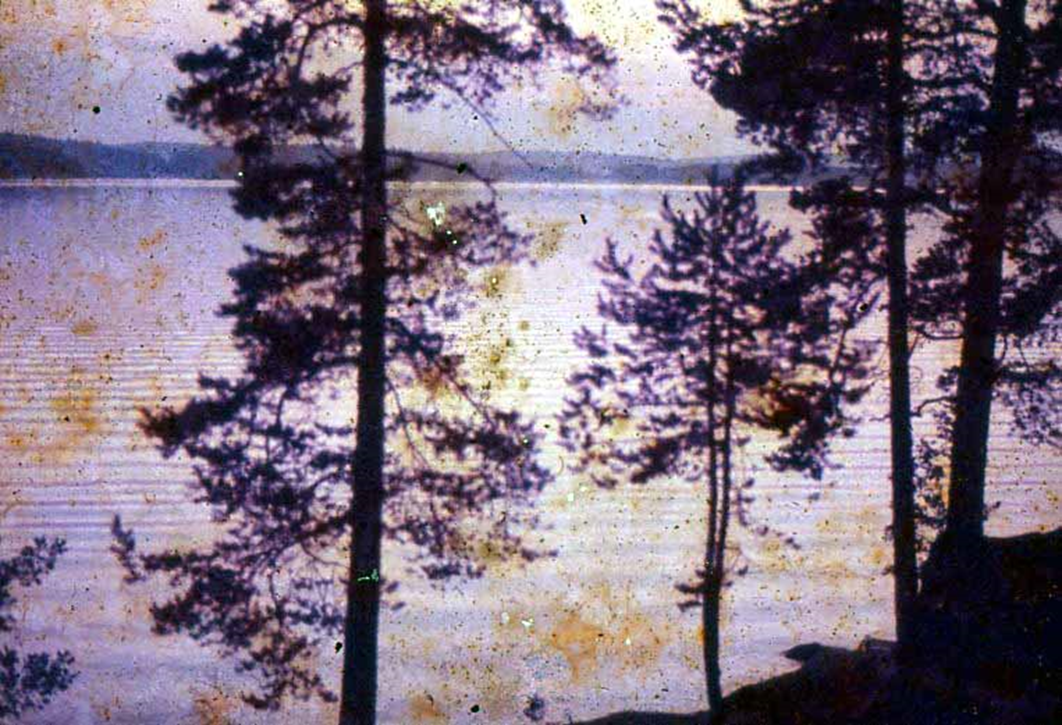
Photo by author, 1968
Houses in the forest
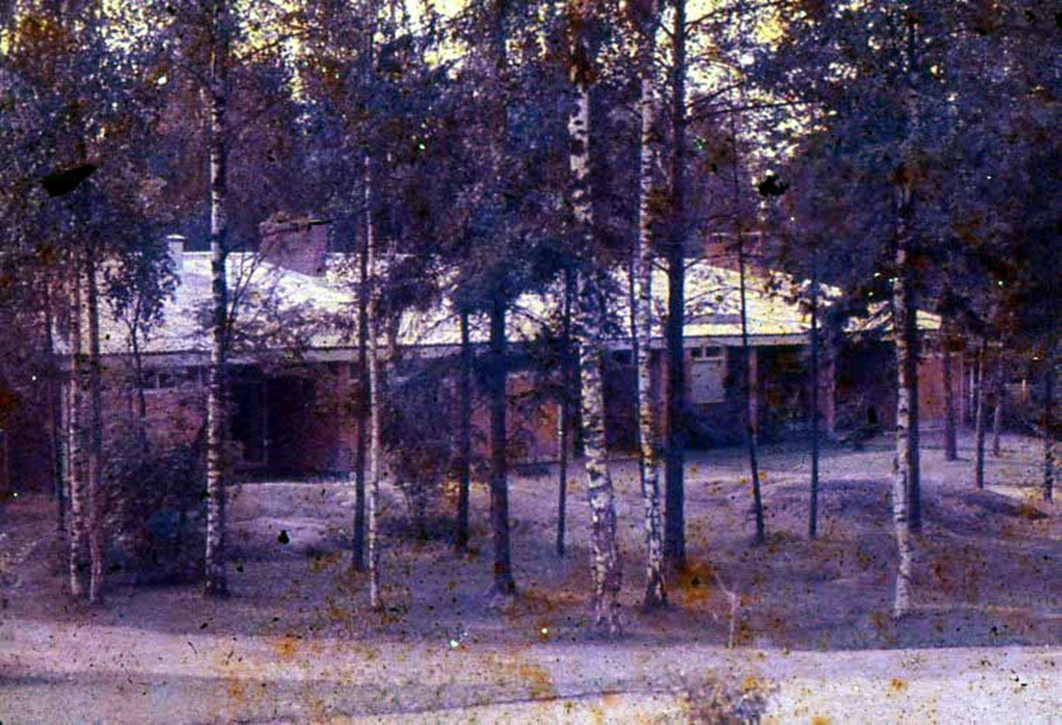
Photo by author, 1968
Houses by the lake
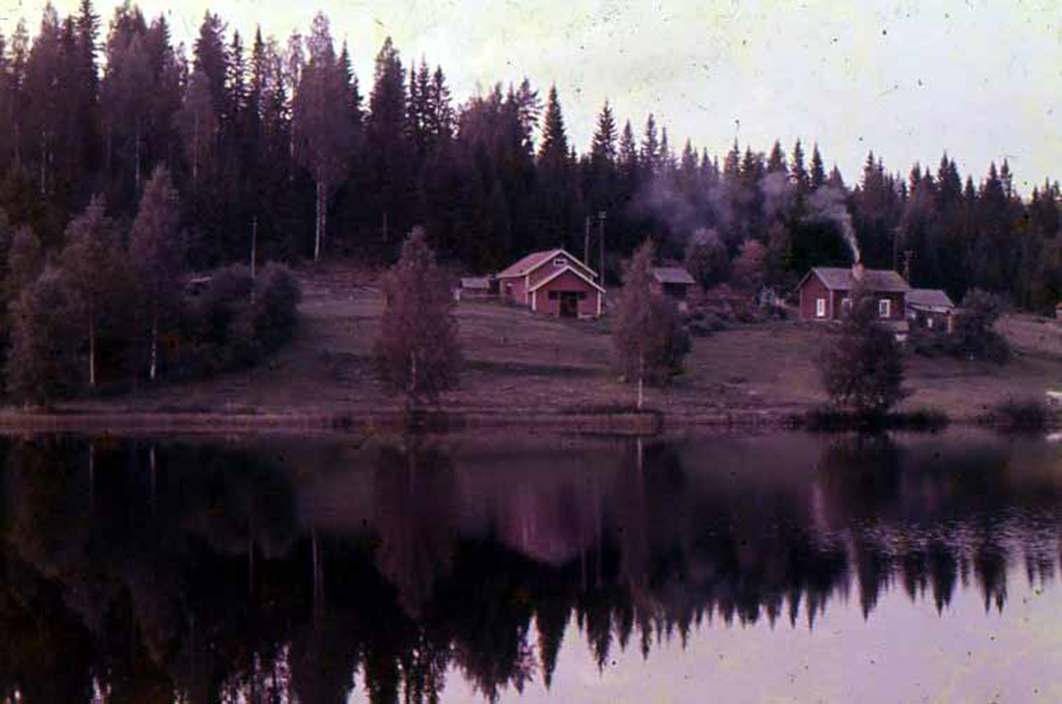
Photo by author, 1968