JAP | ENG
4 months Europe Trip 1968
#4/9
Frequent border crossings on overnight international trains
Travel from August 12 to August 17 and spend 6 nights on the train
Rome> Turin> Milan> Luxembourg> Koblenz> Vienna> Zurich> Belinzona> Paris> Barcelona
August 12
Rome 23;33 departures> Overnight on train (6) > August 13 Turin 8;30, arrival 13;30 departure > Milan
August 13
Turin. Madama Palace, Armament Museum and Emmanuel Monument.
13;30 Departure from Turin. Milan. The Duomo, La Scala, Forzesco Castle.
13 August
22;50 Departure from Milan. > Overnight on the train (7) > August 14 9;56 arrive Luxembourg
August 14
Met with an American couple on the train. Exchange $50. 10;07 Departure from Luxembourg. 12;14 arrive Koblenz. Tour of Bonn, University, Municipal Auditorium. 22;34 Departure from Koblenz.
August 14
Koblenz 22;34 departures> train overnight (8) > 15 August, Vienna 10;00 arrive Vienna
August 15 Vienna.
Rain. I met a professor of graphic design from Japan. I went to visit the university, but couldn’t accomplish my goal because it was a Catholic holiday.
I was treated to a meal at the university cafeteria.
After seeing St. Stephen’s Cathedral, I went to see the Danube River. An interesting suspension bridge.
August 15: Vienna 20;20 departures> overnight train (9)> August 16, 8;30 arrive Zurich
August 16 Zurich.
Museum of Modern Art, Cathedral. 13;10 Departure from Zurich. 15;50 Departure from Bellinzona. 18;45 Departure from Locarno. 19;20 departure from Belinzona.
August 16 Bellinzona 19;20 departures> overnight on the train (10) >
August 17 8;00 arrive Paris
August 17 Louvre Museum.
August 17, Paris 20;50 departures> overnight on train (11)> 18 August, 14;00 arrive Barcelona
It was a long journey from Paris to Barcelona in 17 hours and 10 minutes.
Barcelona
August 18
Barcelona Sagrada Familia, Plaça de Catalunya, Santa Maria, Columbus Tower. Wine and seafood.
Sagrada Familia, World Heritage Site
I went to see the Sagrada Familia, a cathedral under construction by Antonio Gaudí, one of Spain’s world-renowned architects.
The place was located in an ordinary corner of the city, which was laid out in a grid pattern.
When observing the details of the front of the building, it is clear that this cathedral is distinct from existing structures, and rather than being inorganic in design, it exudes an almost organic look and asserts this.
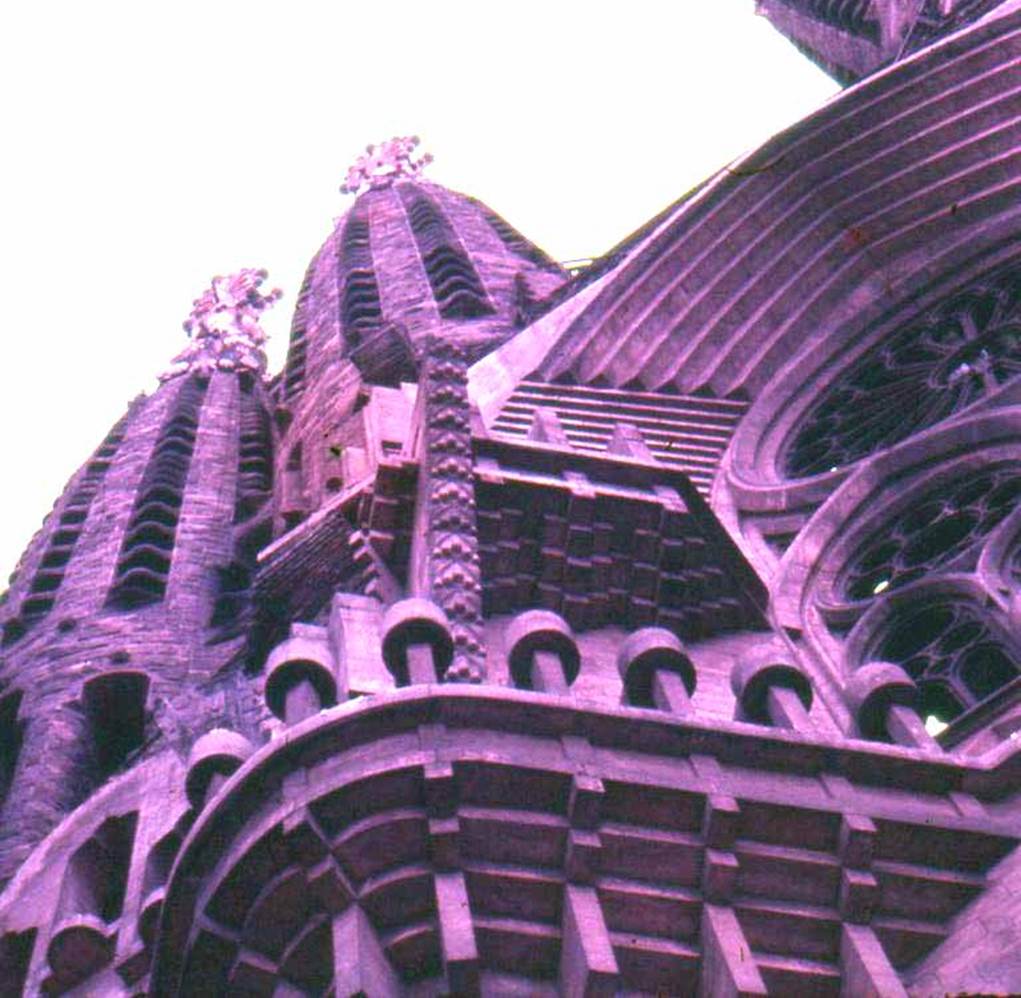
Sagrada Familia under construction,
Photo by author, 18 August 1968
Can this creation be called architecture? Or can it be called a sculpture?
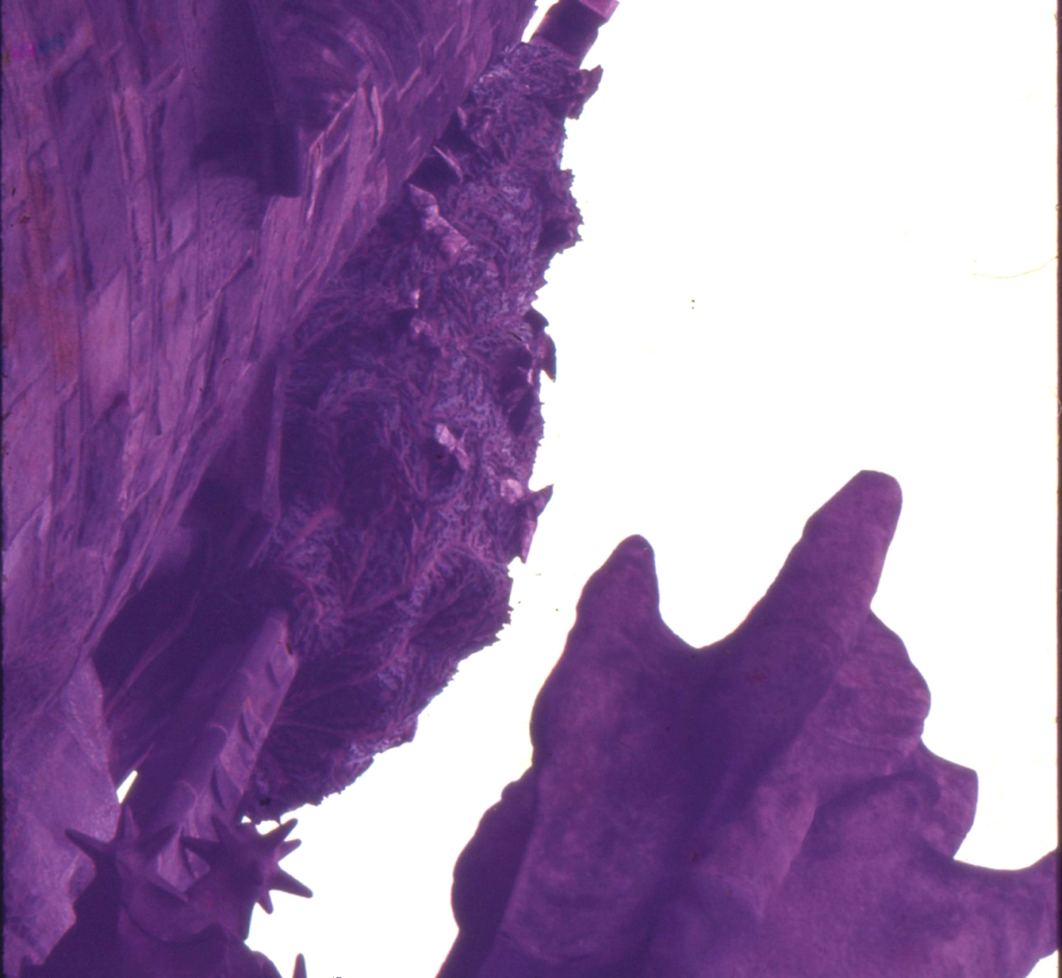
Sagrada Familia under construction,
Photo by author, 18 August 1968
Sailing ship Santa Maria
I went to the port area of Barcelona. The Santa Maria, the sailing ship used by Christopher Columbus on his first transatlantic voyage in 1942, was docked.
Long before mass tourism began, Barcelona was quiet and you could enter any place without queuing up.
The deck of this historically important ship is now a playground for children.
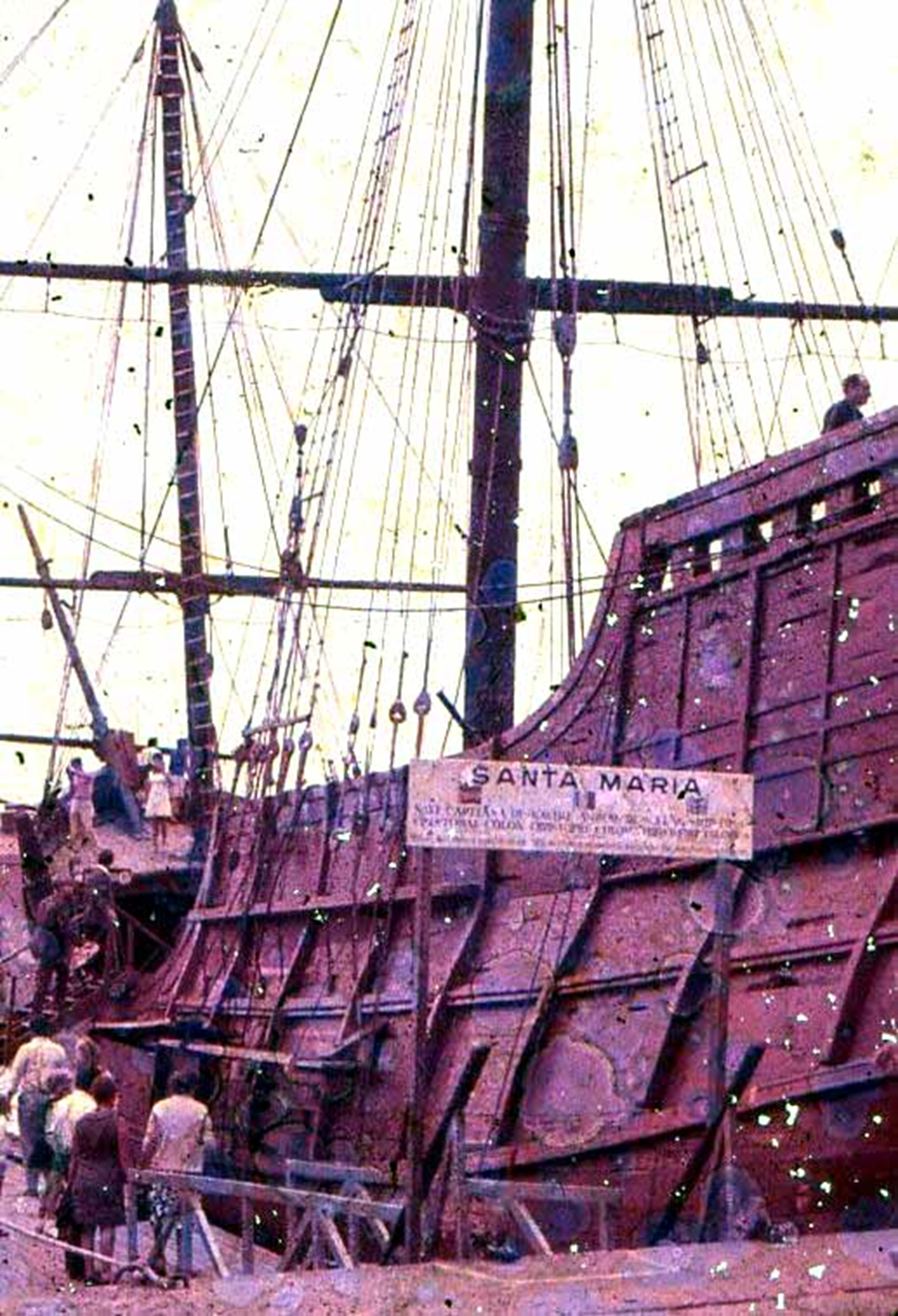
Sailing ship Santa Maria,
Photo by author, 18 August 1968
August 18 Barcelona 20;15 departures > train overnight (12) > 19 August 7:50 arrive Valencia
August 19 Valencia.
Cathedrals, seafood markets and a soothing harbor. Meet students from Japan
August 19 Valencia 20;00 departing > train overnight (13) > August 20 10;00 arrive Cordoba
Córdoba
August 20 in Córdoba.
The Cathedral, the Ponte Romano, a dazzling old town with white walls.
Ponte Romano
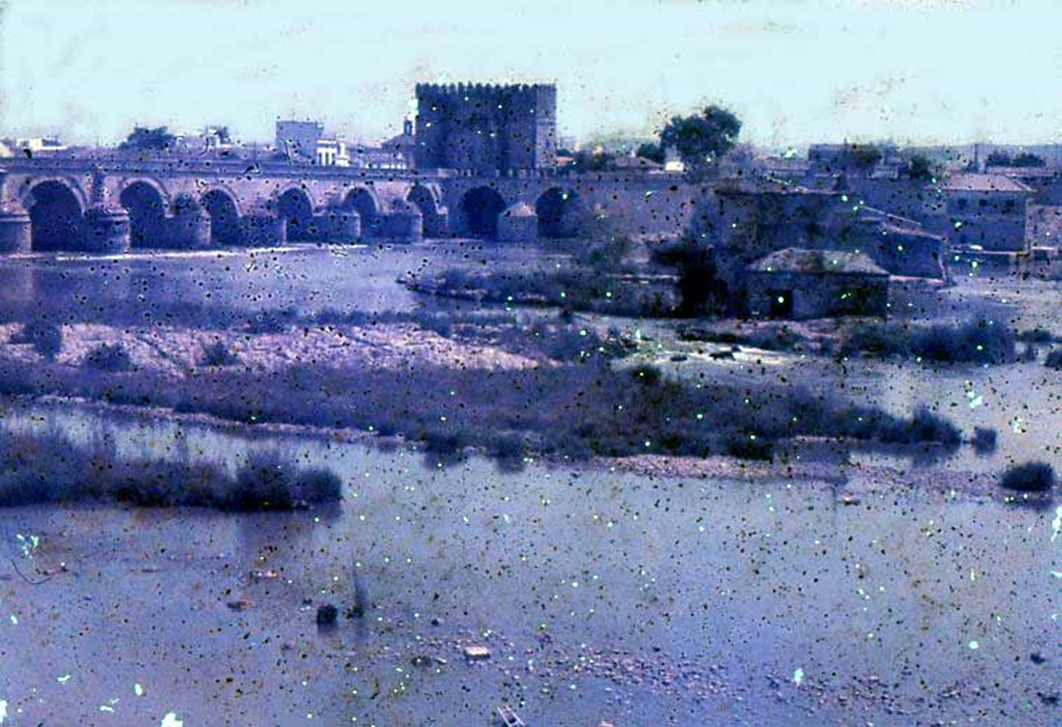
Córdoba Ponte Romano
Photo by author, 20 August, 1968
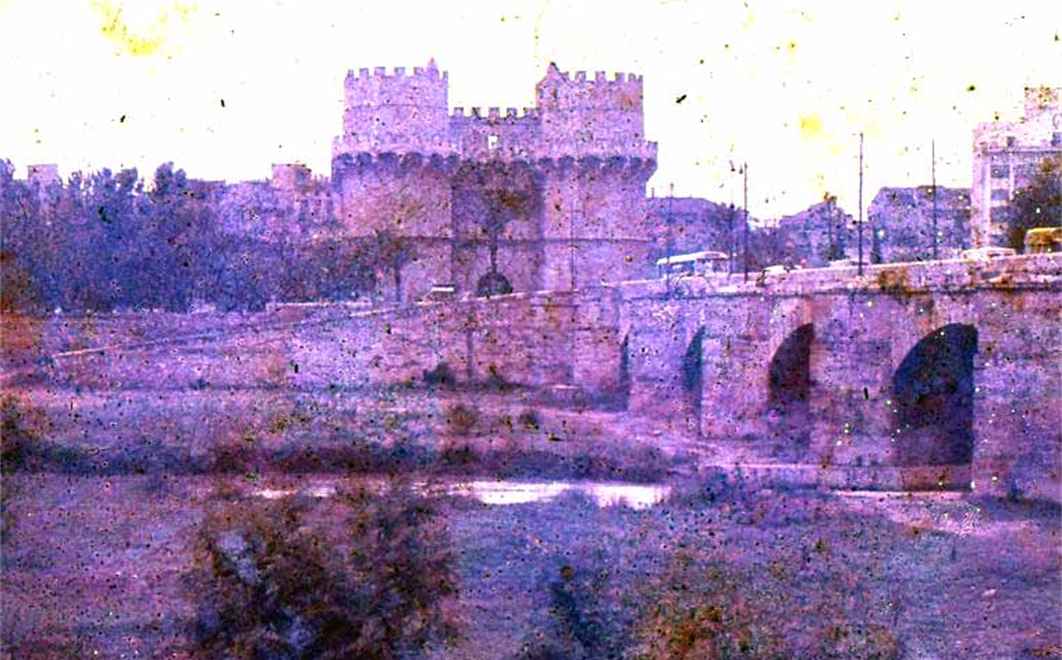
Córdoba Ponte Romano
Photo by author, 20 August, 1968
Mezquita World Heritage Site
The mosque began construction in 784. It continued to expand until the 10th century, and after the Reconquista it was reused as a Christian cathedral.
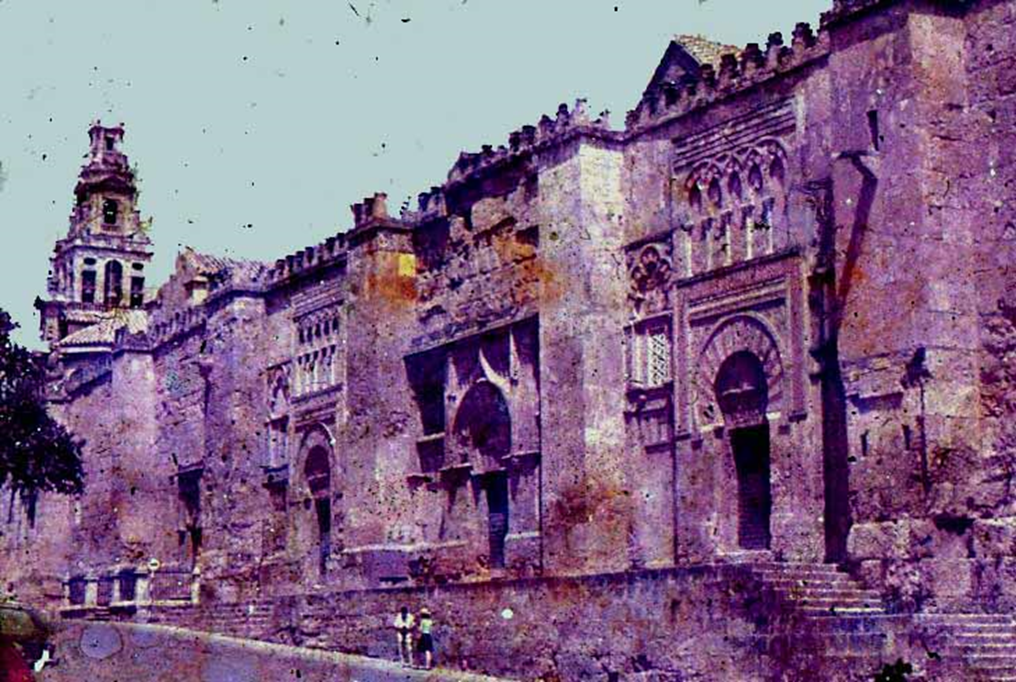
Cocordoba Mezquita, Photo by author, 20 August, 1968
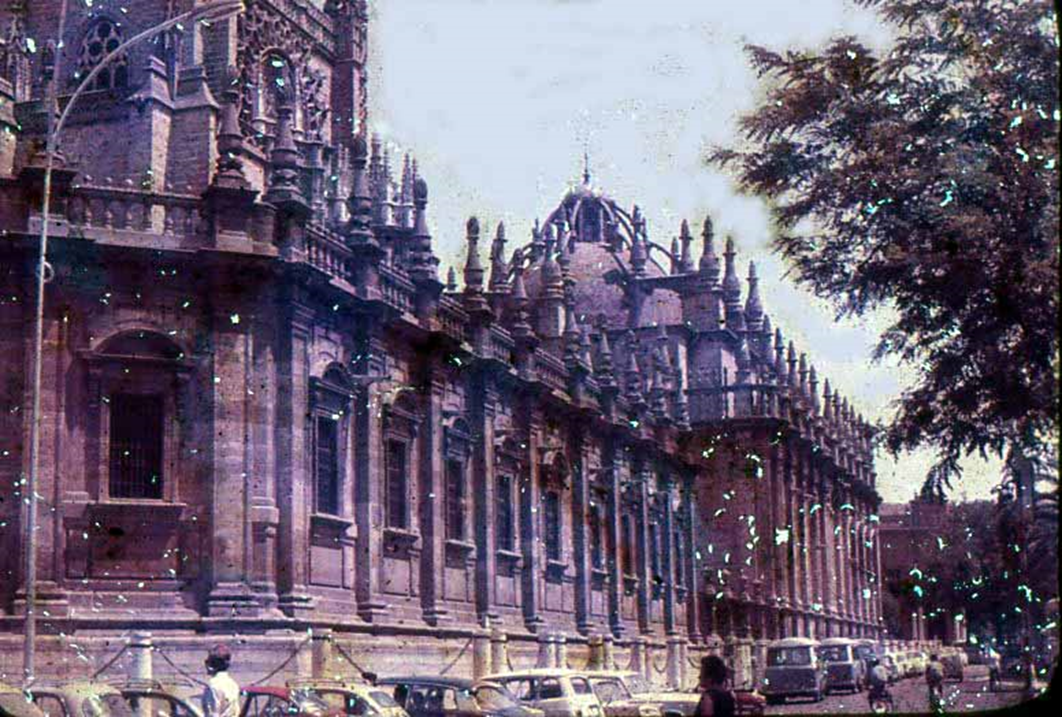
Cocordoba Mezquita, Photo by author, 20 August, 1968
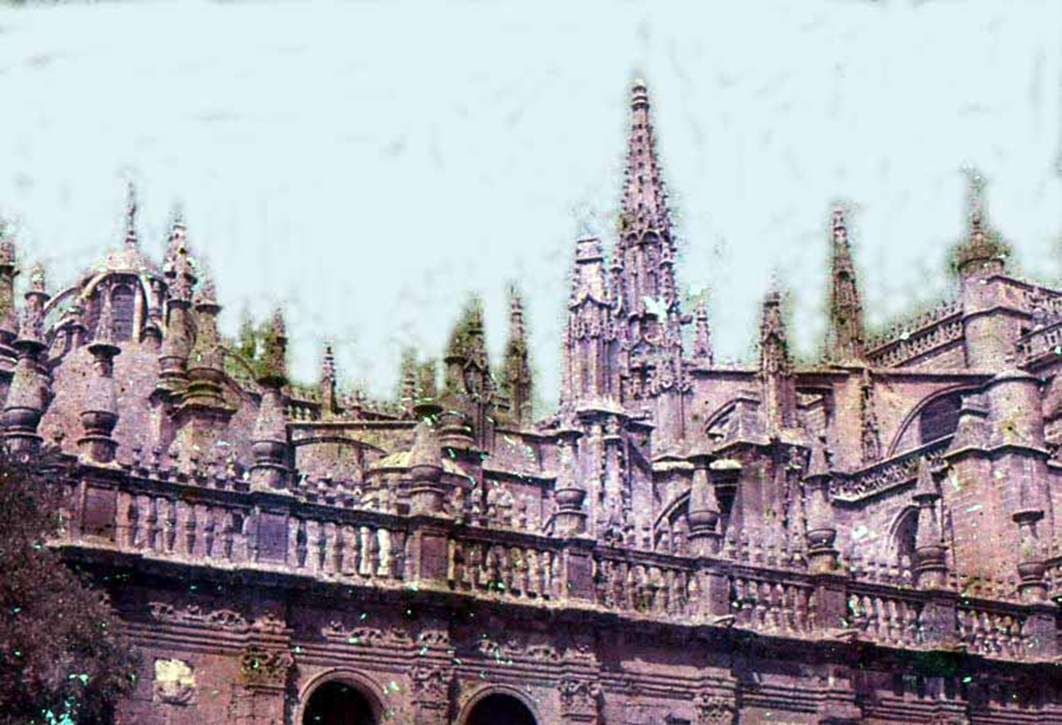
Cocordoba Mezquita, Photo by author, 20 August, 1968
Seville
August 20
17;00 arrive Seville. 1 night stay. Cathedral and Girarda’s Tower. Torre de Oro.
August 21
Seville 14;29 depart. 17;35 arrive Cardes. Toured the city. Cardes 21;25 depart.
Seville is the capital of Andalusia in southern Spain.
A port city located about 80 km from the mouth of the Guadalquivir River.
The commercial and industrial center of the Andalusian plain.
It became an important commercial city during the Islamic rule period in 712 and was the capital of the Muwahid dynasty in the 12th century.
It was occupied by the King of Castile in 1248 and prospered in the New World trade from the end of the 15th century to the 16th century.
Giralda Tower World Heritage Site
The 12th century Giralda Tower was once a minaret for a mosque, but is now the bell tower of the cathedral.
The architectural style of the Giralda Tower is unmistakably Islamic, and it is still used as a bell tower for Christian cathedrals today
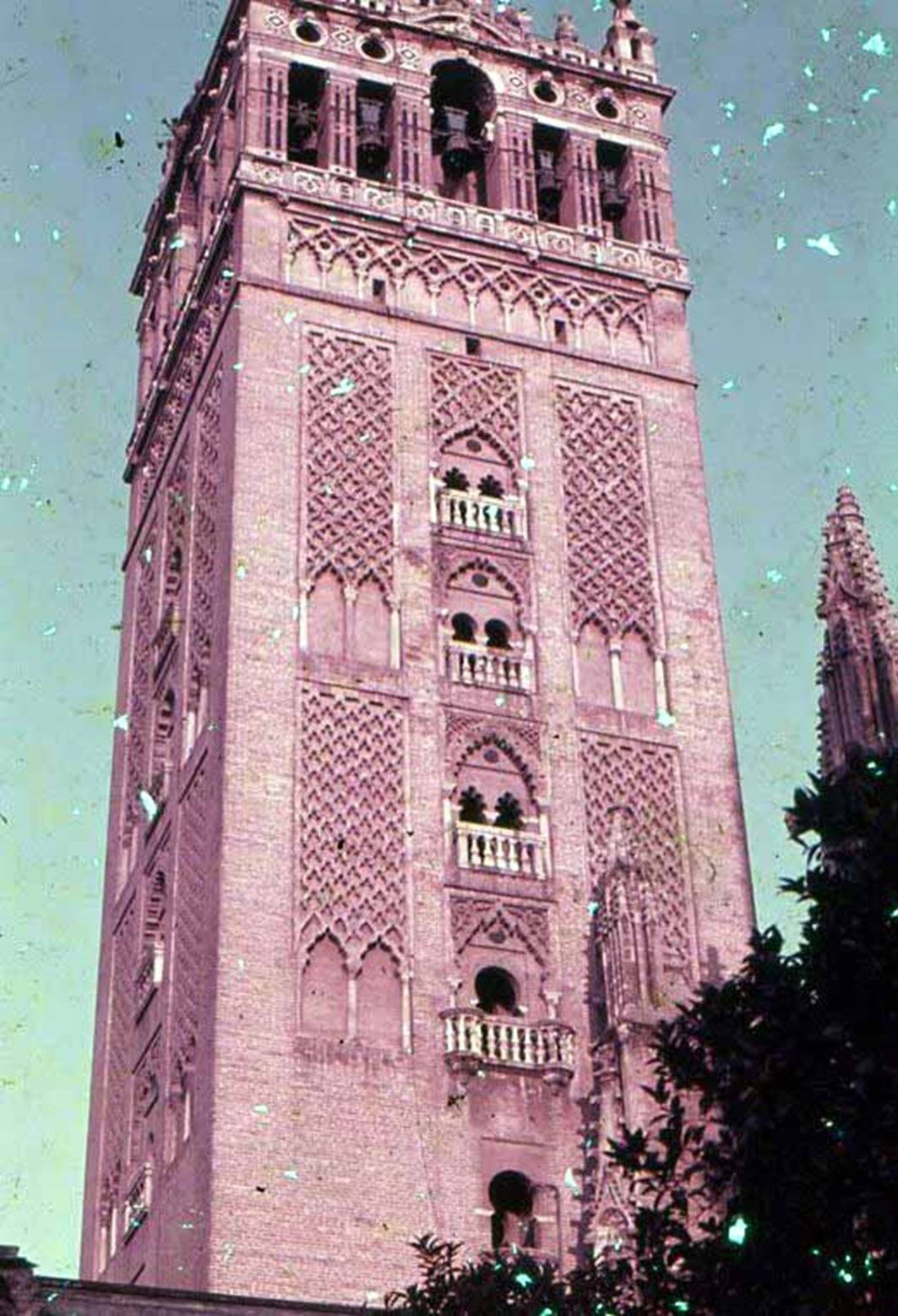
Tower of Girarda, Seville. Photo by author, 21 August 1968
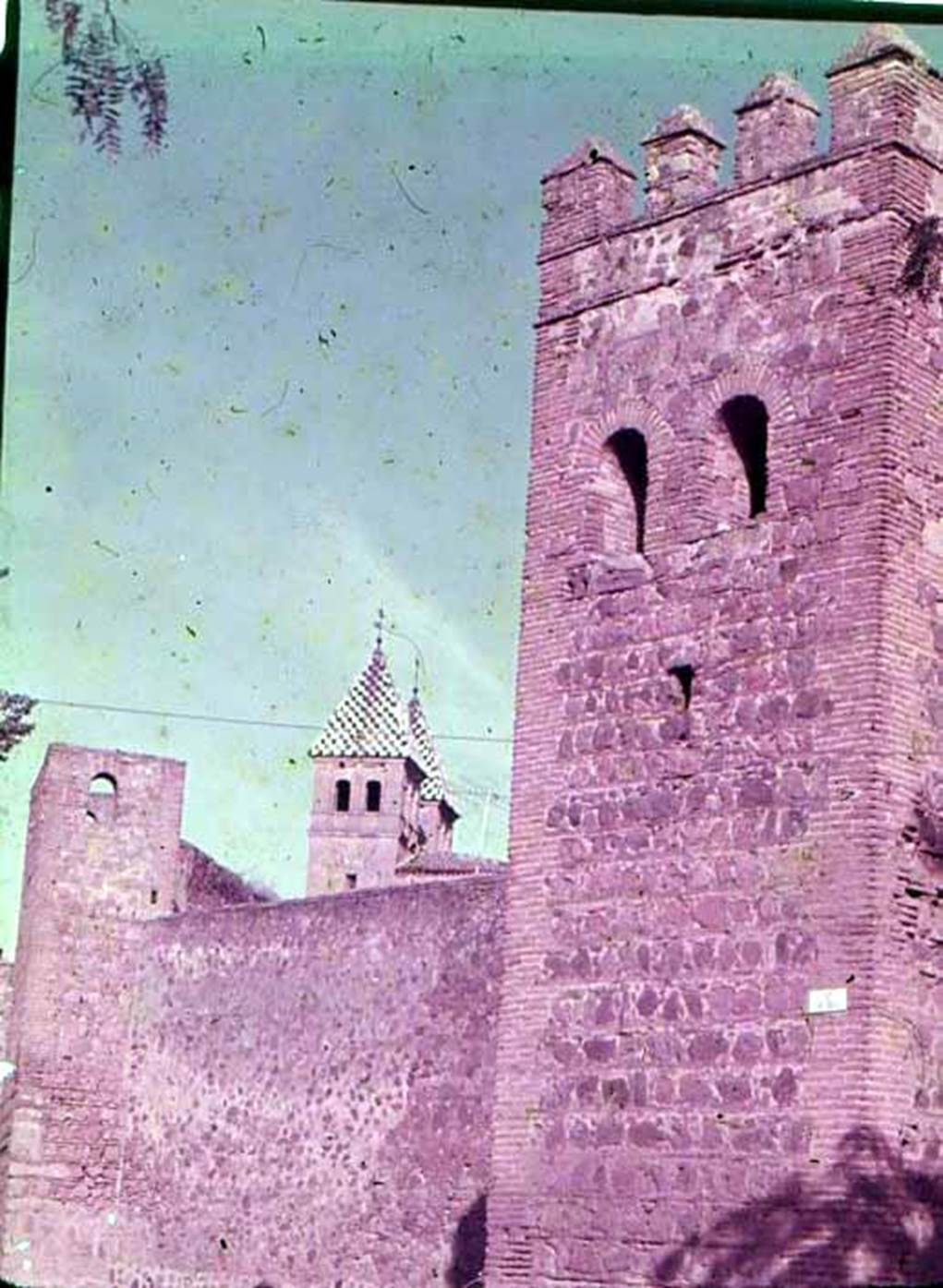
Photo by author, 21 August 1968
Torre del Oro
A 12-sided watchtower on the left bank of the Guadalquivir River in Seville.
It was used to monitor ships heading towards the port on the river.
World Heritage Site
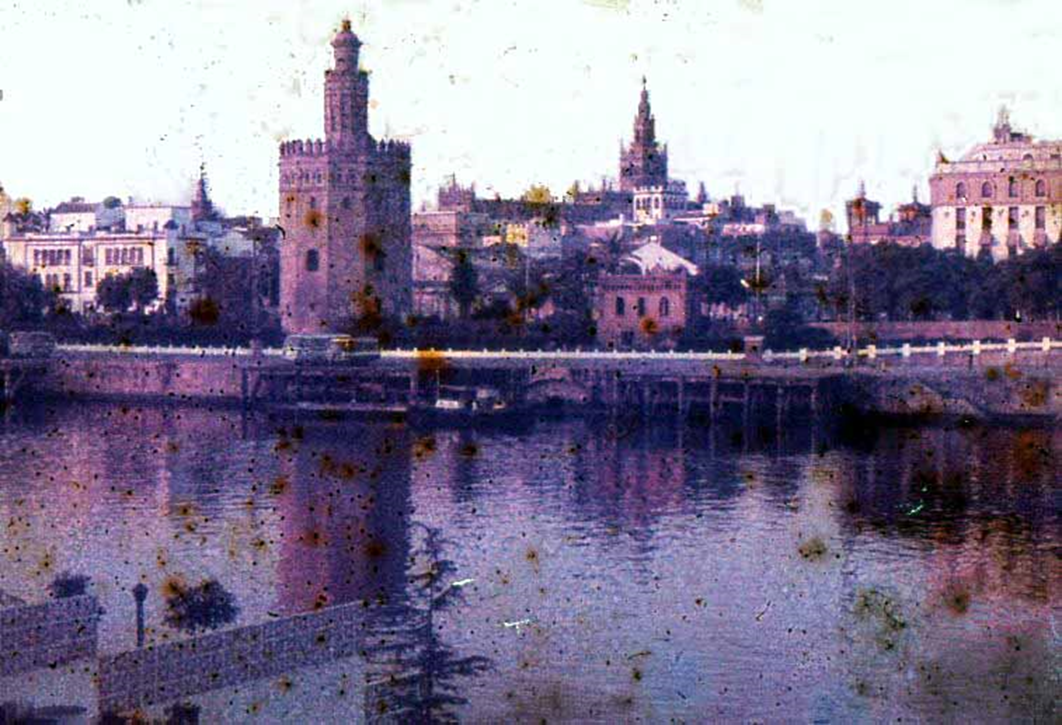
Guadalquivir River Watchtower,
Photo by author, 21 August 1968
August 21 Cardes 21;25 departures > train overnight (14) > 22 August 9;00 arrive Madrid
On August 22nd, I took a train leaving Madrid at 12:30 and arriving in Toledo at 14:00
Toledo
The Cathedral, the Greco House, the Alcade.
I left Toledo by train at 18:50. I chatted with the wife of an officer, who is stationed in Greece with the US Navy, on the train. I arrived in Madrid at 21:00.
History of Toledo
Natural fortified city during the Roman Empire >> Capital of the Visigothic kingdom in the 6th century >> Under the rule of the Islamic Umayyad dynasty in the 8th-11th centuries >> Capital of the Christian Kingdom of Castile in the Reconquista >> to the present day
Due to the historical background described above, a unique culture has developed in which Christianity, Islam, and Judaism coexist.
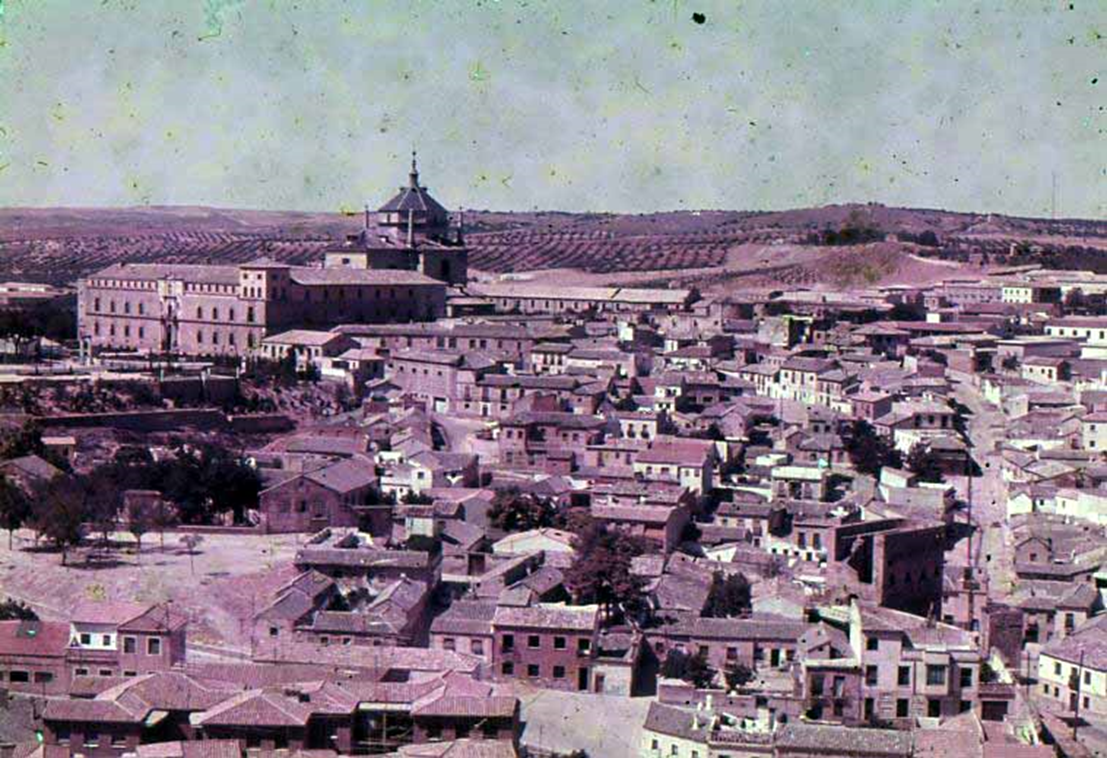
Distant view of Toledo photo by author,22 August, 1968
Gates of the fortified city of Toledo
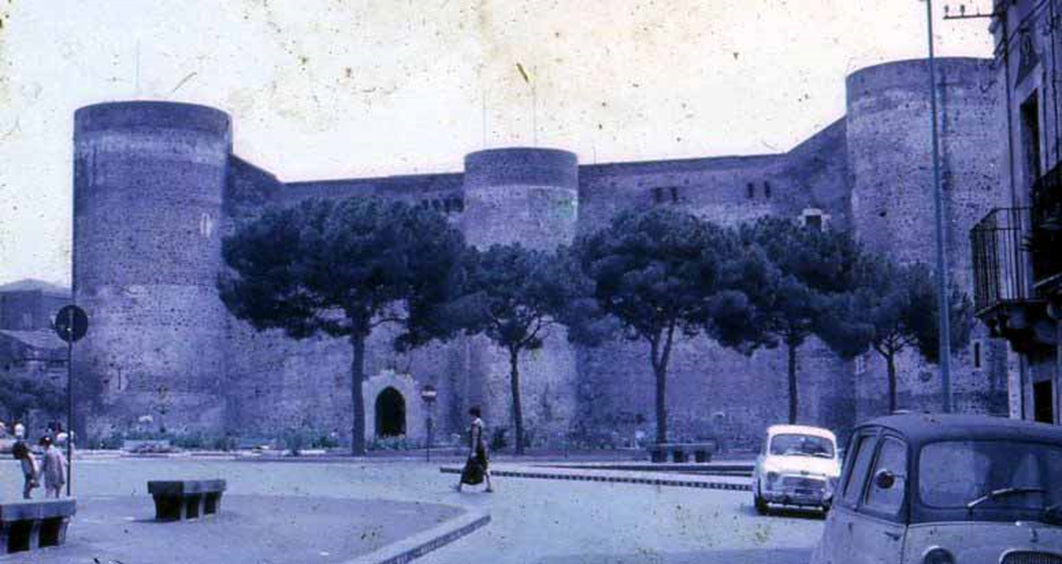
Gates of the fortified city of Toledo,
Photo by author, 22 August 1968
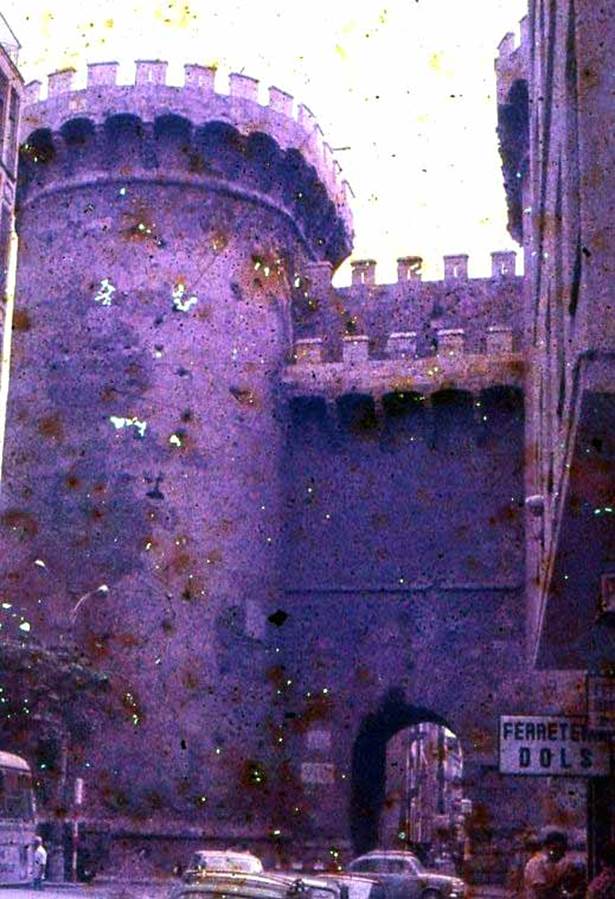
Photo by author, 22 August 1968
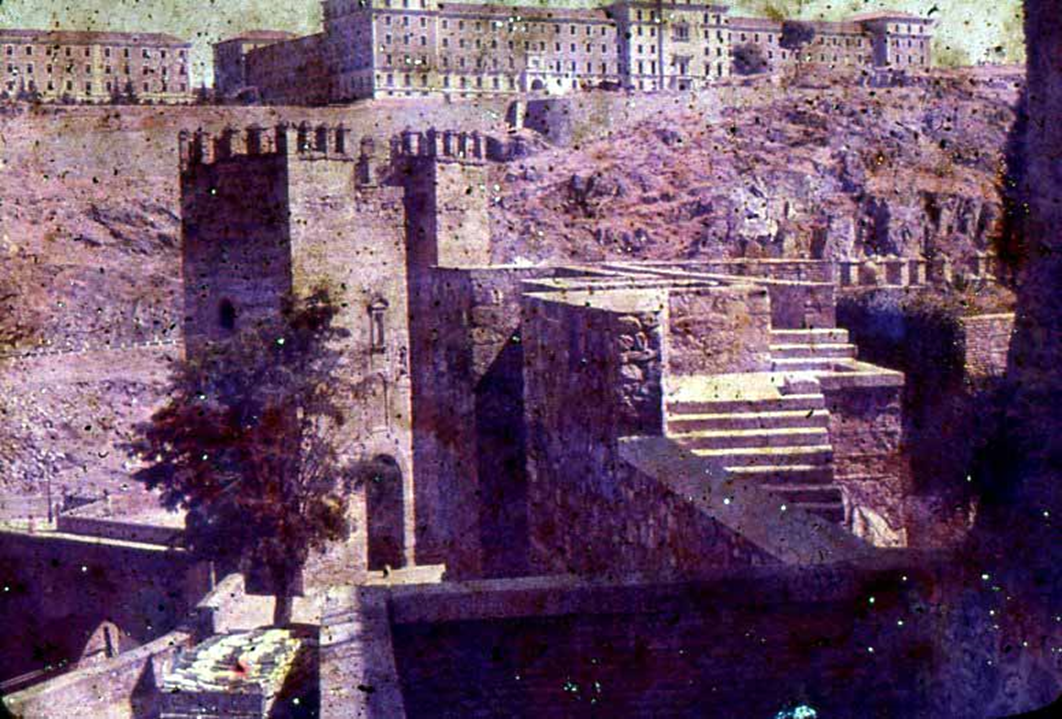
Inside the city gates of the fortified city of Toledo,
Photo by author, 22 August 1968
Casa de El Greco
El Greco, who was born in Crete, Greece, moved to Toledo at the age of 36 and spent his life as a court painter.
This building was renovated from the ruins of the area where he lived into Greco’s house in the early 20th century. It features a wooden veranda and eaves.
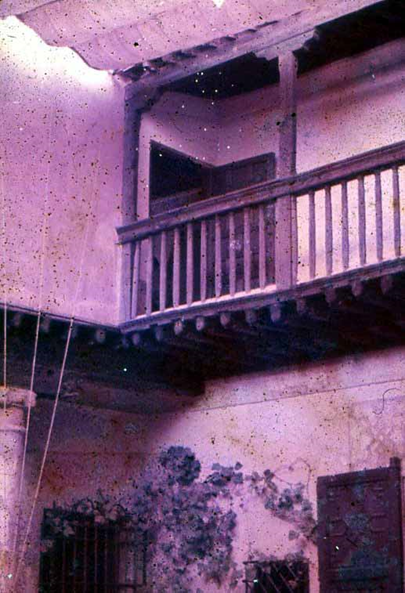
El Greco’s house in Toledo
Photo by author, 22 August 1968
August 22
Toledo 18:50 depart. I chatted with the wife of an officer, who is stationed in Greece with the US Navy, on the train. 21;00 arrive Madrid.
August 23
in Madrid. Prado Museum, Was unable to meet JAL’s Mr. Kawashima due to he away on a business trip to London. Call Mr. Waldy.
August 23 Madrid 22;15 departures > train overnight (15)> 24 August, 9;00 arrives Granada
Granada
Alhambra. World Heritage Site
Alhambra means “Red Citadel” in Arabic.
It is structured as both a palace and a fortress, and contains a variety of facilities including a mosque, residences, government offices, military barracks, stables, schools, baths, and gardens.
This was the residence of the Sultan, as well as a walled city inhabited by several thousand people.
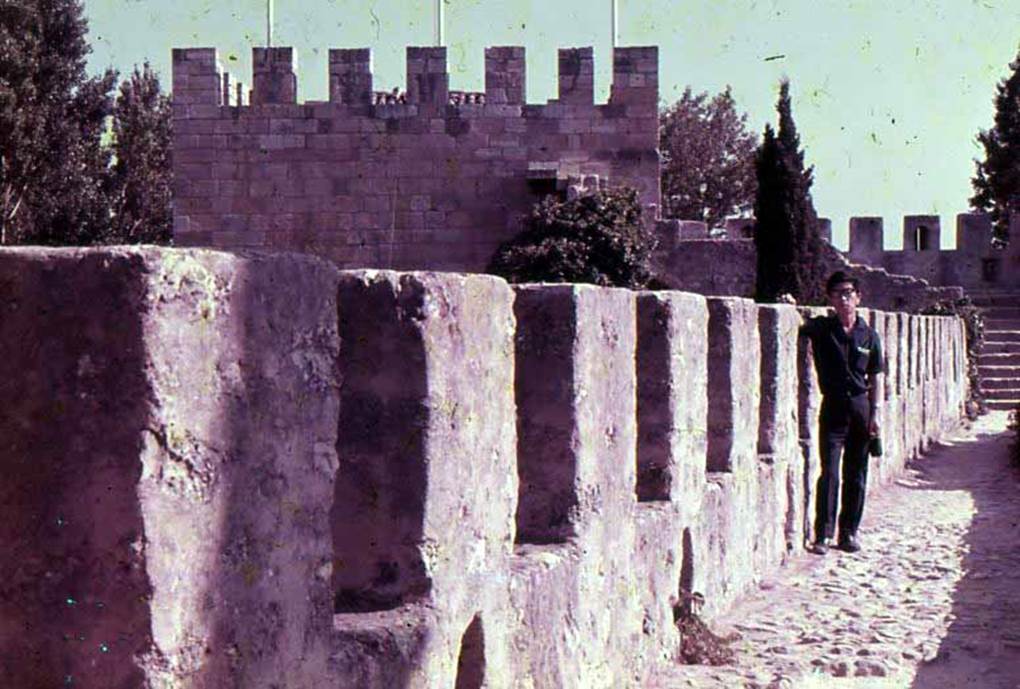
When I visited the Alhambra again in November 2013, it was full of tourists, but in 1968 there were few visitors to this world-class architectural heritage.
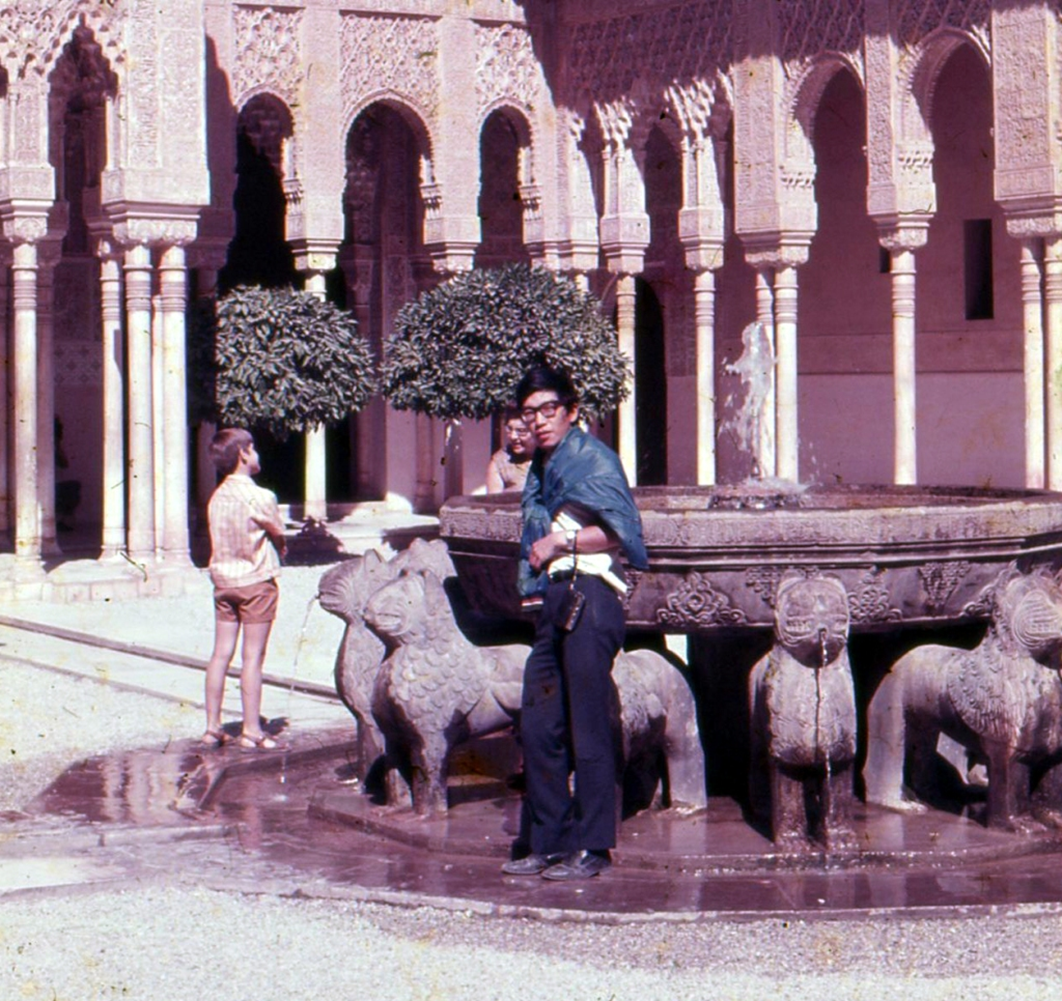
Alhambra Palace, Granada, Photo of author, 24 August 1968
August 24,
Granada 17;30 departs > Train Overnight (16) > 25 August 9;00 arrive Madrid
August 25
9;00 arrive Madrid, transfer train; 13;05 arrive Zaragoza.
17;50 depart Zaragoza on Talgo Express Train, 22;00 Arrive in Barcelona, overnight stay.
Gaudi’s architecture in Barcelona
World Heritage Site
Aug 26,1968
Barcelona Park Güell,
Gaudí’s apartment building, a bazaar near the port, try to do some shopping, but don’t get there.
Antonio Gaudi’s Park Güell
World Heritage Site
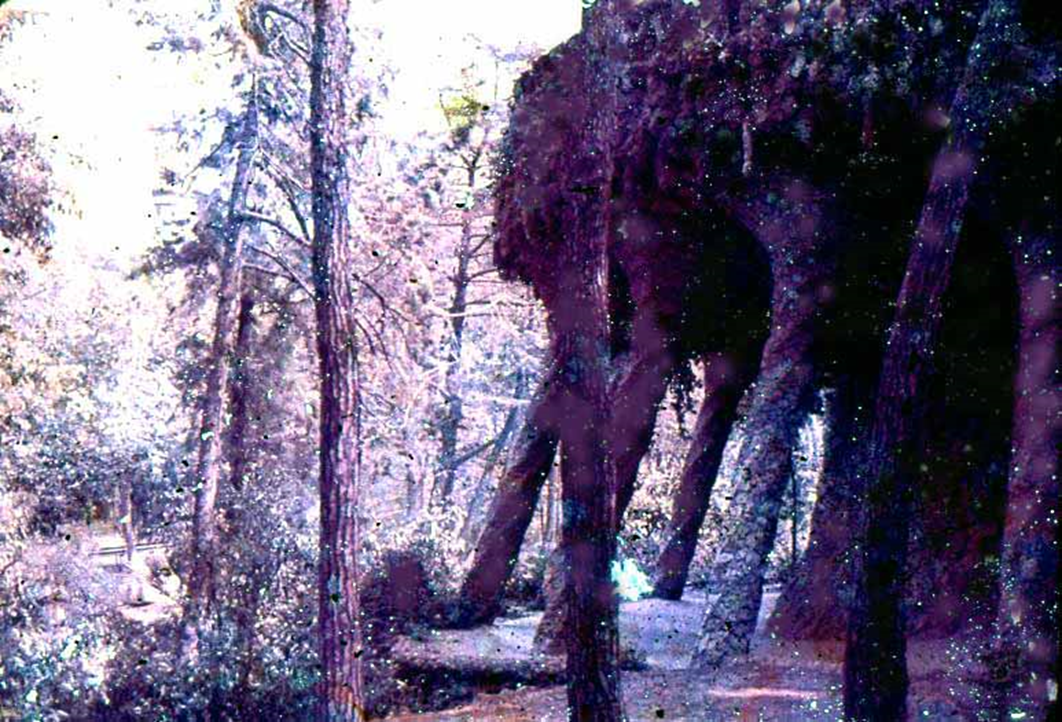
Park Güell, Barcelona, Photo by author, 26 August 1968
August 26
Barcelona 19;15depart, Celebre 23;45depart > Overnight ontrain from (17) > August 27 7;21arrive Lyon
August 27
7;21arrive Lyon. St Juan Hotel de Ville.
Lyon 10;02depart, 12;18arrive Geneva. Palais de Nacion,
Union de professional.Geneva 18;18 depart. 0;59 Lausanne depart