JAP | ENG
Delphi, Greece
October 2014
#2/2
The sacred site of ancient Greece, the oracle Delphi.
This unique terrain remain unchanged even today.
No matter what angle you look at, the terrain emits a sense of sacredness that touches your heart.
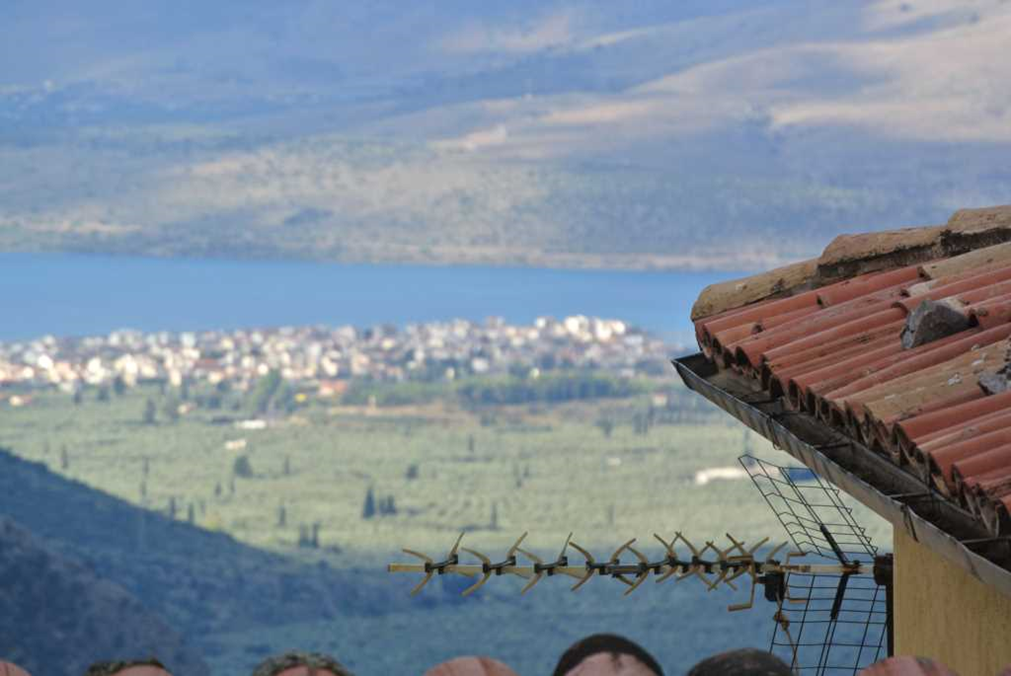
Photo by author, 2014
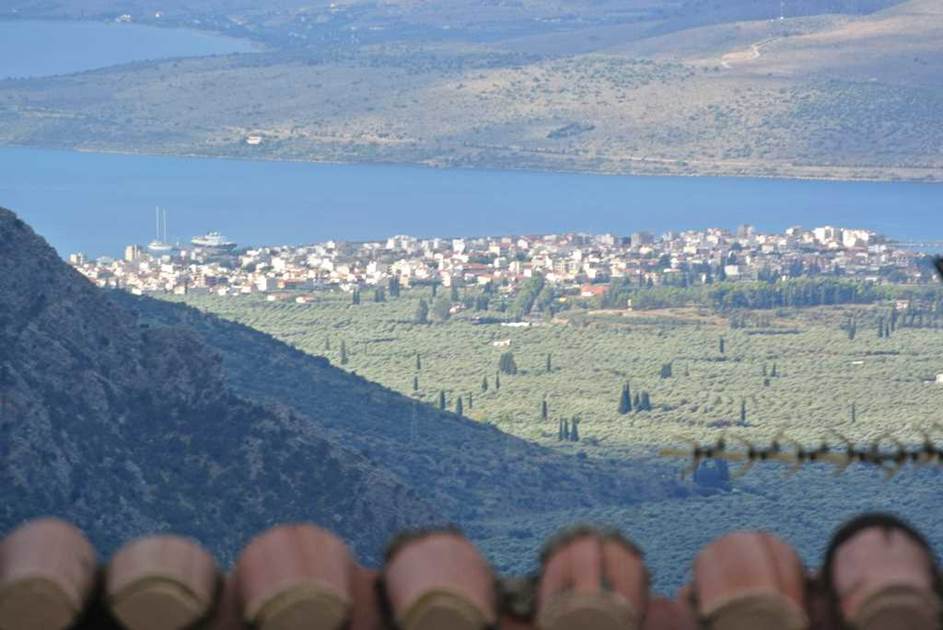
Photo by author, 2014
It is clear to see why the ancient Greeks chose Delphi as the site of their oracles.
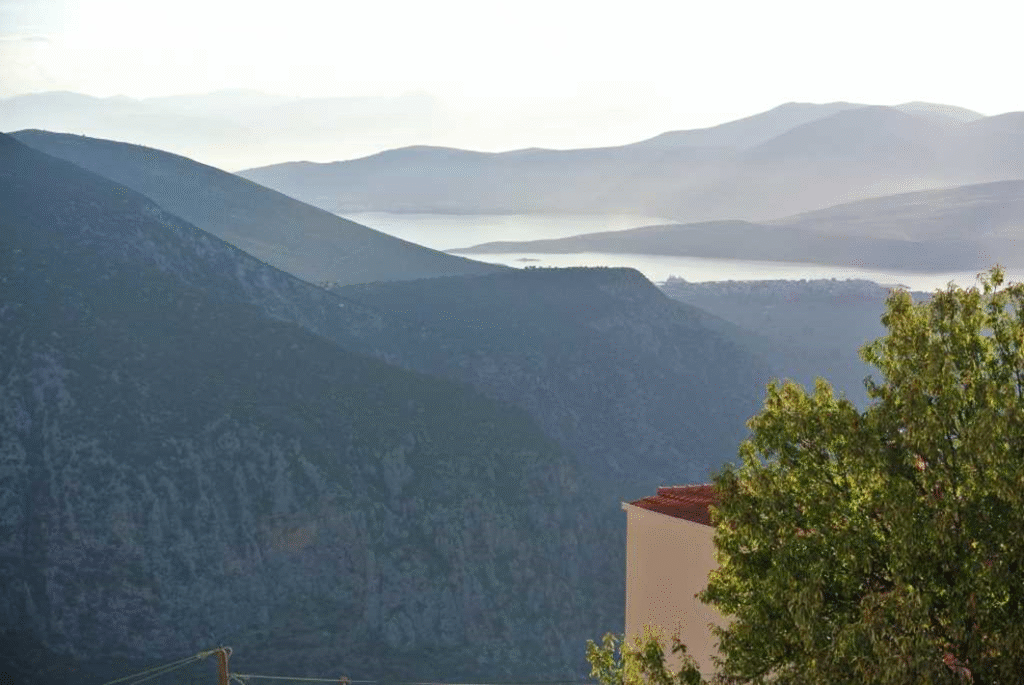
Photo by author, 2014
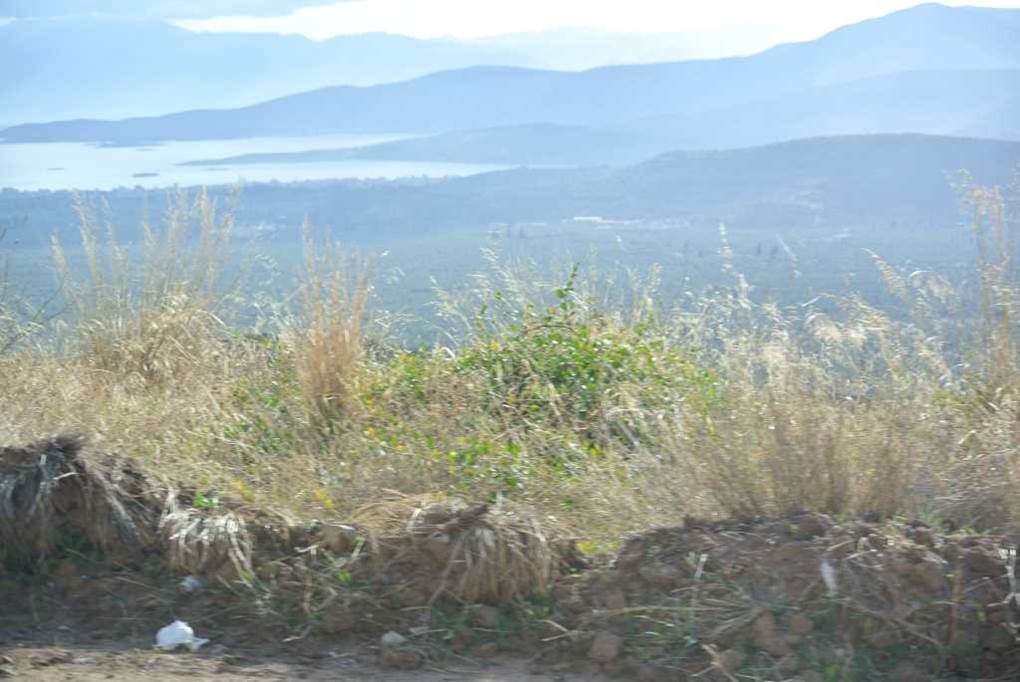
Photo by author, 2014
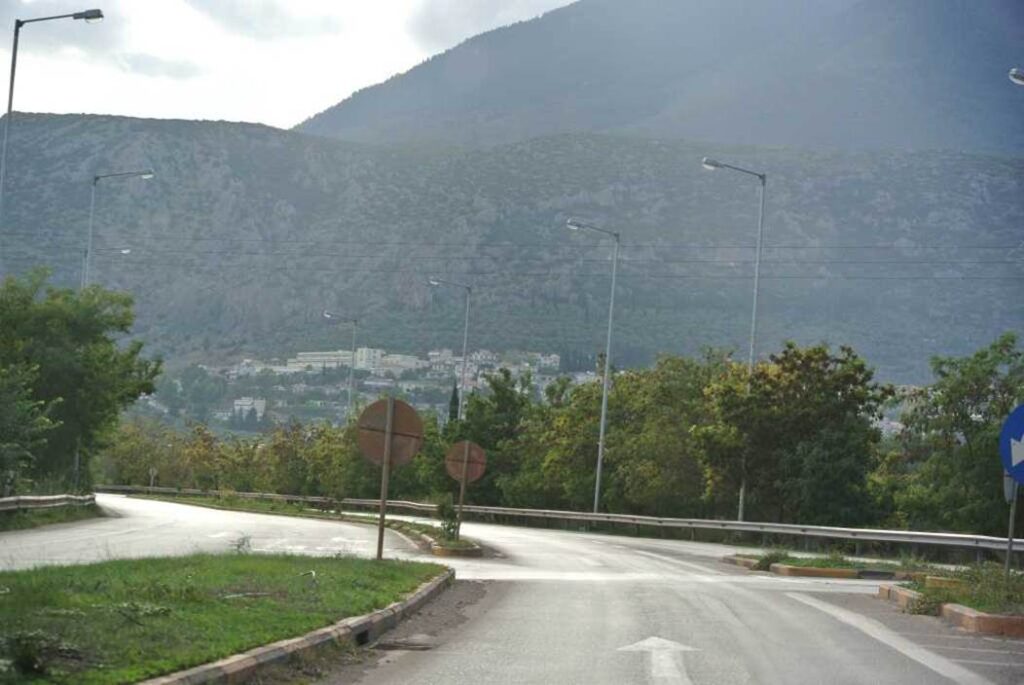
Photo by author, 2014
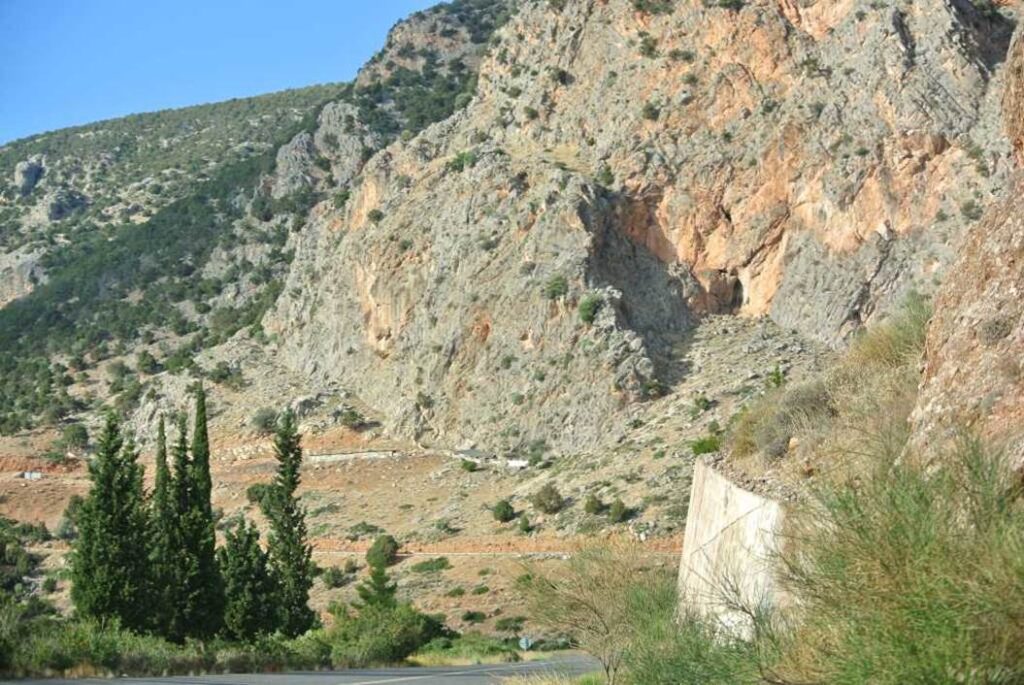
Photo by author, 2014
Delphi Archaeological Museum
The first archaeological museum in Delphi was built in 1903 to a design by the French architect Albert Tournaire, donated by the Greek banker and philanthropist Andreas Singloss, and was originally built as a simple building with only two wings to display the temple excavations discovered by French archaeologists.
The building was partially expanded between 1935 and 1936, and in 1958 a full-scale restoration and expansion work began under the design of the Greek architect Patroclus Carandinos, and after several subsequent restorations, the magnificent current museum was built under the direction of the Greek architect Alexander Tobazis, which continues to this day.
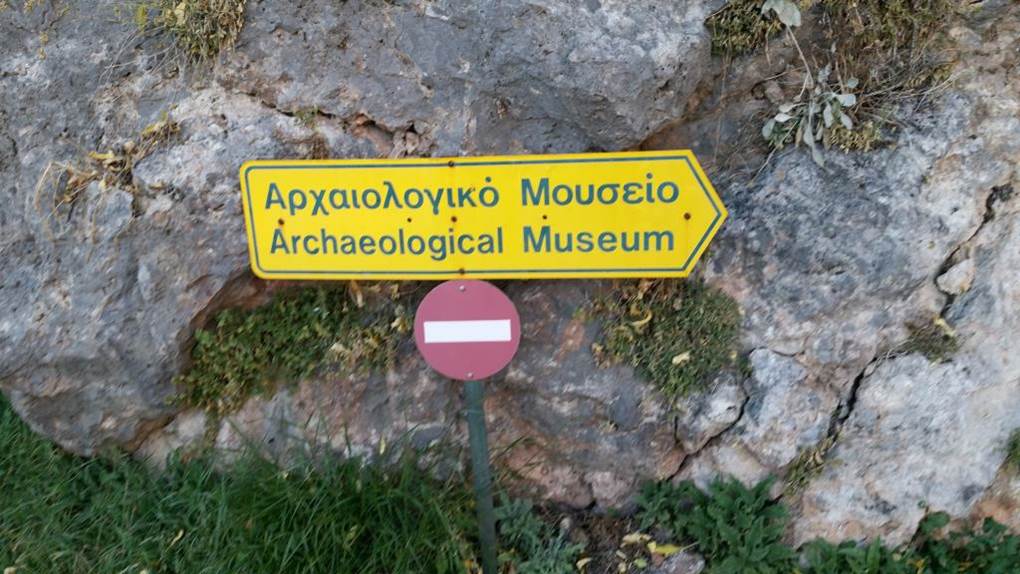
Photo by author, 2014
The collection focuses on artifacts excavated from the Sanctuary of Delphi.
It has a wide range of sculptures, statues, and donated items from the 8th century BC to the Roman era when Delphi fell, and you can learn about the history of religion, politics, and art in the region.
Must-see attractions in the museum include “The Brothers of Argos”, the”Charioteer of Delphi“, the “Sphinx of Naxos” and the ” Omphalos, Navel of the Earth“, which was considered the center of the world.
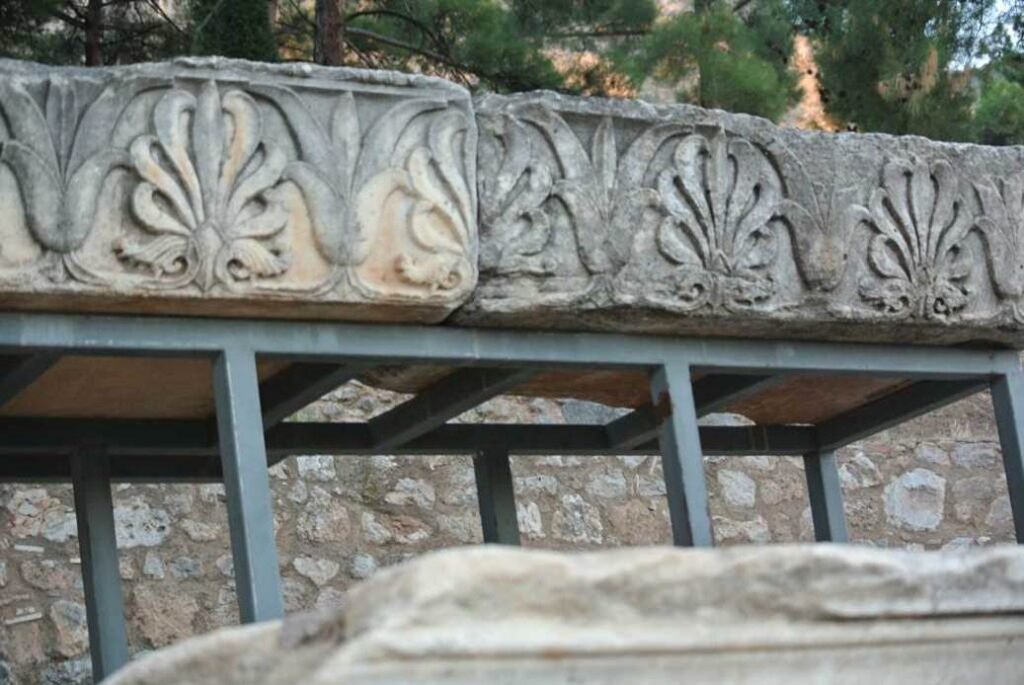
Photo by author, 2014
Various works of art dedicated to Delphi, the center of ancient Greek worship.
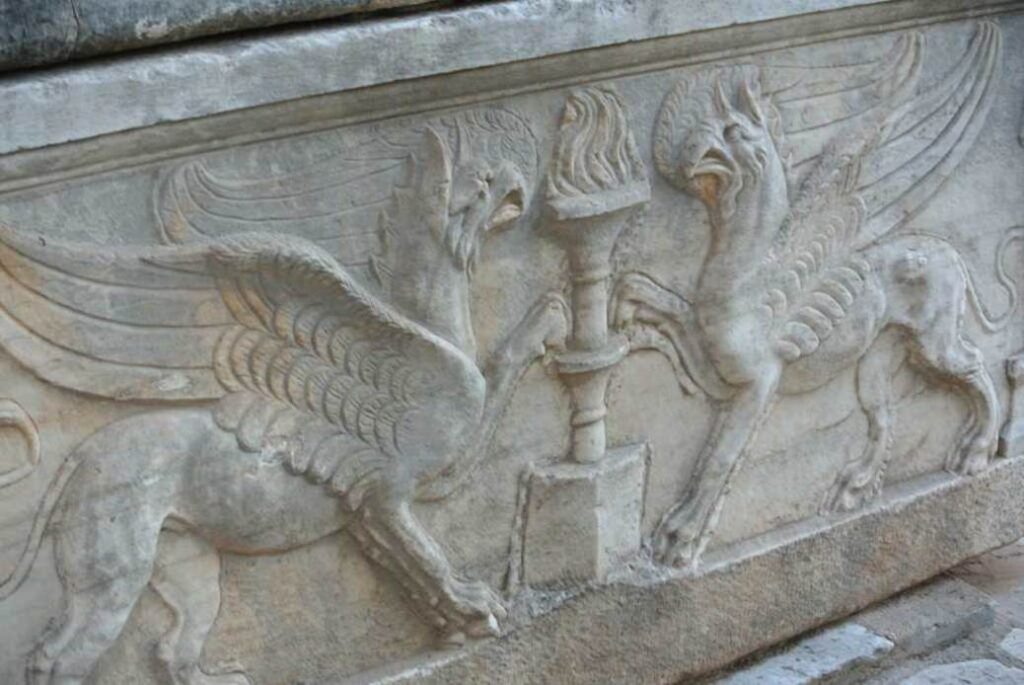
Photo by author, 2014
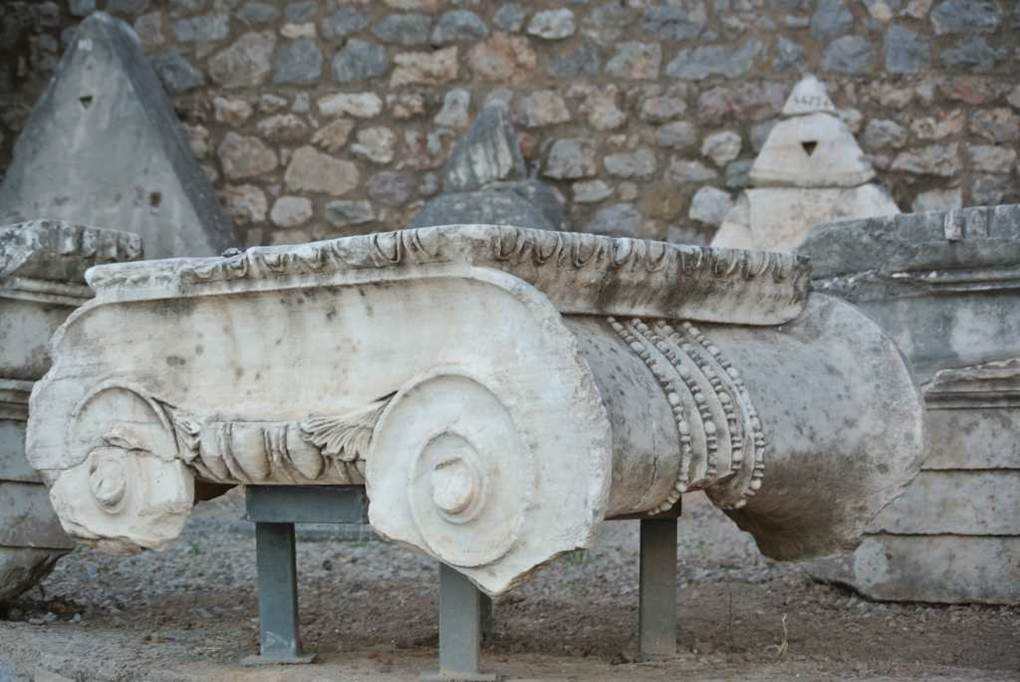
Photo by author, 2014
An exquisite mosaic of floors. Not only the sophistication of this work, but also the artistic sense is astonishing.
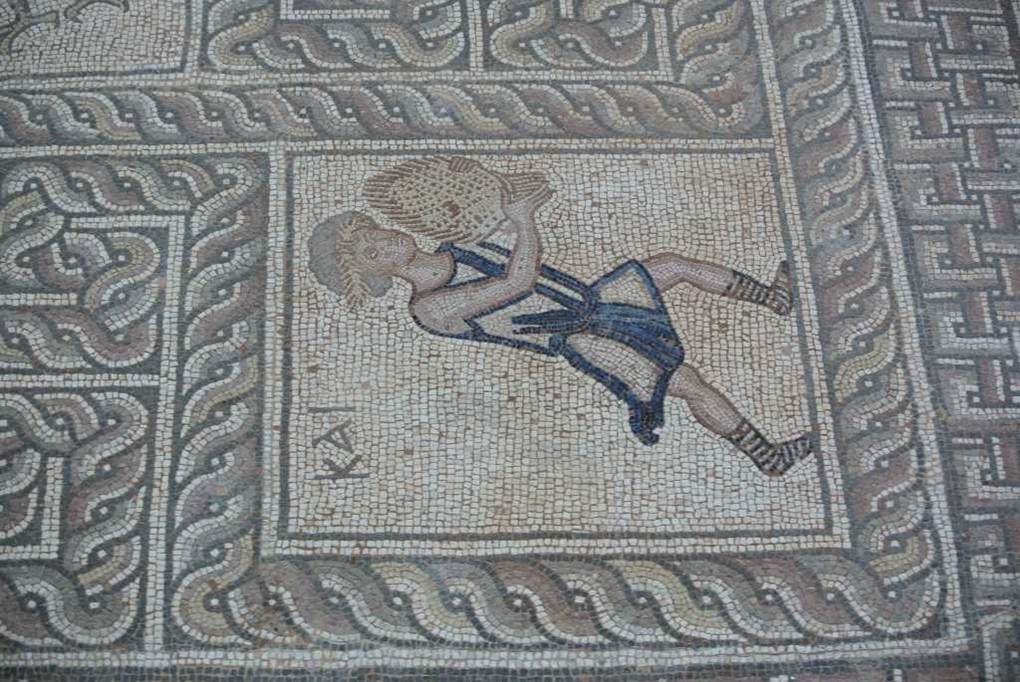
Photo by author, 2014

Photo by author, 2014
The Delphi Archaeological Museum exhibits artifacts excavated at the archaeological site of Delphi, a World Heritage Site.
Boasting a vast site of more than 2,270 square meters, 14 exhibition rooms display excavated items in chronological order.
The entrance to the Archaeological Museum is a clean, modern building.
It also has a modern cafeteria, allowing visitors to relax and enjoy their visit.

Photo by author, 2014
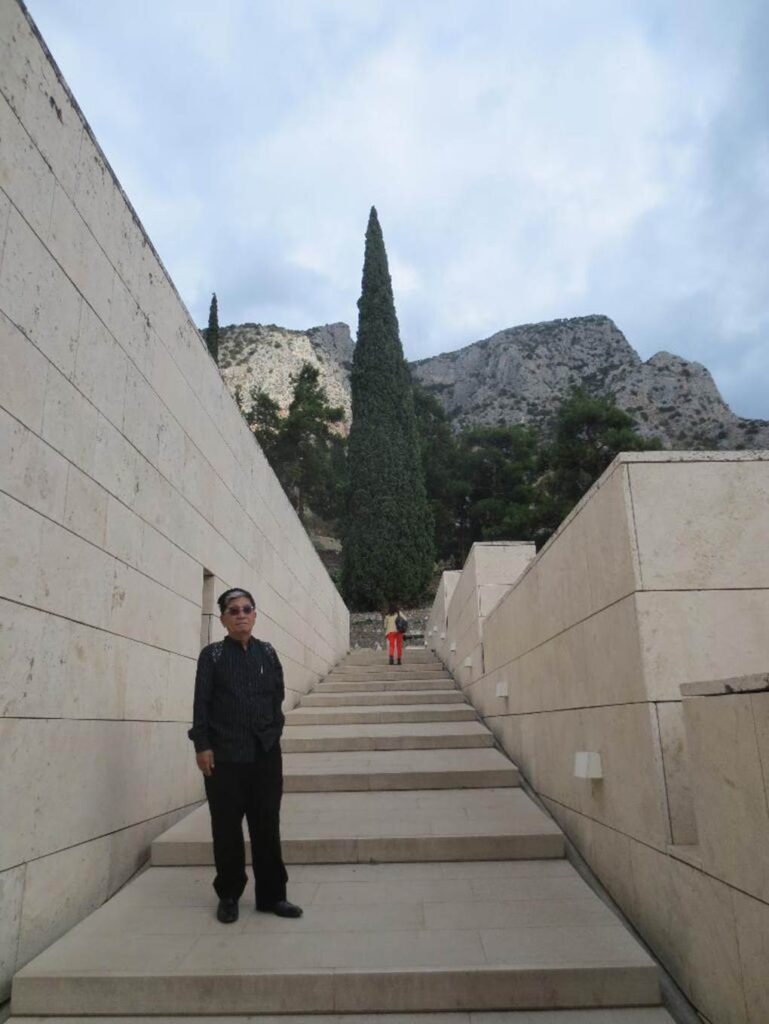
Photo of author, 2014
Gable sculpture of the Temple of Apollo
At its peak in the 6th century B.C., and after the Persian Wars, under the patronage of Alexander the Great, it was the most dream-like time in the history of the Greek people, with people from the Mediterranean Greek world (from the Black Sea to the Greek colonies of the Iberian Peninsula) coming here, praying, festivals, and the citizens of the cities staying overnight to receive oracles, mingle, and compete.
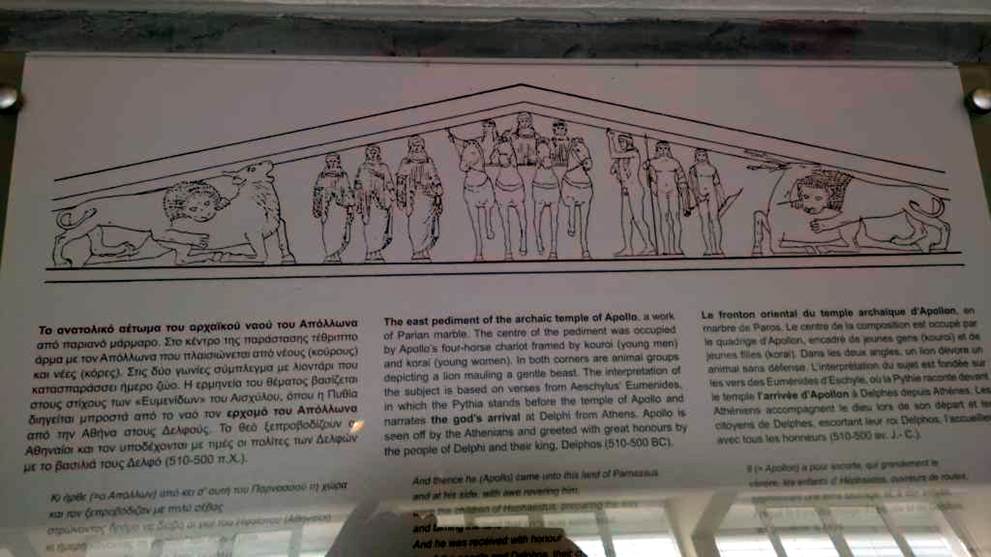
Photo by author, 2014
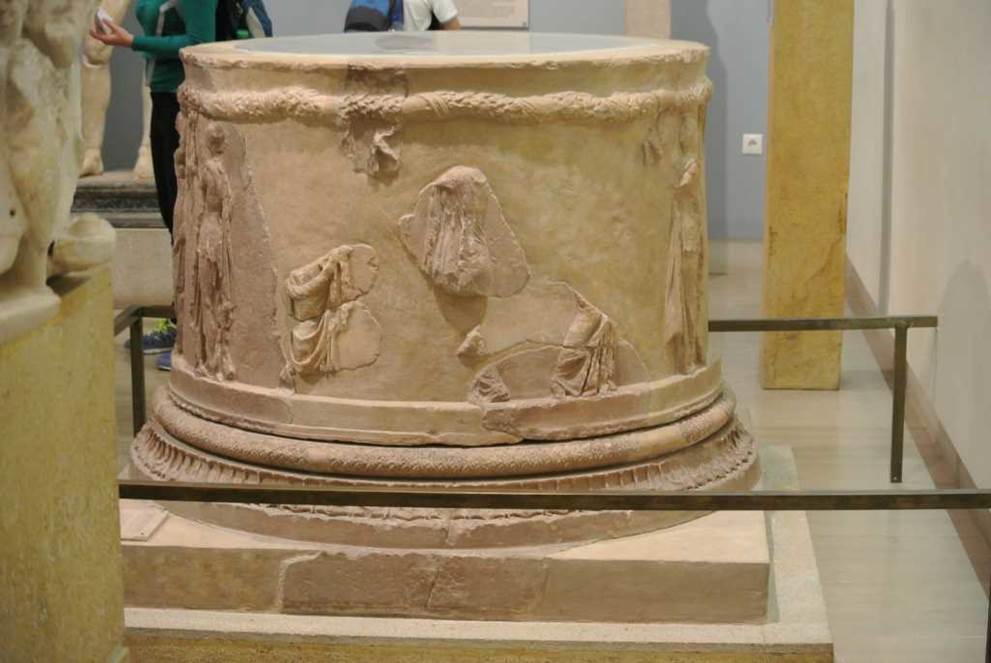
Photo by author, 2014
Brothers of Argos
Statue of the Argos brothers Cleobis and Biton, work of Polymedes of Argos.
The Argives who had statues of them made had set them up at Delphi.
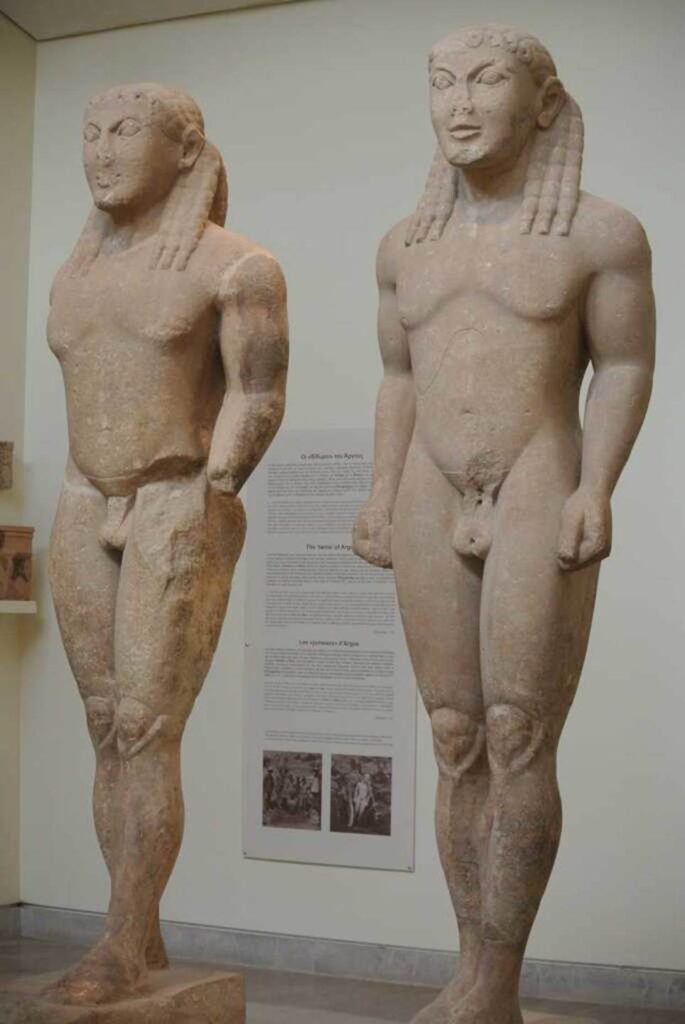
The Lugians dedicated it to Delphi.
Photo by author, 2014
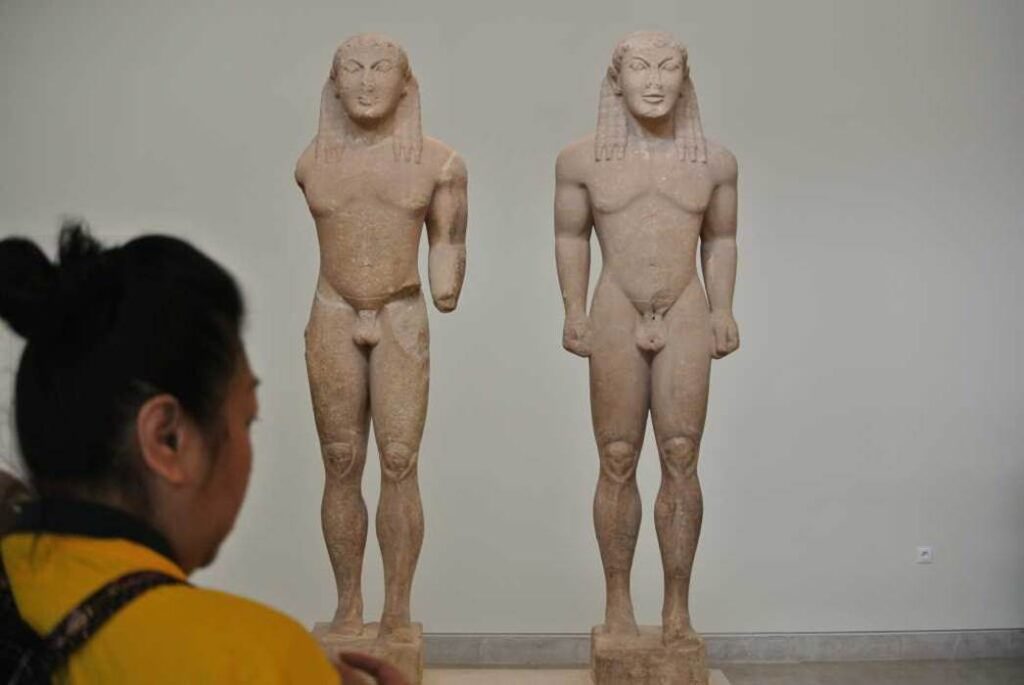
Photo by author, 2014
Many other statues have been excavated and displayed.
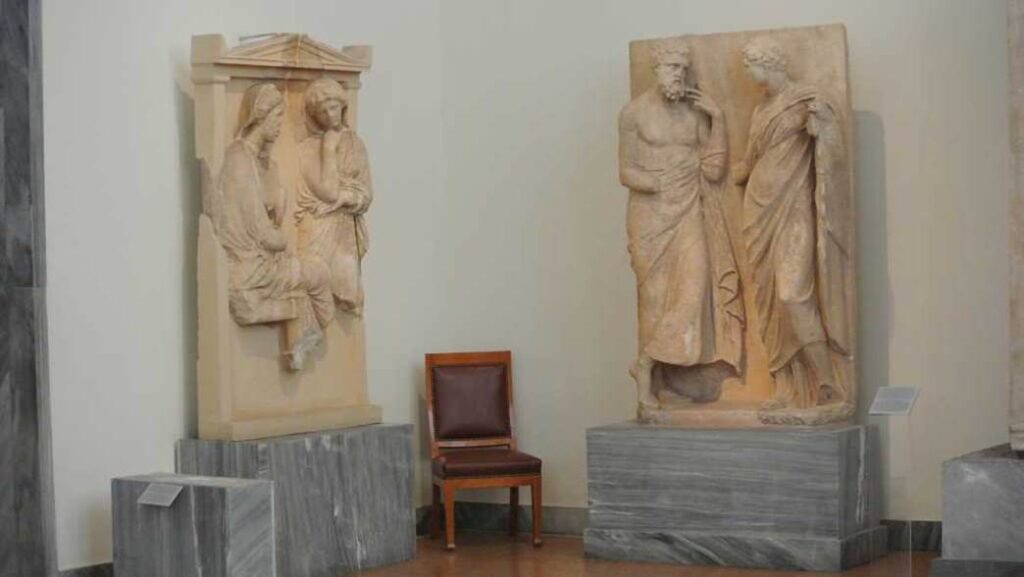
Photo by author, 2014
Charioteer of Delphi, bronze, 478 BCE,
The most famous exhibit of the Delphi Archaeological Museum, the “Charioteer of Delphi”.
A votive offering of Polyzaros, a priest in the city of Gera, Sicily.
It was excavated from the ruins of a temple in Delphi.
The charioteer was donated to commemorate the victory in the four-horse chariot race at the Pythian Games in 478 BC.
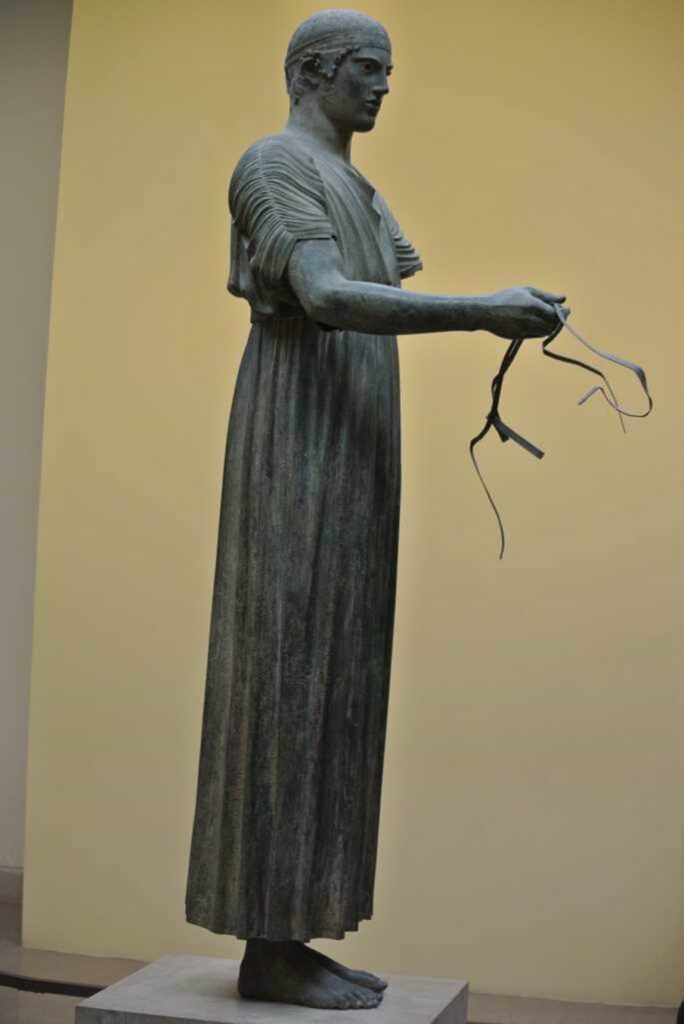
Photo by author, 2014
Sphinx of Naxos
A sphinx statue dedicated by Naxos around 570~560 BC.
It was placed on an Ionic capital, a 12.1 m high column.
The height of the Sphinx itself is 2.32 m.
The face of the sphinx is female, the torso and legs are lions, and the wings of a bird.
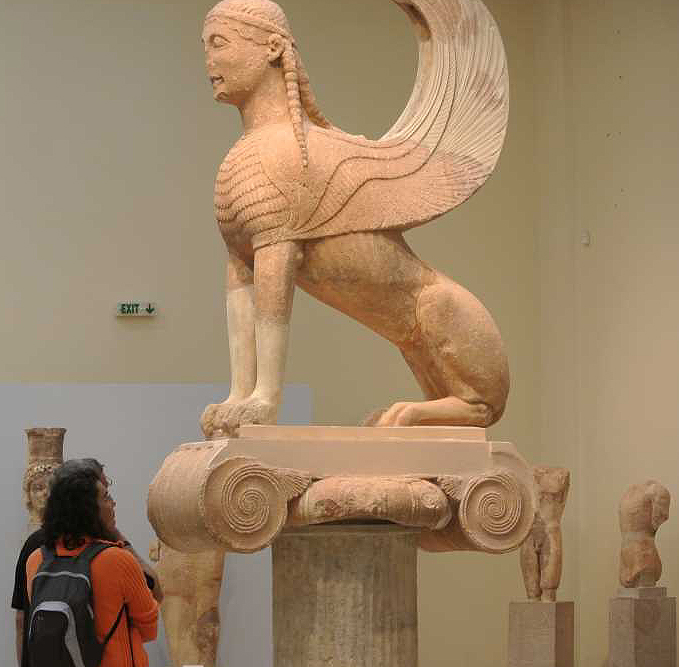
Photo by author, 2014
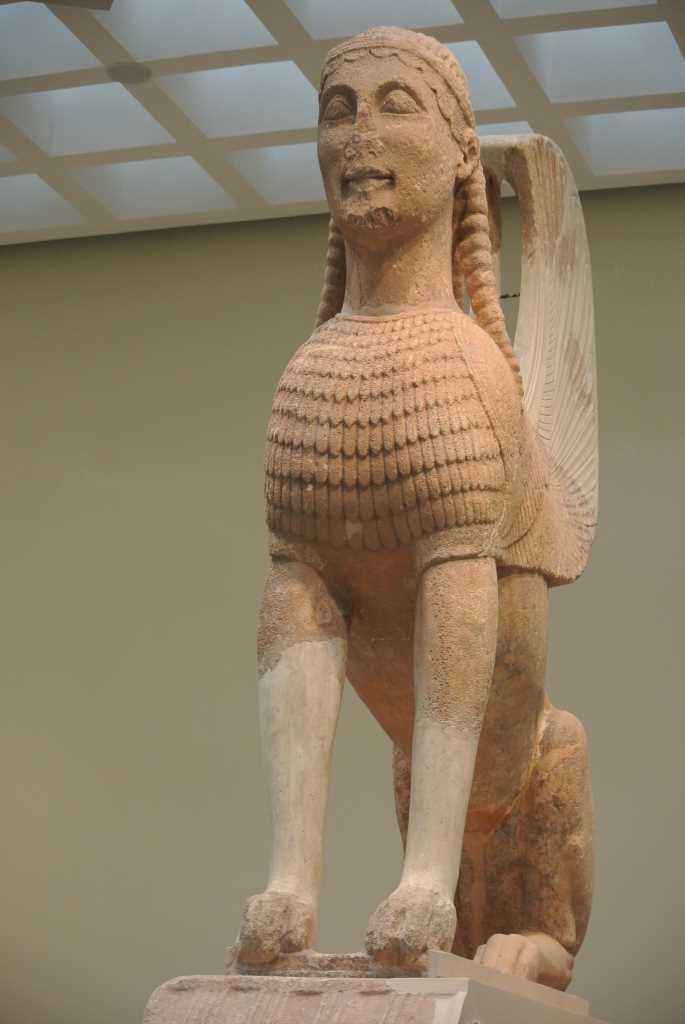
Photo by author, 2014
Gables of buildings
The excavated items are put together like a puzzle to bring the scene back to life in modern times.
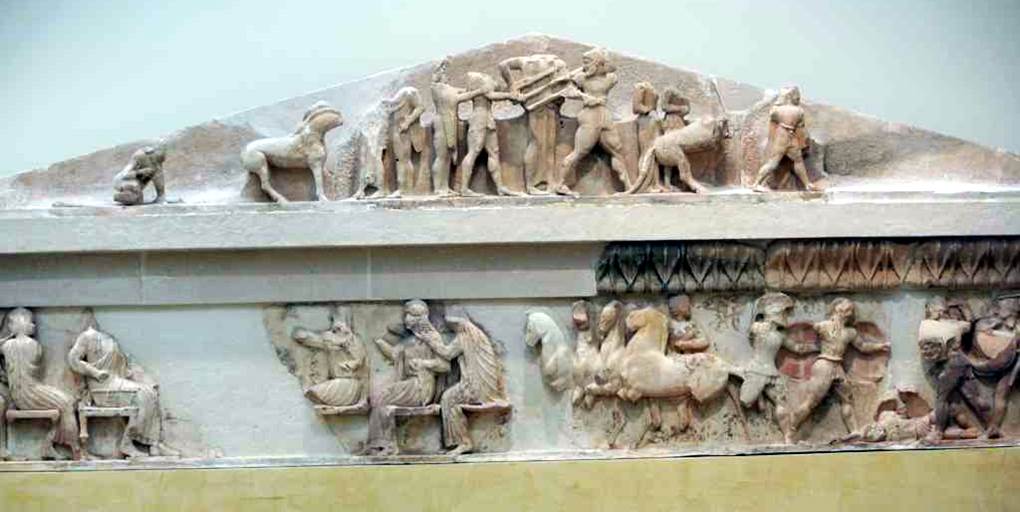
Photo by author, 2014
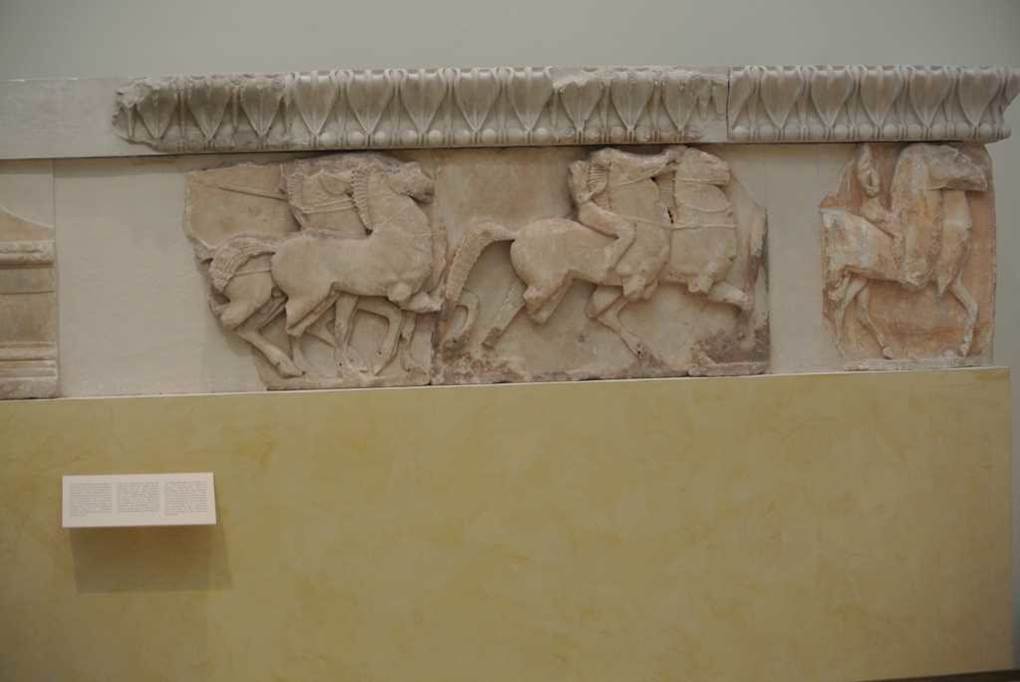
Photo by author, 2014
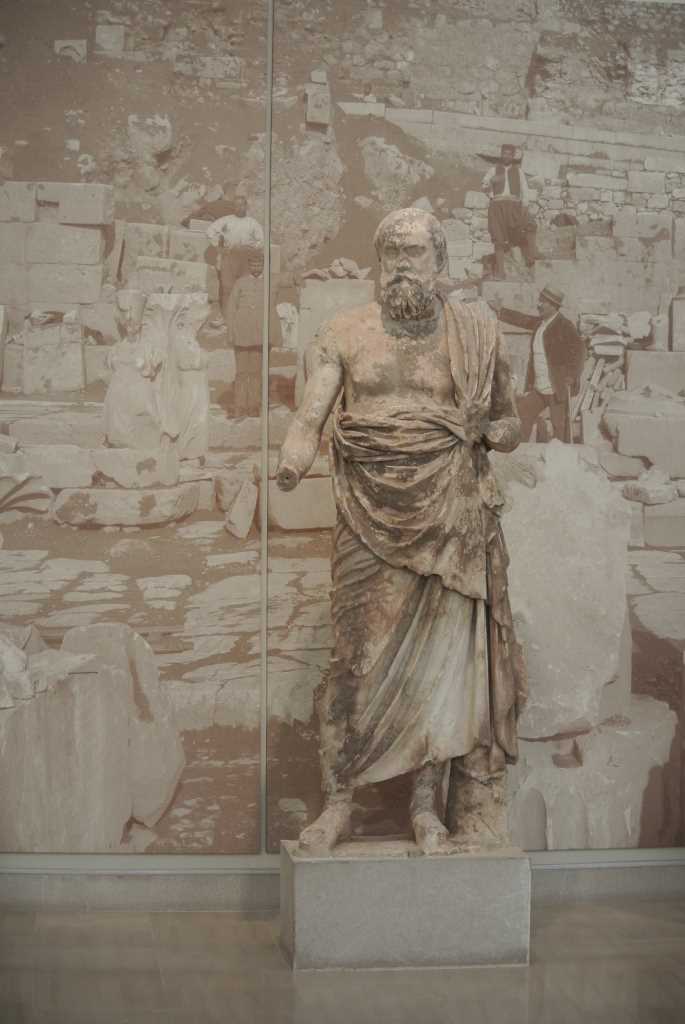
Photo by author, 2014
Omphalos, the symbol of the “navel of the earth”
It is said that it was placed in the back of the temple of Apollo near the statue of the god Apollo.
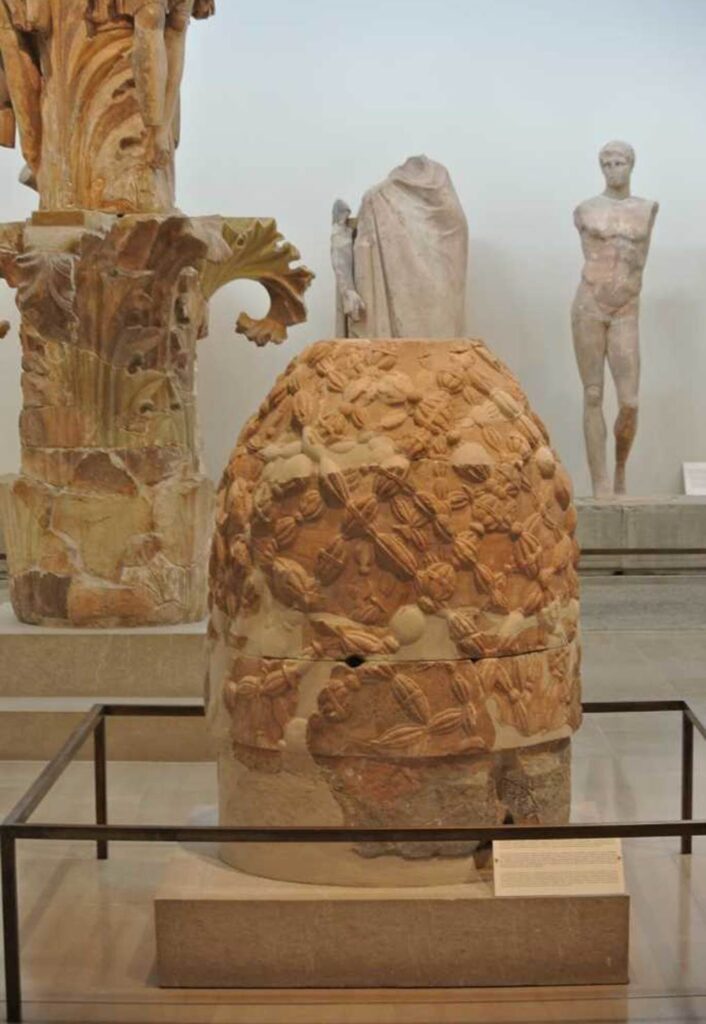
Photo by author, 2014
Treasury
In ancient Greece, Delphi was considered the center of the world.
Kings who visited to receive oracles from the gods offered many gifts, and a total of 25 treasuries were built along the approach to the Temple of Apollo.
The treasury was not only of the powerful states of Greece, but also of the Etruscans of present-day Italy, and most of the treasures contained in these treasuries were lost in the numerous wars fought for control of Delphi.
People began living directly above the ruins of Delphi in the Middle Ages, and after a major earthquake destroyed the area and forced the villagers to abandon it, excavation of the buried Delphi began.
In 1893, a team of French archaeologists excavated the Delphi ruins, including the Temple of Apollo, and the ancient Greek artefacts discovered there are on display at the Delphi Archaeological Museum.
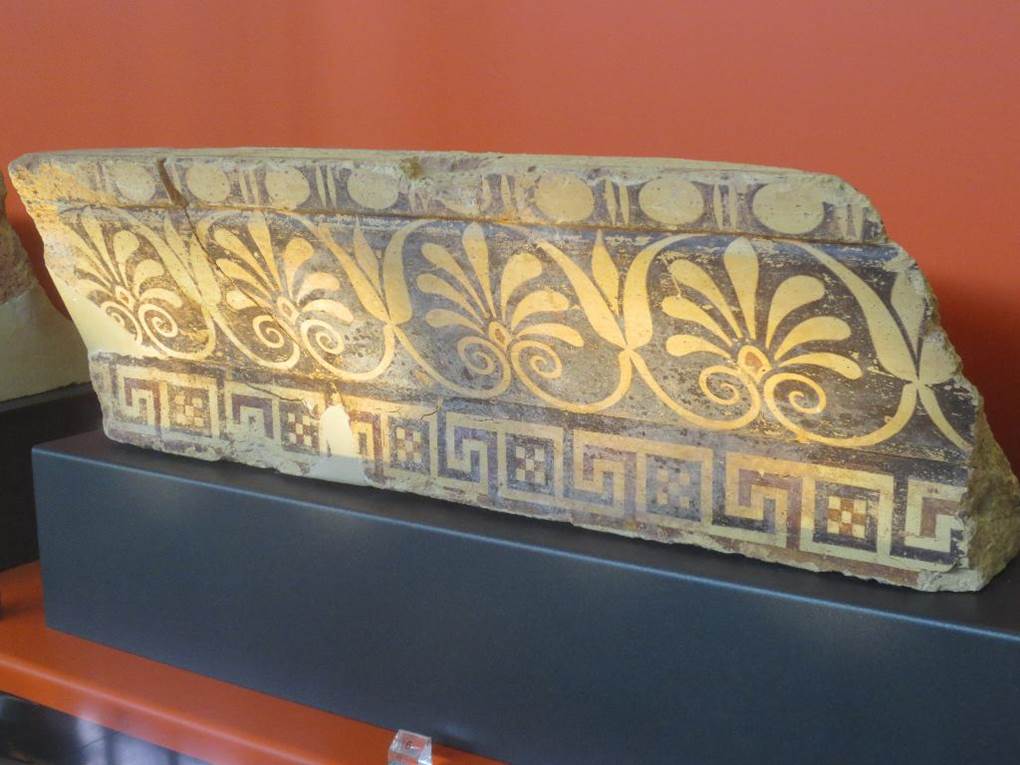
Photo by author, 2014

Photo by author, 2014
Photo by author, 2014
Photo by author, 2014
European Lion
Looking at the lion statue below, it can be inferred that lions lived in ancient Europe.
Further research reveals that lions inhabited almost all of southern Europe.
After that, the habitat was narrowed to the northern part of Greece, and it is thought to have become extinct by about 100 AD.
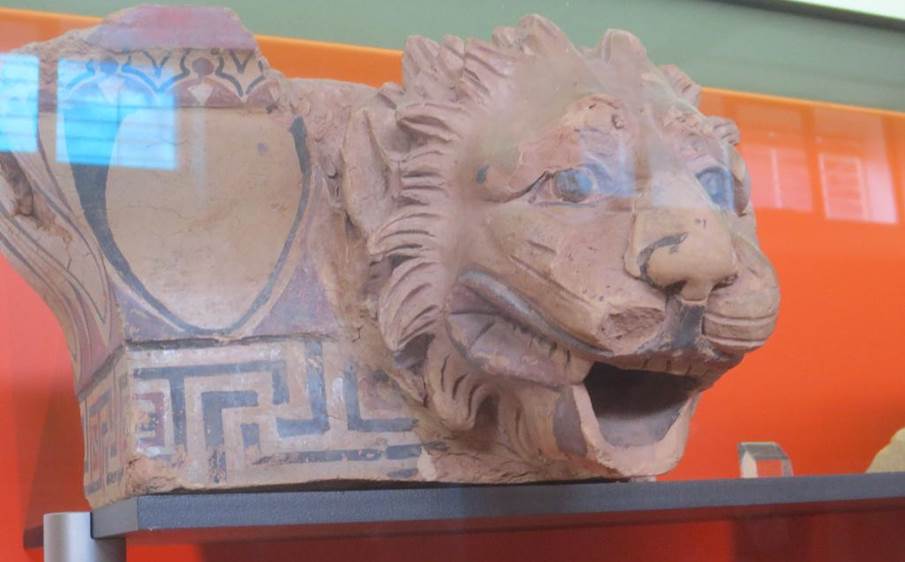
Photo by author, 2014
The European lion was forced to fight against beast fighters and other wild animals in the Colosseum of ancient Rome.
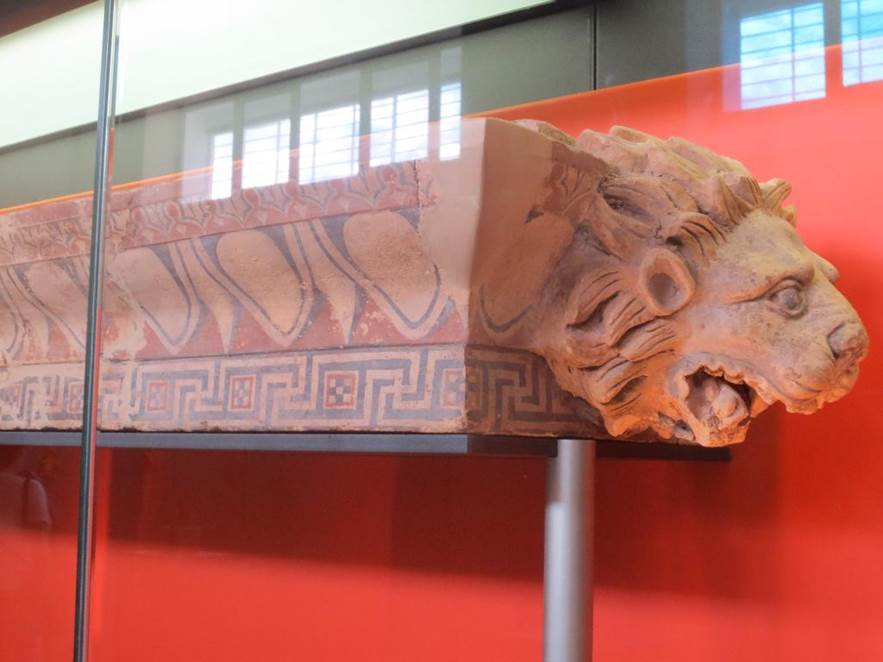
Photo by author, 2014
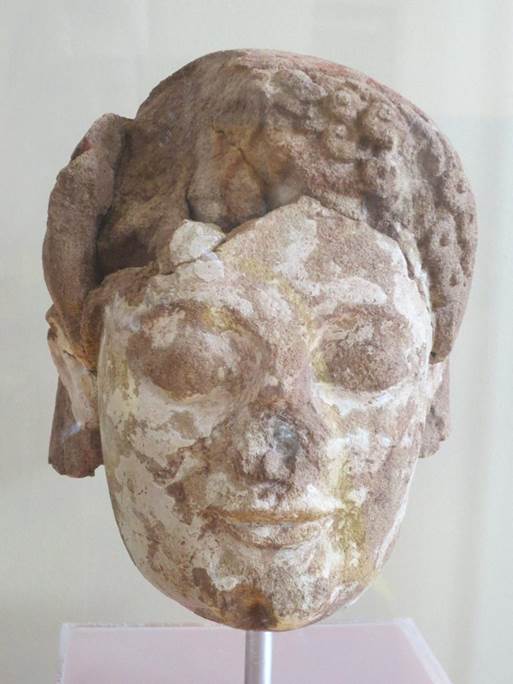
Photo by author, 2014
A number of bronze works have been excavated.
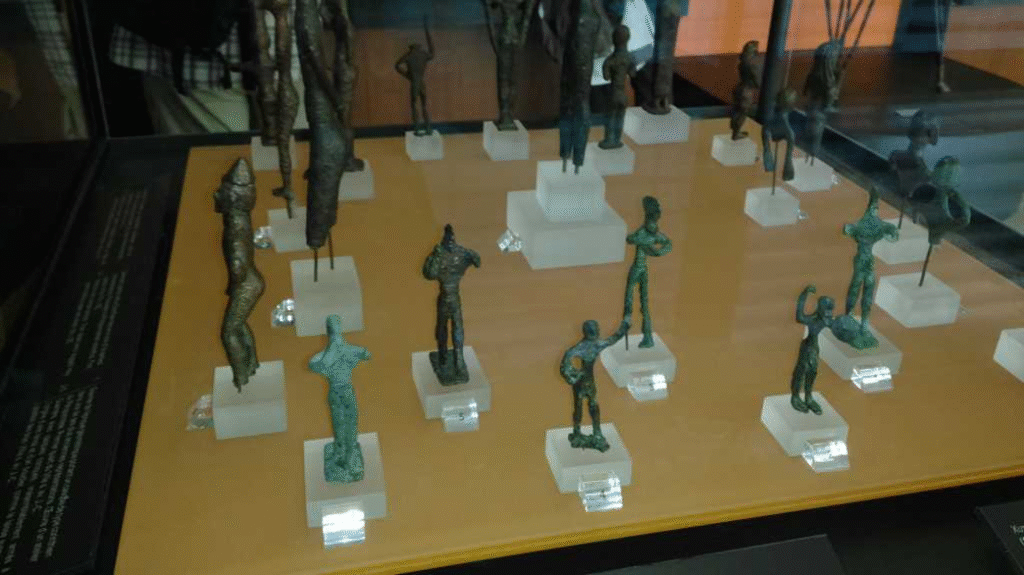
Photo by author, 2014
I was able to spend a lot of time visiting the Delphi Archaeological Museum. When I went outside, the sun was about to set.
I returned to the hotel and head to the Greek restaurant that I had noticed during my walk earlier on.

Photo by author, 2014
To Patriko Mas (Greek Mediterranean Restaurant)
The restaurant is located on a cliff corner just outside of town, with ample outdoor seating and a spectacular view that captures the mystical atmosphere of Delphi.
If you look up the origin of this restaurant online, you will find that it was founded in 1860 and is currently run by the fifth generation owner. The English text is as follows:
At 1860, on a point where East meets West, great grandfather Dimitris started building this house with his own hands, stone by stone, along with the first houses of this village. His son inherited it and he passed it to his son…Nowadays, the fifth generation of owners, we decided to open the door of our family home (‘to patriko mas’) and share with you our home made dishes on a genuine family restaurant that will leave you the sweetest of memories!
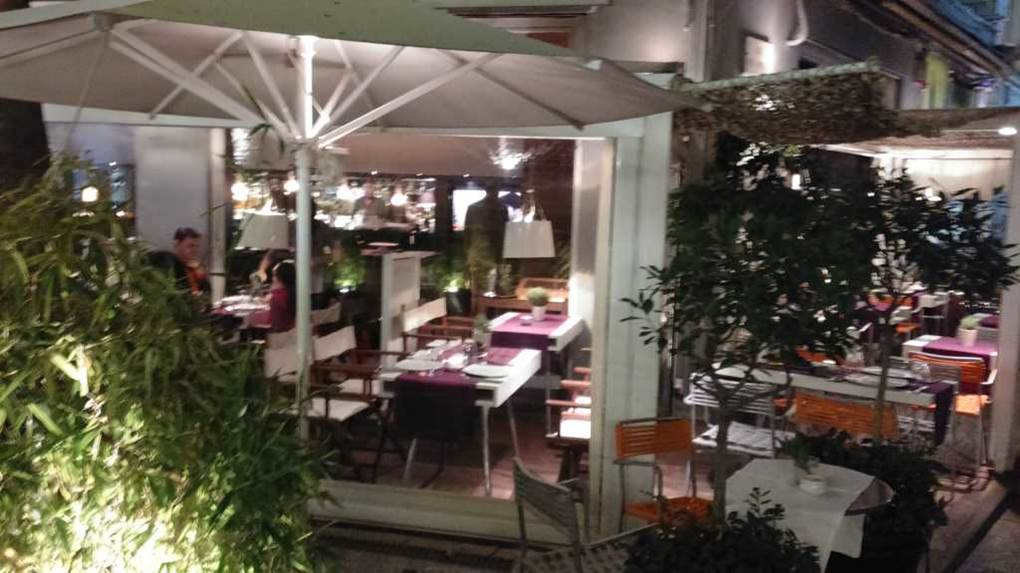
Photo by author, 2014
Below are some photos of the Greek home cooked dishes that I ordered.

Photo by author, 2014
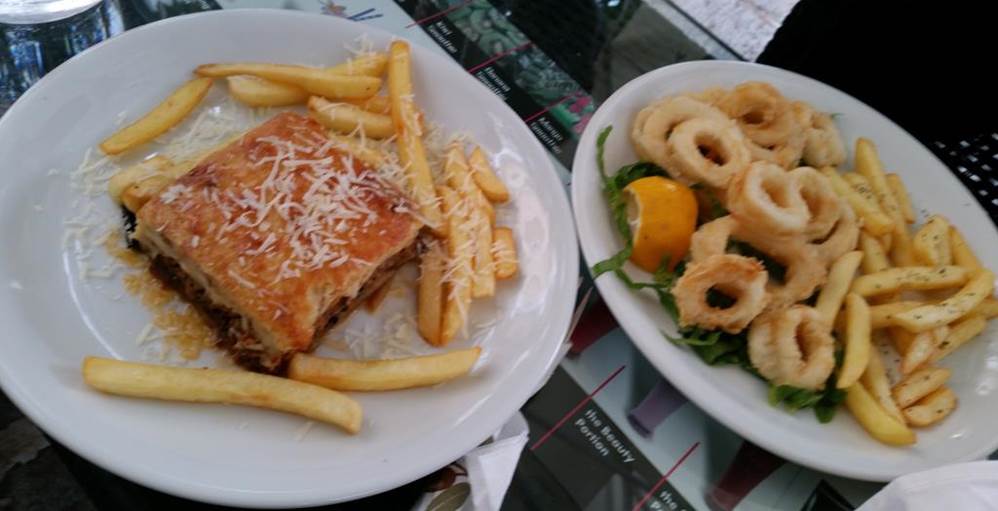
Photo by author, 2014
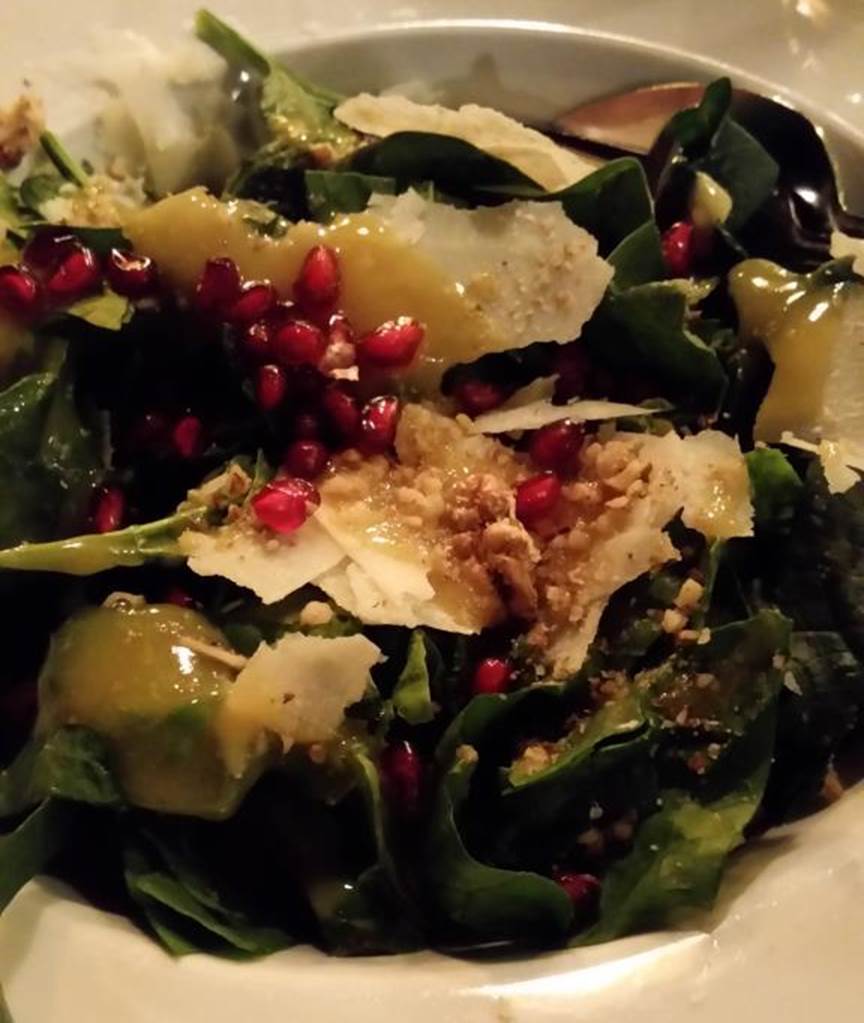
Photo by author, 2014
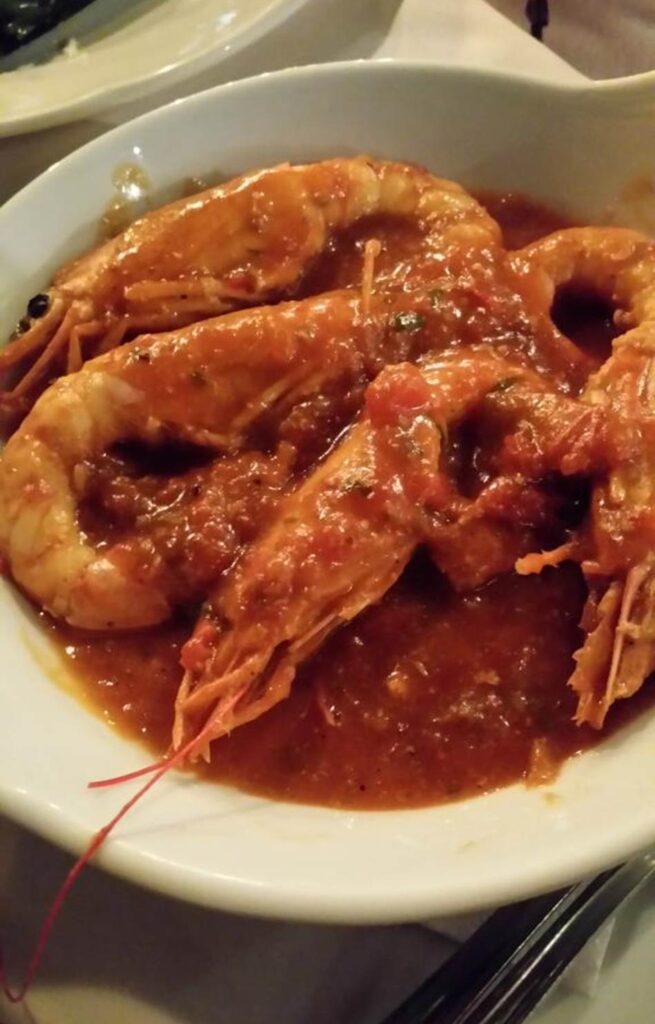
Photo by author, 2014
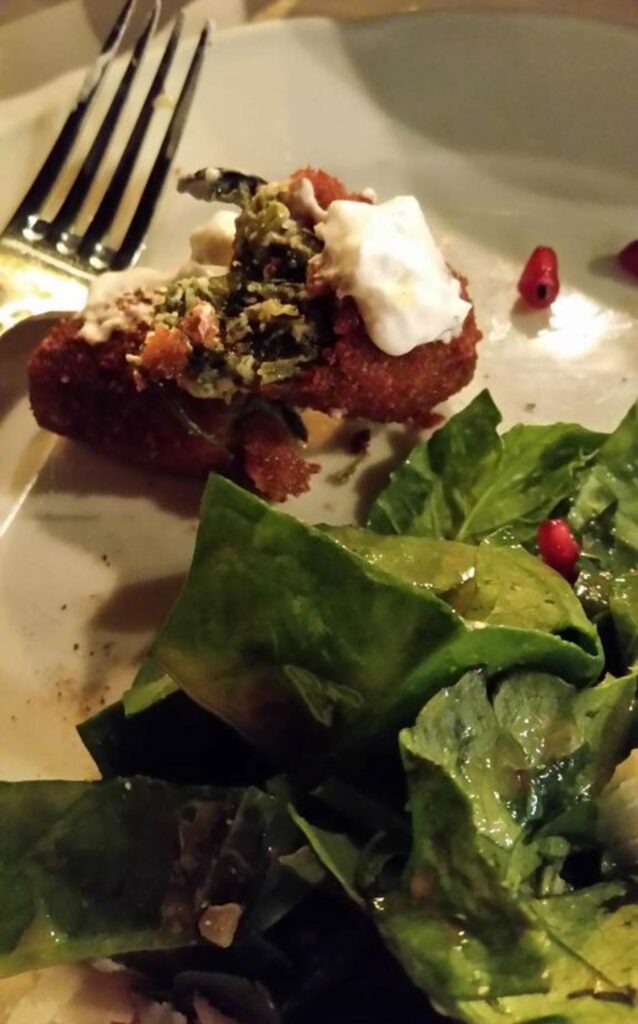
Photo by author, 2014
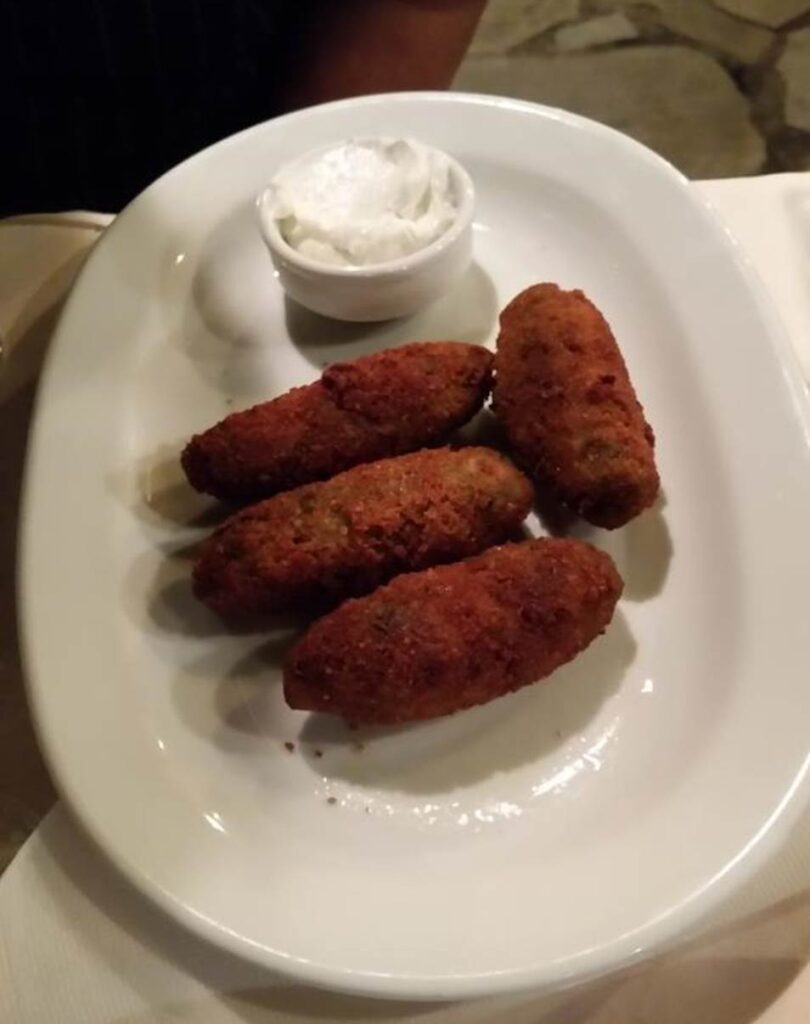
Photo by author, 2014
Bus stops
To secure a ticket for a local bus to Athens, I headed to the bus stop as instructed by a local. I recorded the location on my camera just to make sure I didn’t get it wrong.
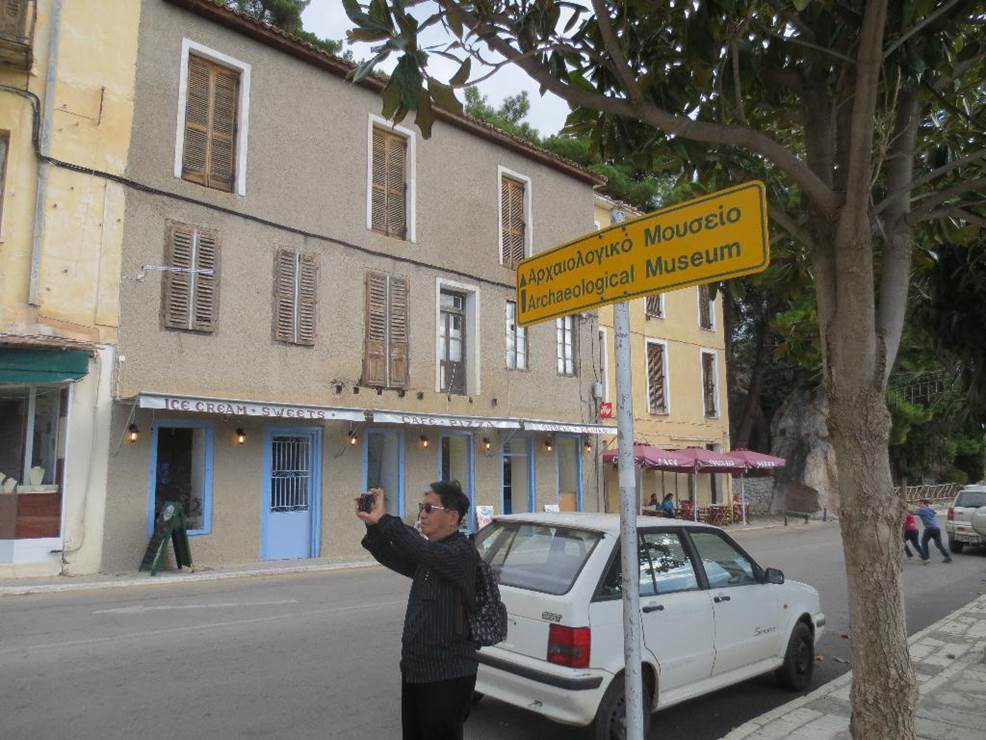
Photo of author, 2014
There are not many trips a day, so I must be careful not miss the ride.
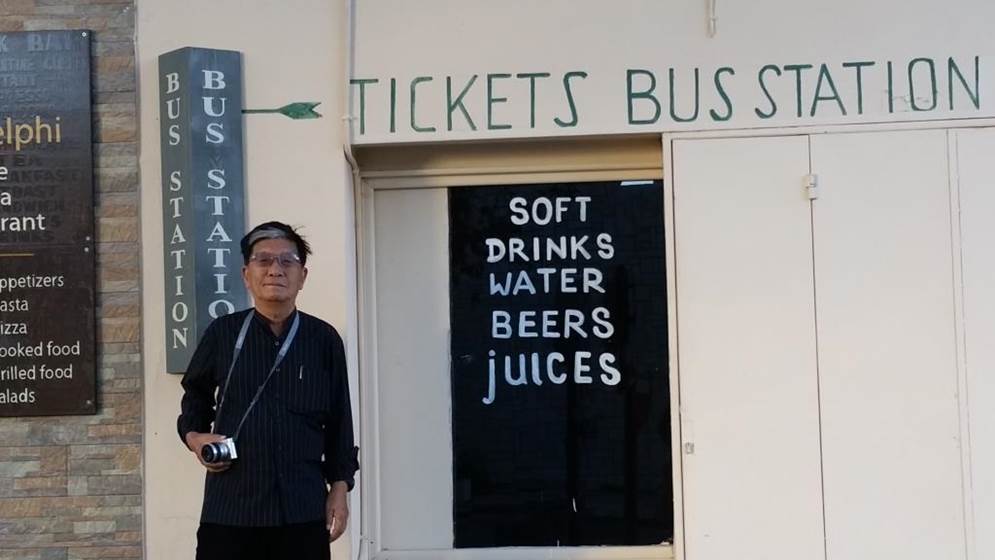
Photo of author, 2014
All photos by author, October 2014