JAP | ENG
Crete, Greece
October 2014
#1/2
Well, today I will take a taxi to Piraeus, the outer port of Athens, and take a ferry from the port city to Crete.
With a sailing distance of about 330 kilometers, it is a 9-hour overnight ferry.

Night view of the port of Piraeus at around 9pm.
There were many ships moored on the cliffs, and the signboards seemed inadequate, so I had a hard time finding the ship bound for Crete.

Photo by author, 2014
It is a large ship. It’s been a long time since I’ve been on a boat trip.
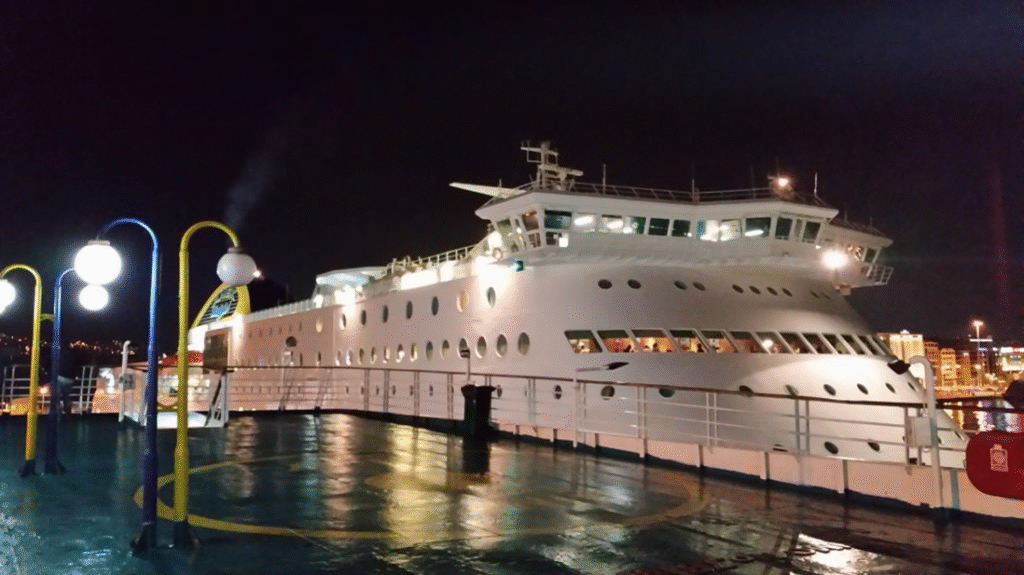
Photo by author, 2014
Port of Piraeus
It is the largest port in Greece and the largest passenger port in Europe, serving 20 million people a year. It is also the second largest passenger port in the world.
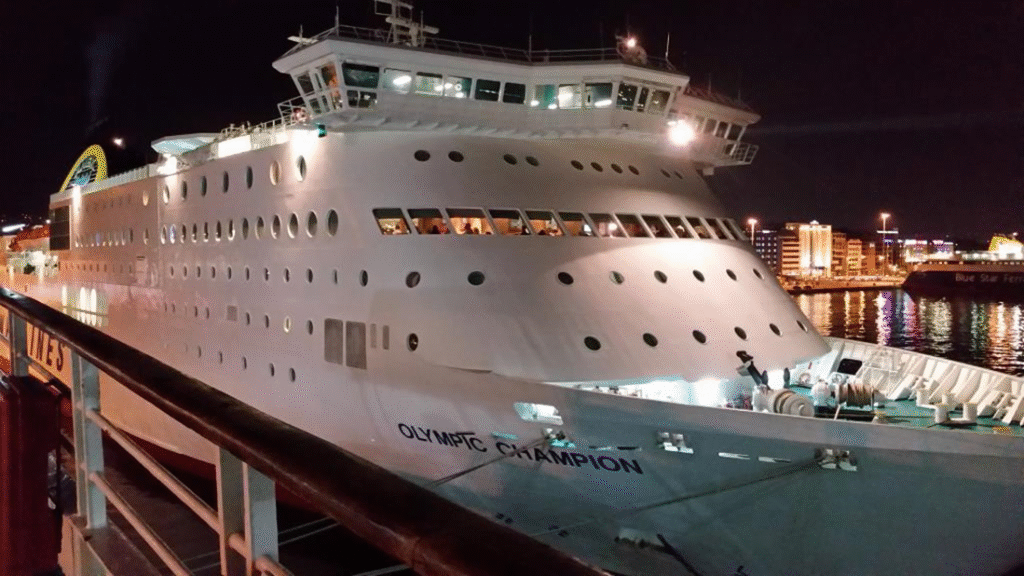
Photo by author, 2014
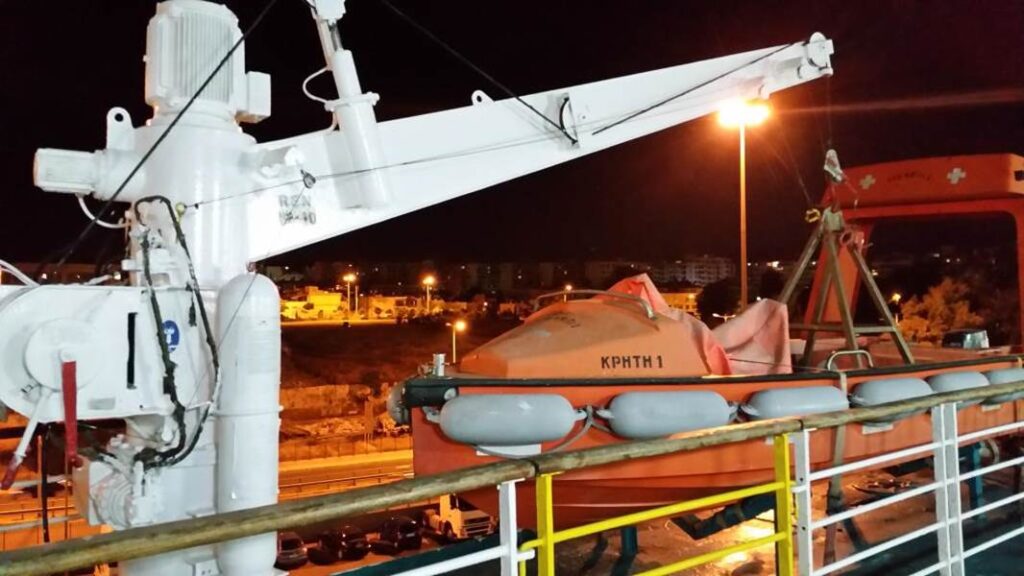
Photo by author, 2014
Passengers boarded from the stern of the ship.
I had always assumed that passengers boarded from a gangway, so this was my first time seeing such a thing, and I was a little confused here as well.
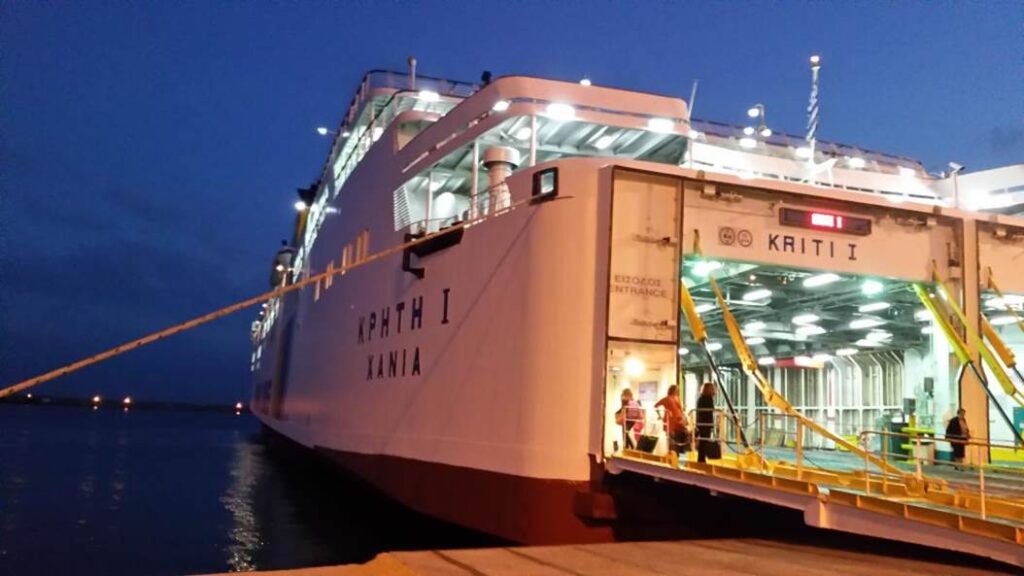
Photo by author, 2014
It takes about an hour to travel between Athens and Crete by plane, but I decided to take a boat trip, feeling the thrill of being rocked by the waves of the Aegean Sea.
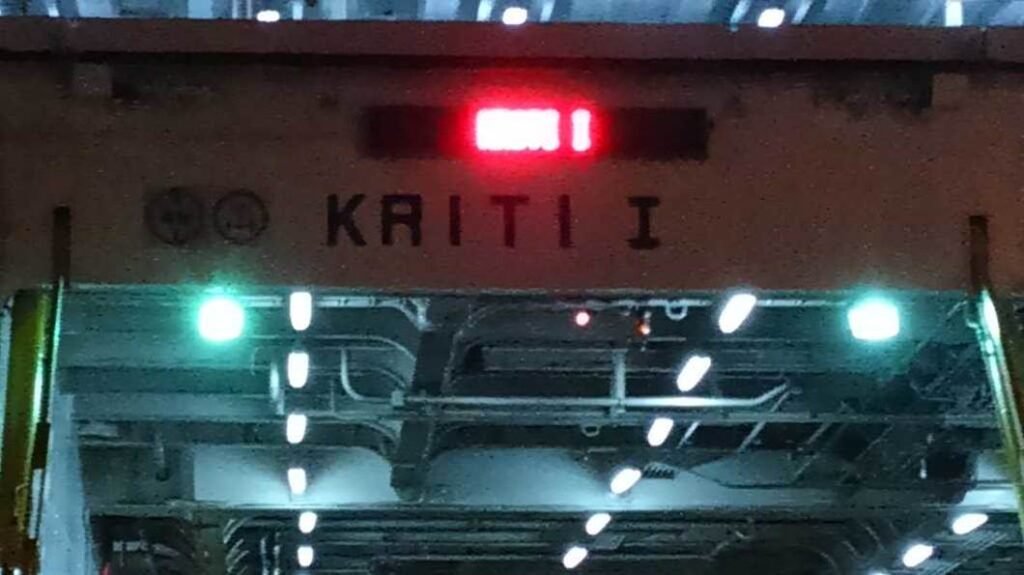
Photo by author, 2014
I was relieved to get on board!
All that was left was to sleep in my cabin.
We were scheduled to land in the city of Heraklion on Crete the next morning.
First, I had a toast with Greek beer and snacks on the upper deck.
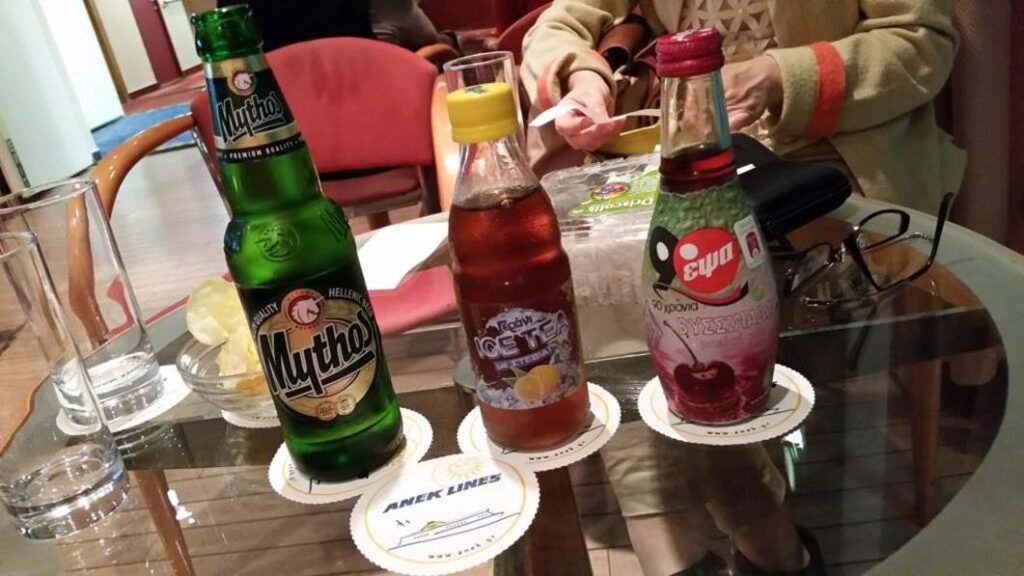
Photo by author, 2014
A view of the general cabin. There are 4 bunk beds and a toilet.
It was rather clean.

Photo by author, 2014

Photo by author, 2014
Arrival in Crete.
The ship entered the port of Heraklion, Crete, at dawn in the early morning.
The night before, as I had been scrambling to find the ship on the docks of Piraeus, I overslept in the morning due to fatigue and the comfort of the voyage.
There were several announcements and reminders to disembark.
We were the last to disembark. Thanks to this, I was able to have a casual conversation with the captain and crew just before disembarking, and I was able to take a commemorative photo.
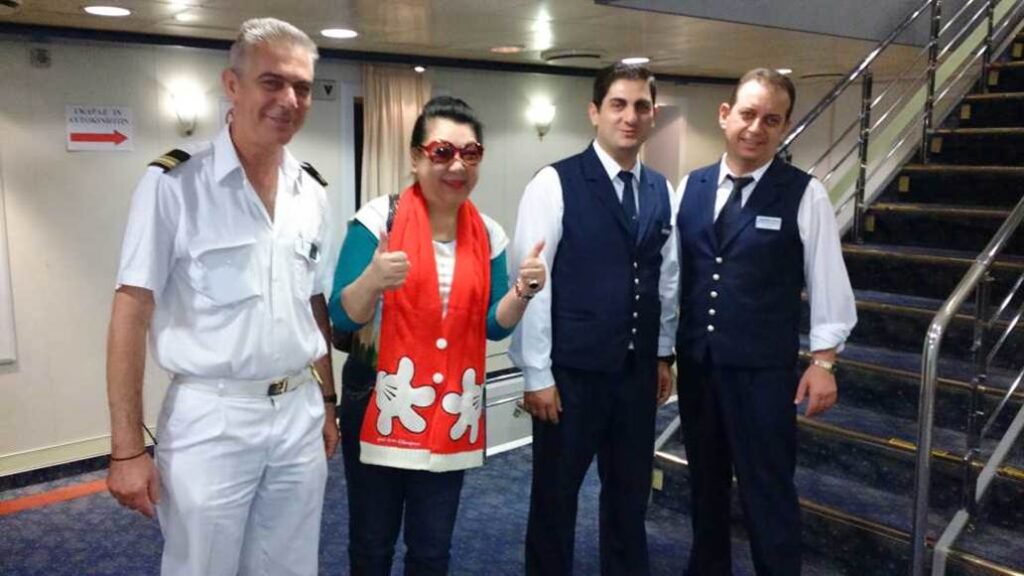
Photo by author, 2014
Crete Island
Crete is located at the southern tip of the Greek Aegean Sea and is the largest Greek island in the Mediterranean. With an area half the size of Shikoku (an island in Japan), it has a population of 500,000. It is the place where the ancient Minoan (Minos) civilization, one of the oldest civilizations in Europe, flourished.
The Minoan civilization (Cretan civilization) existed before the ancient civilization of mainland Greece. Its representative archaeological site, the Palace of Knossos, is located about 5 kilometers southeast of the city of Heraklion, and visiting it is my main purpose going to Crete Island.
Heraklion
With a population of about 140,000, it is the largest city on the island of Crete (the fourth largest in all of Greece) and is the capital of the Crete region.
At the beginning of the 13th century, it came under the control of Venice, which was growing in power. Today, Venetian fortresses still can be seen.
After more than two decades of siege, the Ottomans captured the city in 1669. After the Greek War of Independence, it became a Greek territory at the beginning of the 20th century.
Lato Boutique Hotel
The hotel, which I booked directly online, was within walking distance of the port, as well as the town center and the bus stop to Knossos.
The layout of the hotel’s standard floor is just as irregular as the hotels in Athens. Our guest room is in green.

Photo by author, 2014
The road in front of the hotel seen from the window of the guest room.
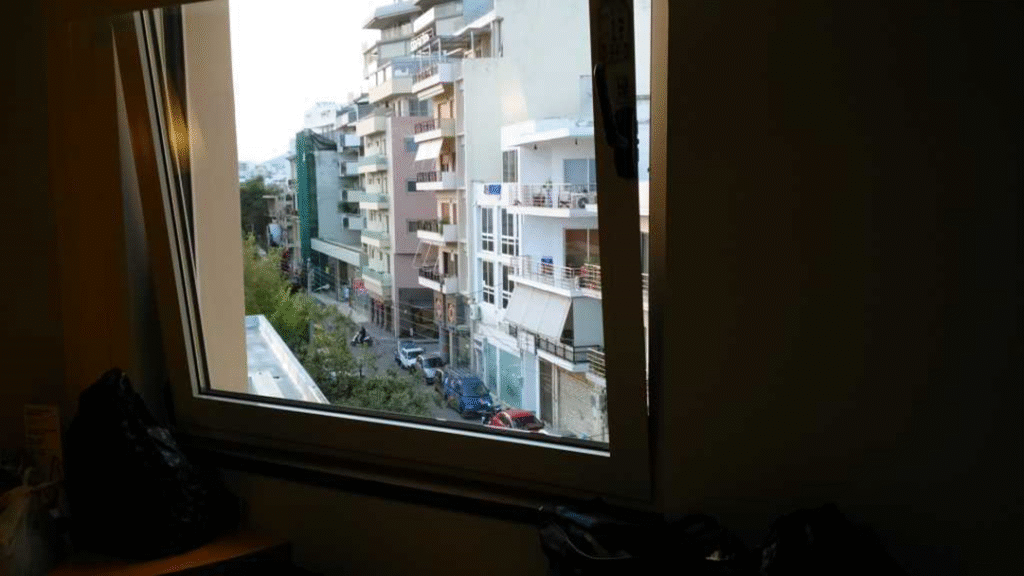
Photo by author, 2014
View of Heraklion Harbour from the hotel rooftop
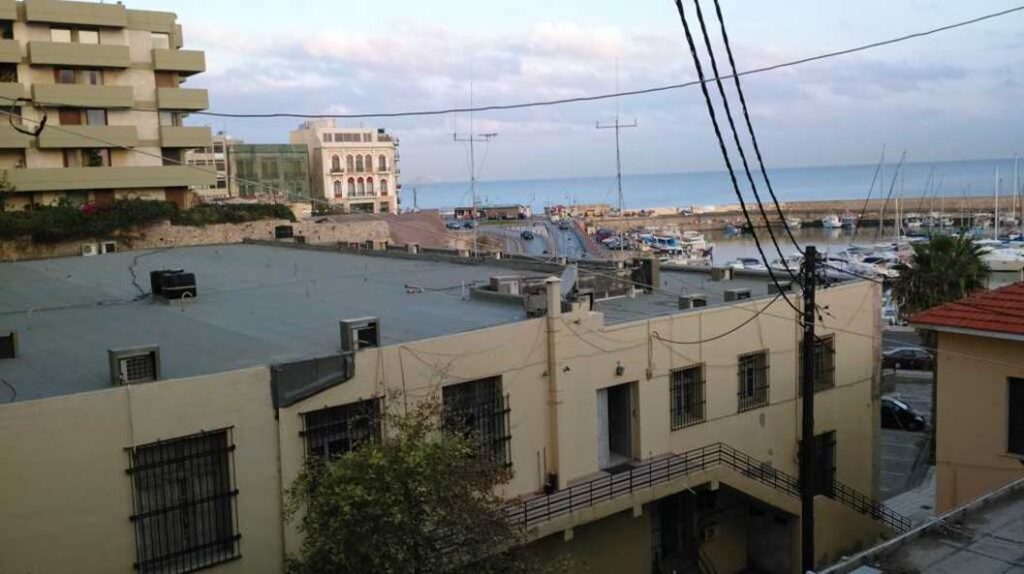
Photo by author, 2014
I was able to check in early in the morning, leave my luggage at the hotel, and immediately walk around the city.
The road in front of the hotel. After walking for a while, I reach the main street called Avgoustou Street.
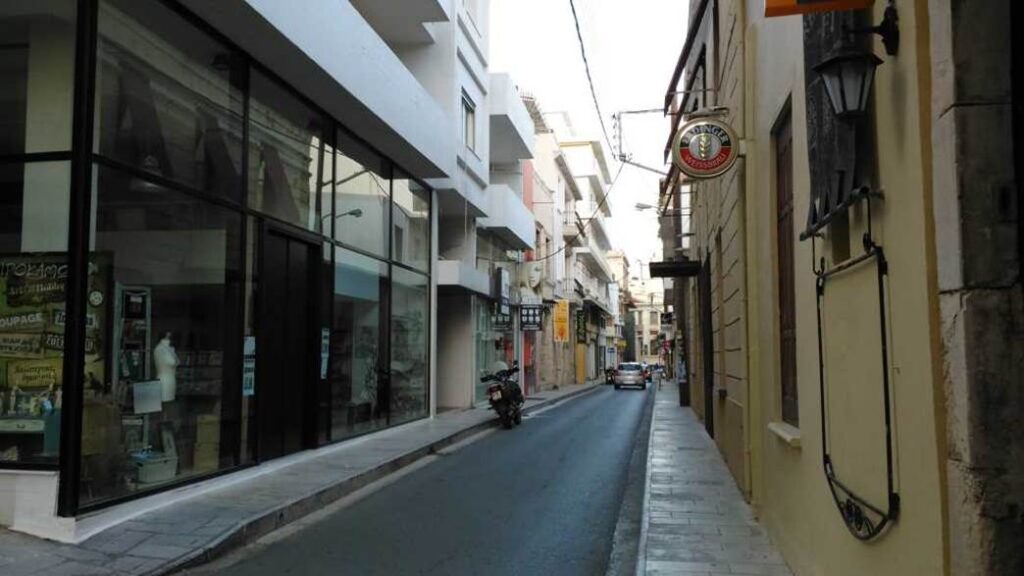
Photo by author, 2014
Avgoustou Street
Avgoustou Street, connects the port of Heraklion to the city center.
It is a gentle sloped avenue, with the port to the north, which is the starting point of the street.
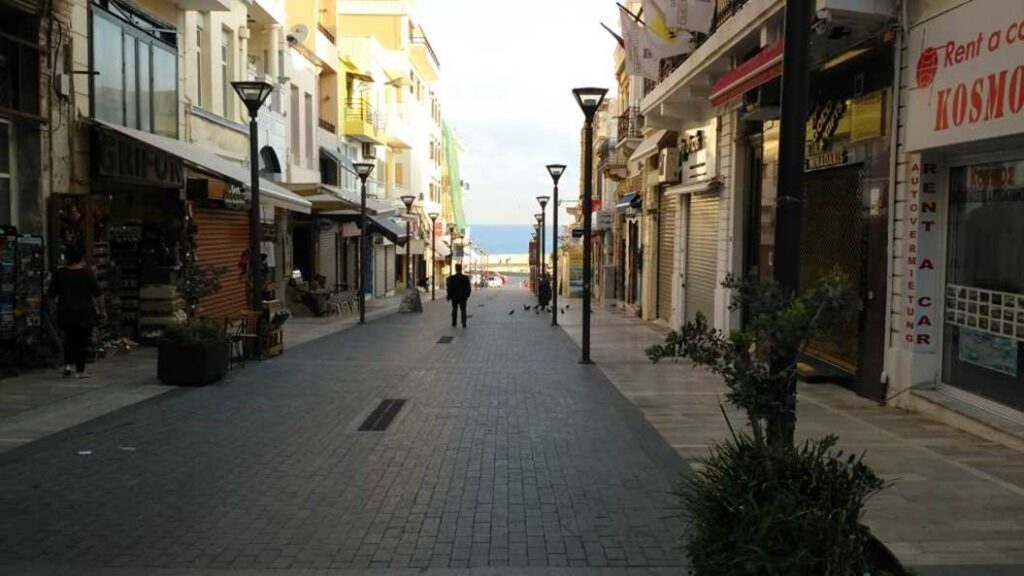
Photo by author, 2014
As I walked up the main street to the south, I saw an old abandoned building.
I thought that if I could renovated it, it would be quite a treasure.
I continue walking earnestly toward the center of the city
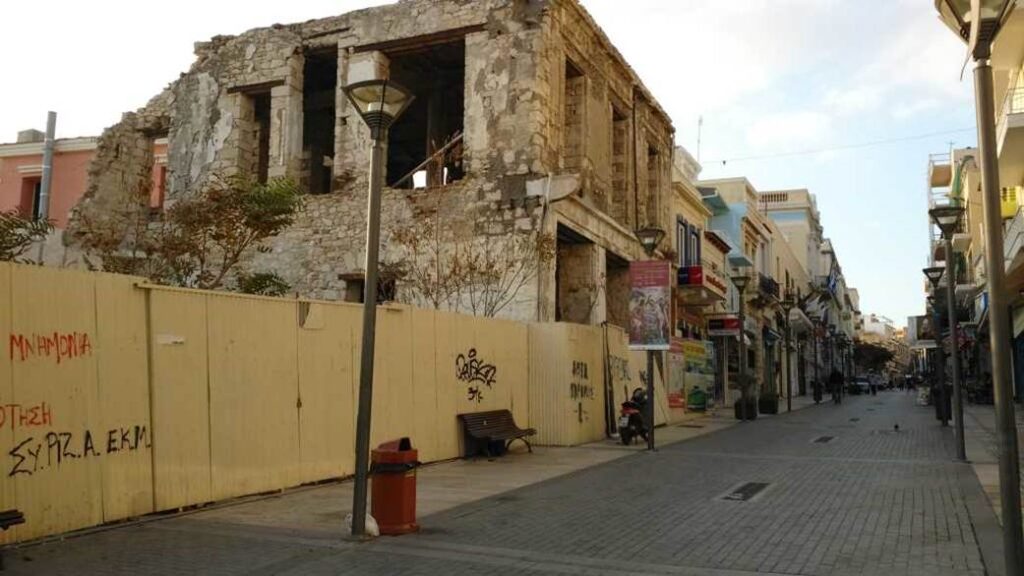
Photo by author, 2014
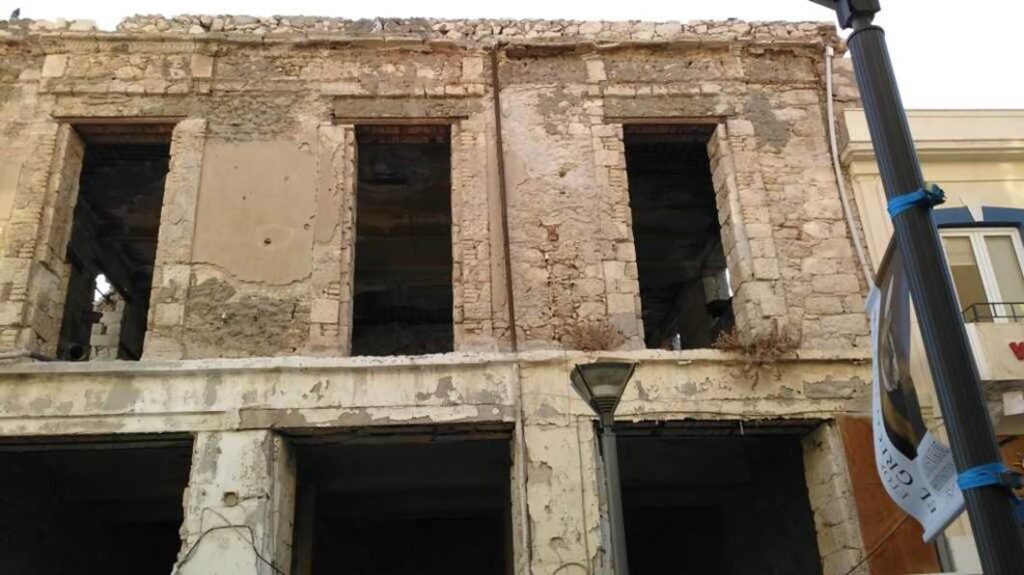
Photo by author, 2014
I found a banner of the world-famous Spanish painter El Greco (1541-1614) hanging on the main street.
Yes, he was born here in Heraklion on the island of Crete during the Venetian rule. He later travelled through Italy to Spain, and became famous in Toledo.
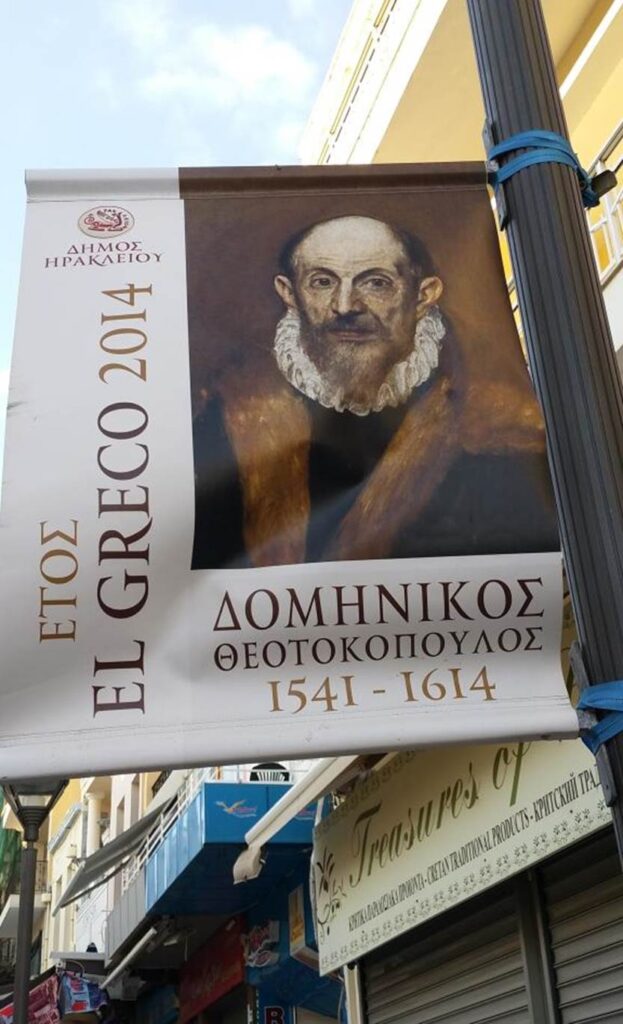
Photo by author, 2014
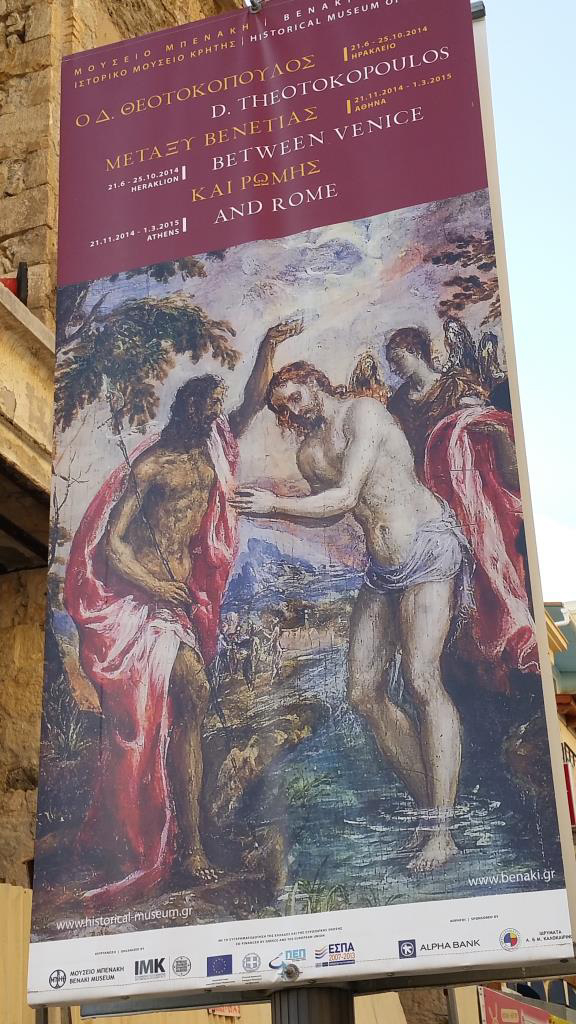
Photo by author, 2014
Church of Agios Titos, Heraklion
Agios Titus was a Greek who was a disciple and collaborator of Paul.
According to tradition, Titus was appointed bishop of Crete by Paul and became the patron saint of Crete, and died in Crete at the beginning of the 1st century.
The church was built during the Byzantine conquest of Crete in the 10th century.
It is considered to be the oldest church in Heraklion.

Photo by author, 2014
The church was destroyed twice, once in a fire in the 14th century and then in an earthquake in the 15th century. It was later rebuilt in accordance with the original and became the Catholic Cathedral of Heraklion.
After Heraklion fell to the Ottoman Turks, it became a mosque. The building was destroyed in a major earthquake in 1859, but was later rebuilt to its original state.
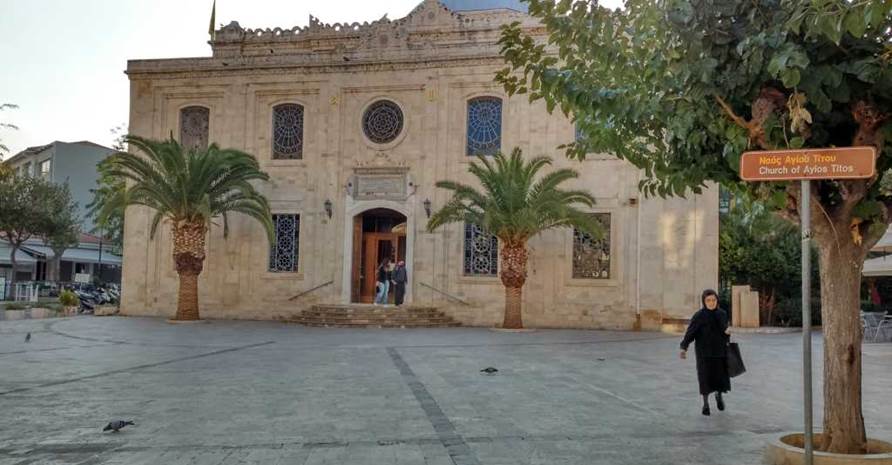
Photo by author, 2014
I found a cafe right across from the Church of Agios Titus.
This is a prime location for street observation.

Photo by author, 2014
I decided to have a salad as my breakfast and observe the road in front and the church. The people of Crete live at their own pace. They live in a natural and social environment that is stress-free
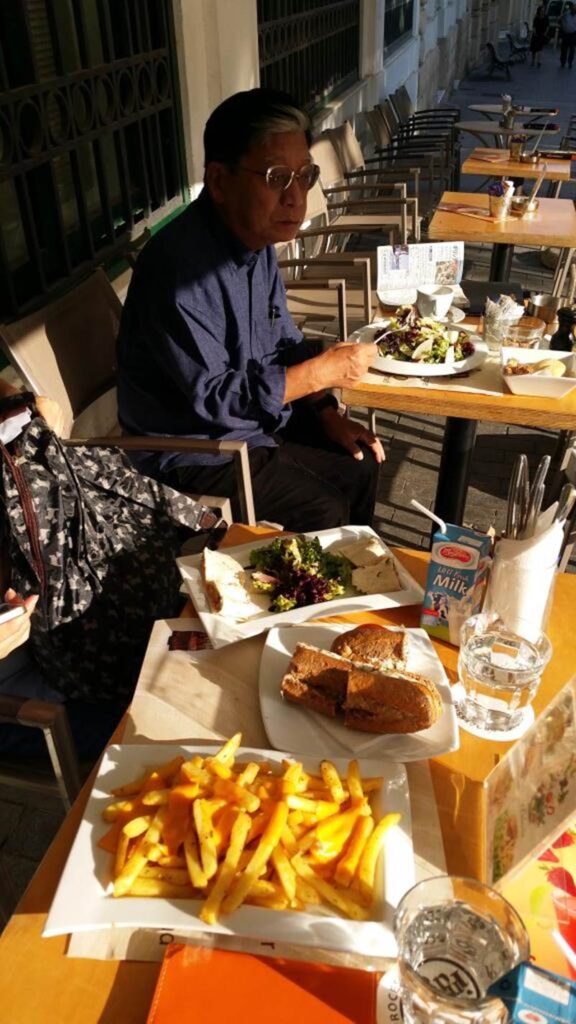
Photo of author, 2014
Heraklion City Hall
This city hall was originally a social gathering place for merchants in the Venetian era.
It is considered one of the finest monuments left by the Venetians in Crete.
The Greek flag hangs on the front of the building.
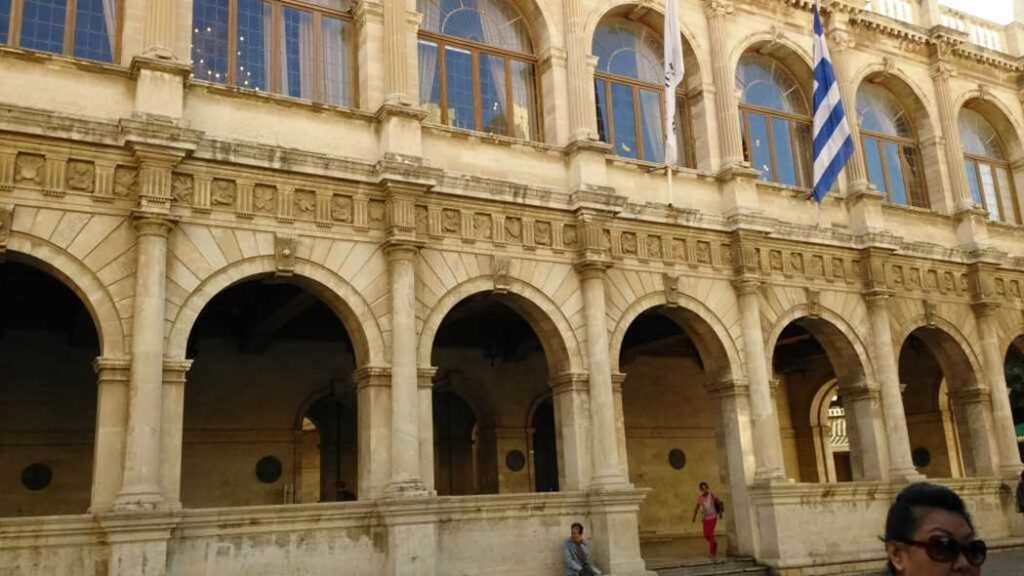
Photo by author, 2014
This gentle climb leads to the bustling city centre.
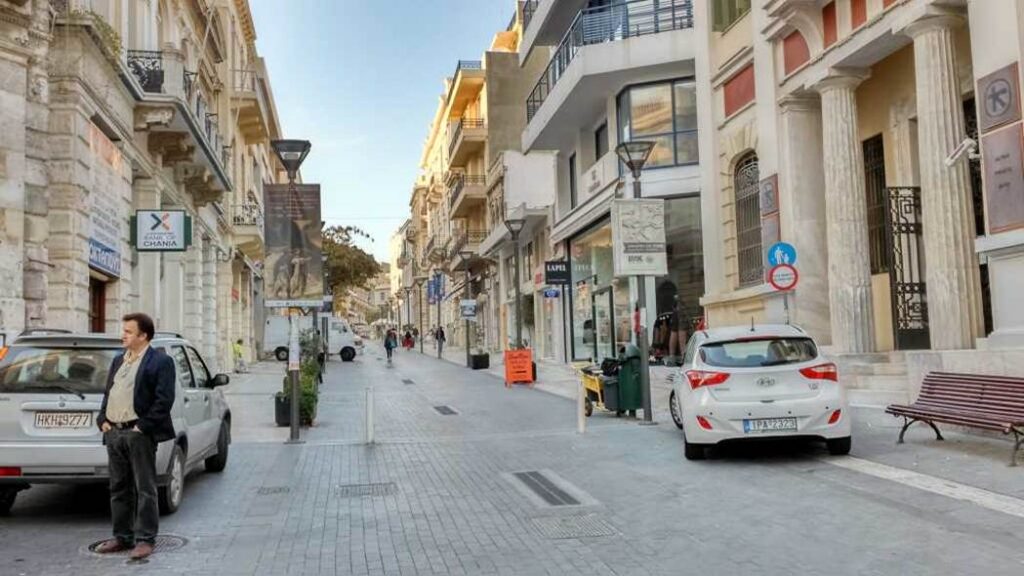
Photo by author, 2014
Morosini Fountain in Venizelos Square
We arrived at the square with the Morosini fountain.
It is said to be a Venetian fountain built in 1628 by Franceso Morosini, commander of Venice.
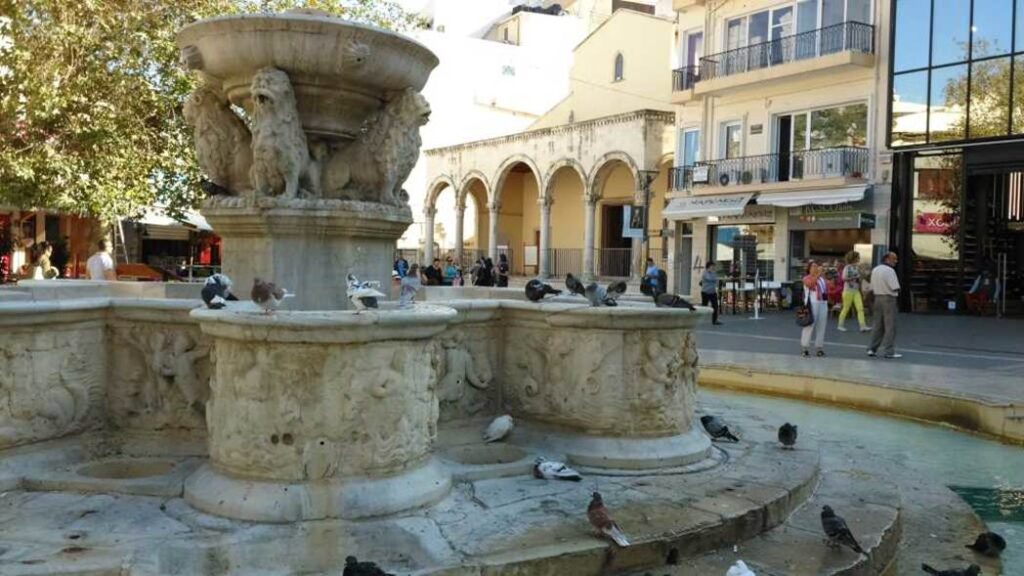
Photo by author, 2014
The downtown area of Heraklion.
Despite being a remote island, supplies seem to be plentiful.
The area is frequented by many tourists and locals.
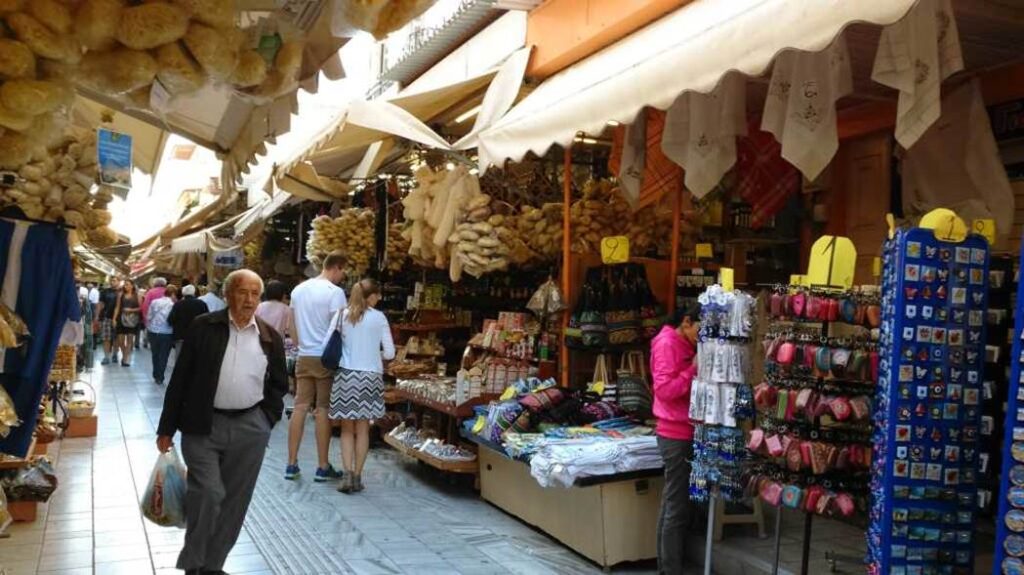
Photo by author, 2014
Heraklion Port
A map showing the relative locations of the Venetian fortress, Mediterranean restaurants , hotels , etc.

After a quick tour of the city, I returned to the port area.
Along the seaside, buildings built in different eras coexist in a small space.
It is a significant scene.
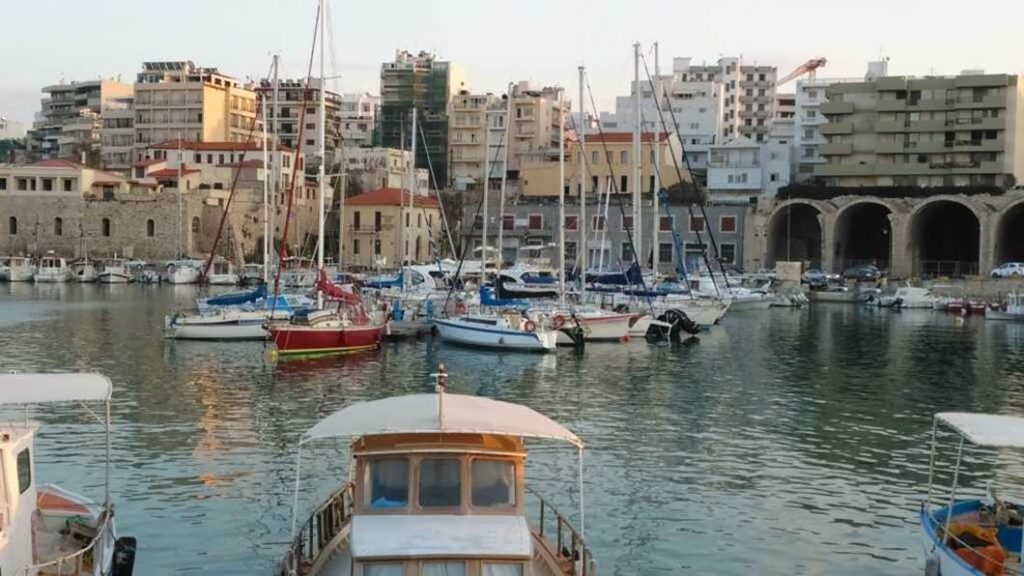
Photo by author, 2014
Venetian Fortress Rocca a Mare Fortress
In the early 13th century, it came under the control of Venice, which was expanding its Crusader power, and a fortress built by the Venetians in the 16th century remains from the Venetian period. I spent the whole day walking around the city of Heraklion and the Knossos ruins, and finally arrived at Heraklion port in the evening.
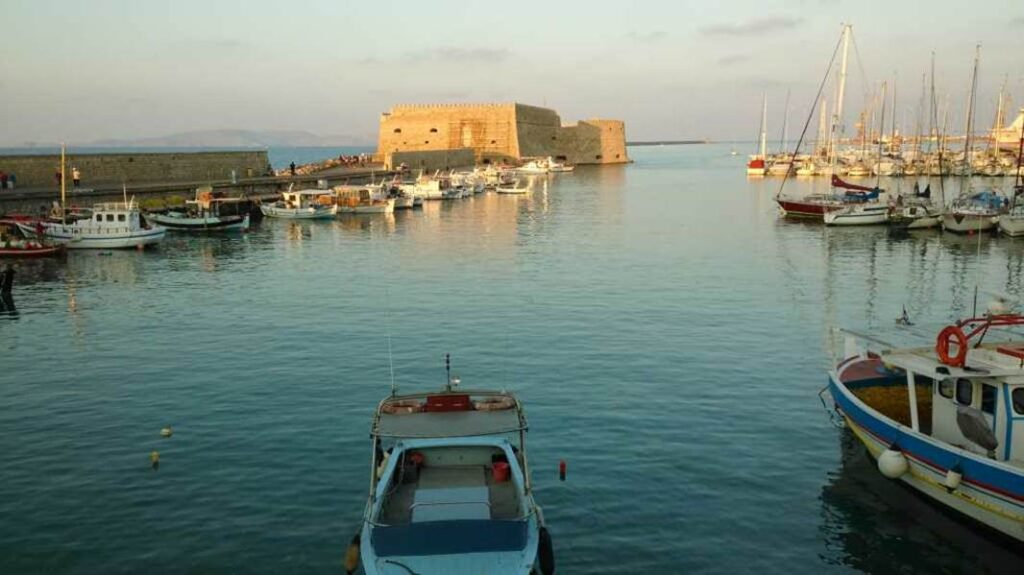
Photo by author, 2014

Photo by author, 2014
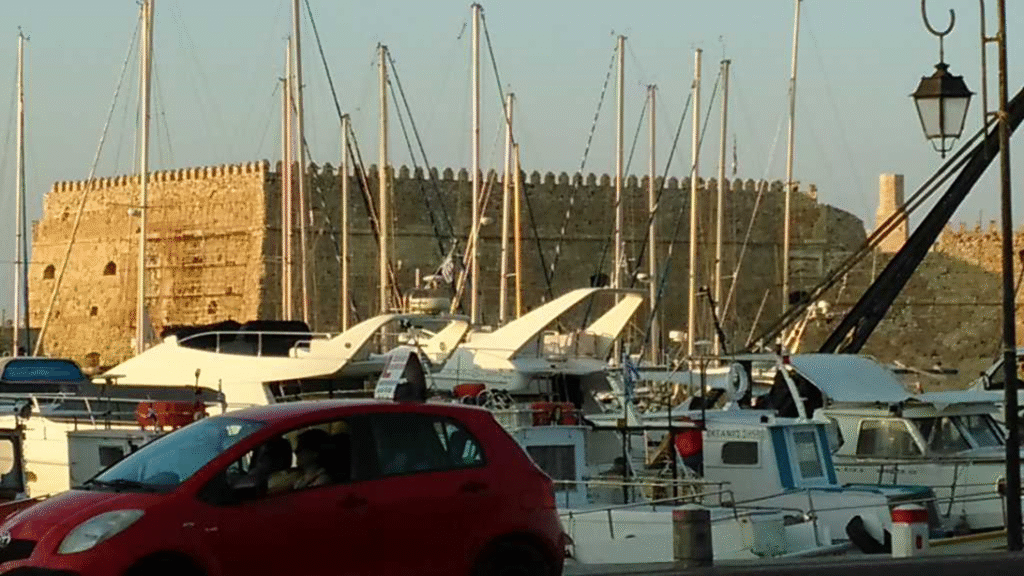
Photo by author, 2014
The fortress of Venice in the sunset. A photo I’m proud of.
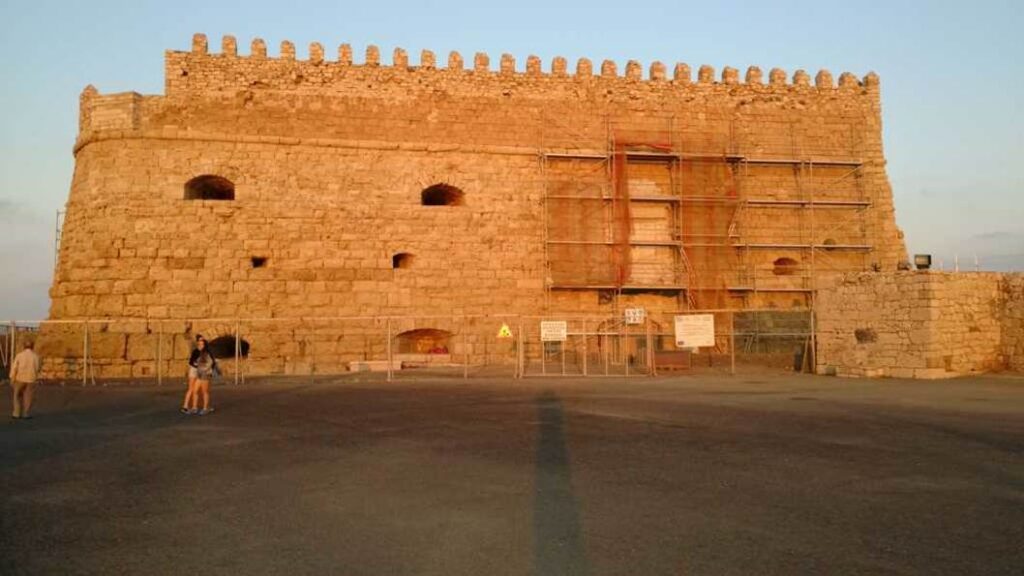
Photo by author, 2014
Sunset in Crete
About 900 km from here is the Italian island of Sicily. I was overwhelmed with emotion while watching the sunset in the middle of the Mediterranean.
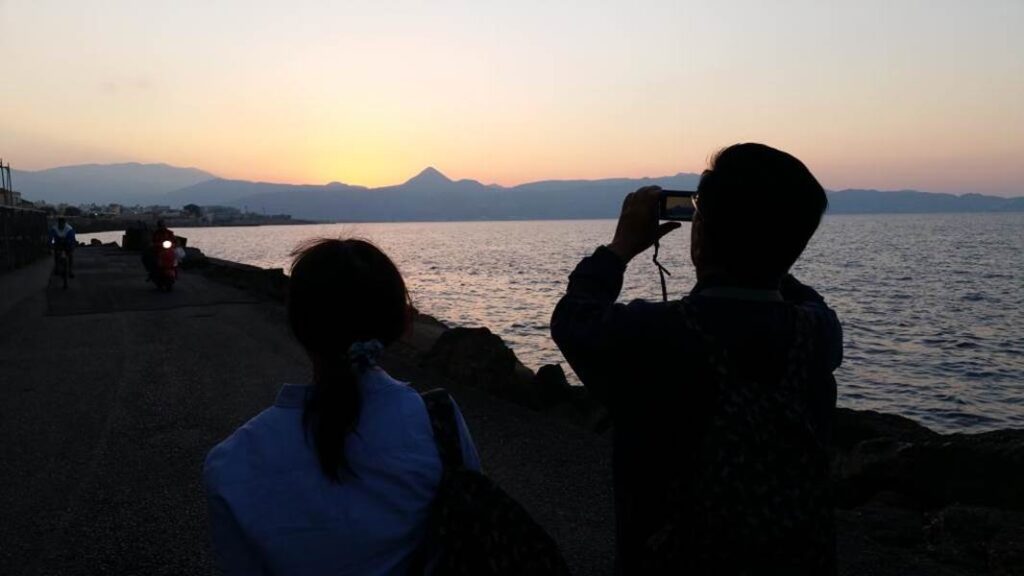
Photo by author, 2014
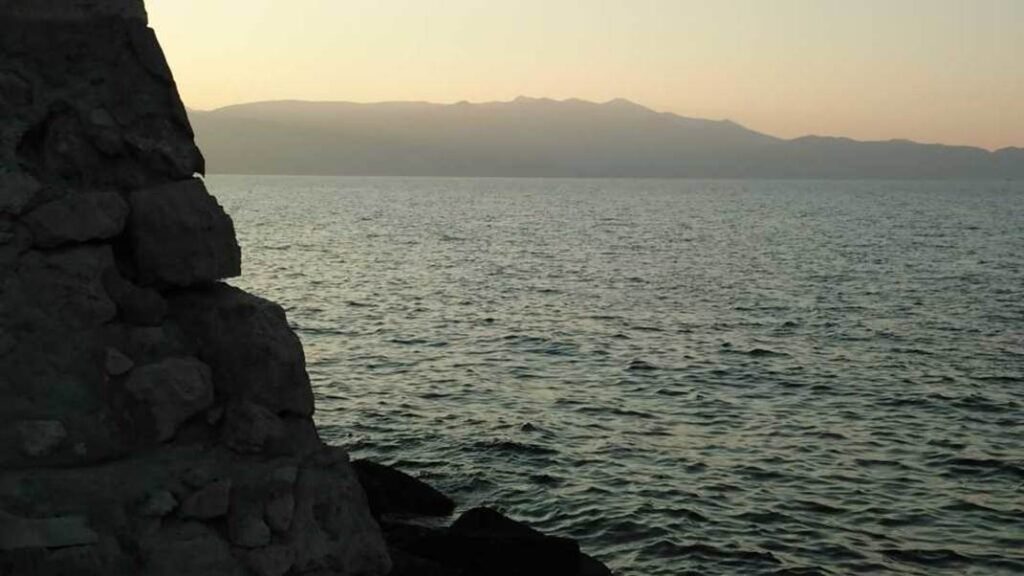
Photo by author, 2014
“Mediterranean diet”
The island of Crete, Greece, is famous for its olive oil. It is also famous for its “Mediterranean diet”, which is said to be the secret to longevity.
After sunset, I was able to secure the only remaining table seat on the outdoor terrace of this thriving restaurant that I found by chance.
Dinner is served in the gentle night breeze of Crete.
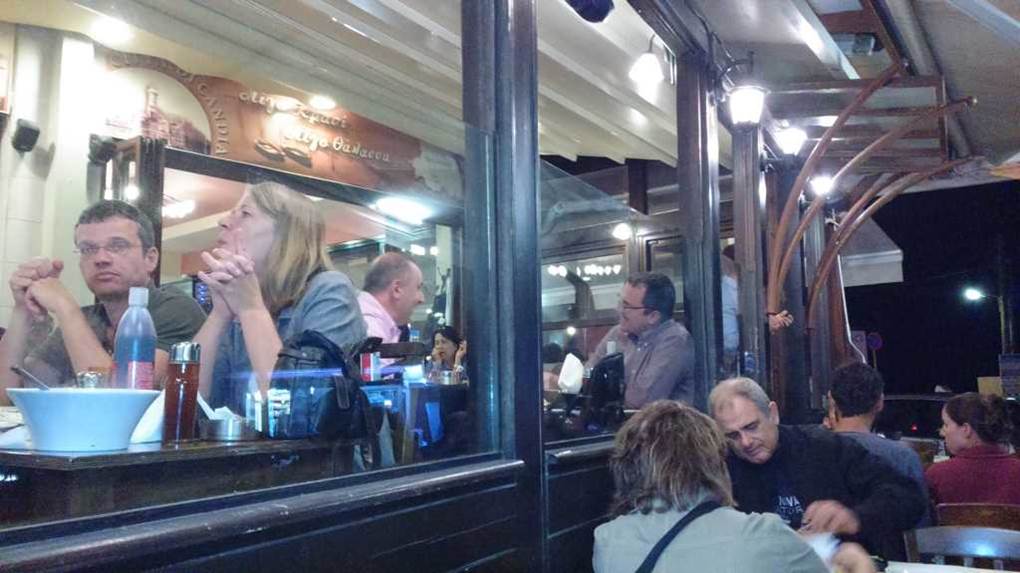
Photo by author, 2014
First, various types of bread are laid out on the table, and you dip them in plenty of olive oil before eating.
In Crete, olive oil is used in almost all dishes. According to a study that looked at the number of deaths from heart disease in countries around the world, there were regions where the number of deaths was extremely low.
That is the island of Crete, Greece.
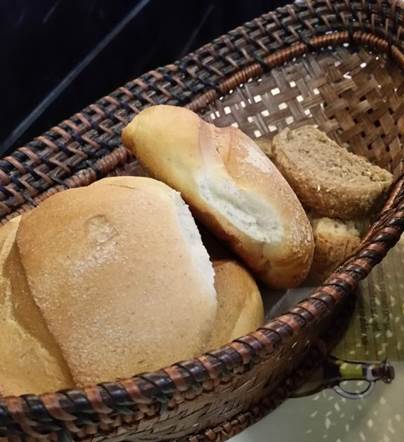
Photo by author, 2014
I ordered a generous glass of Cretan white house wine, which was a bargain at just 2 euros.

Photo by author, 2014
A whole octopus leg grilled.

Photo by author, 2014
Grilled sardines.
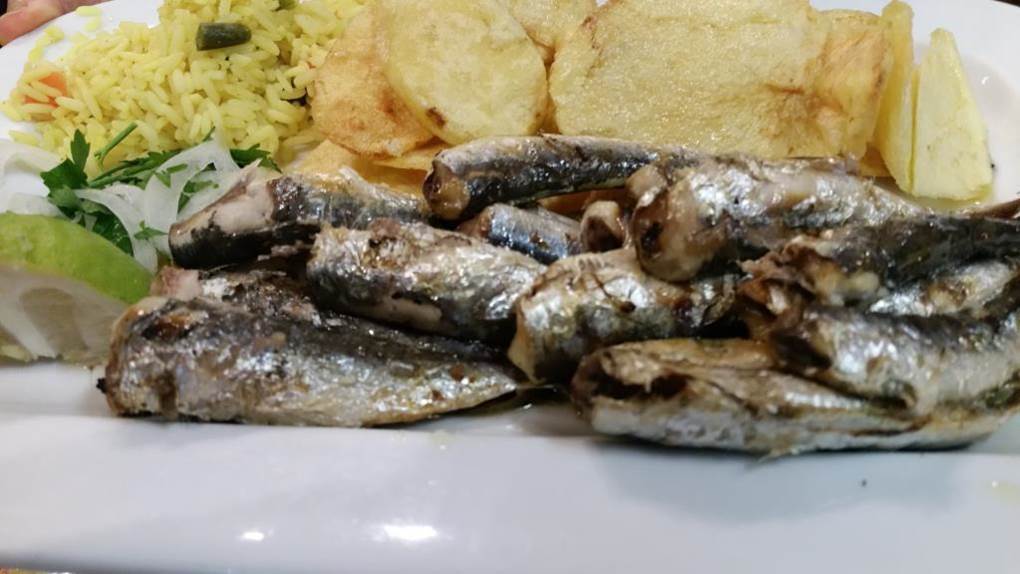
Photo by author, 2014
Local fish filleted and marinated in sauce and olive oil.

Photo by author, 2014
Abundant shellfish from the Aegean Sea.
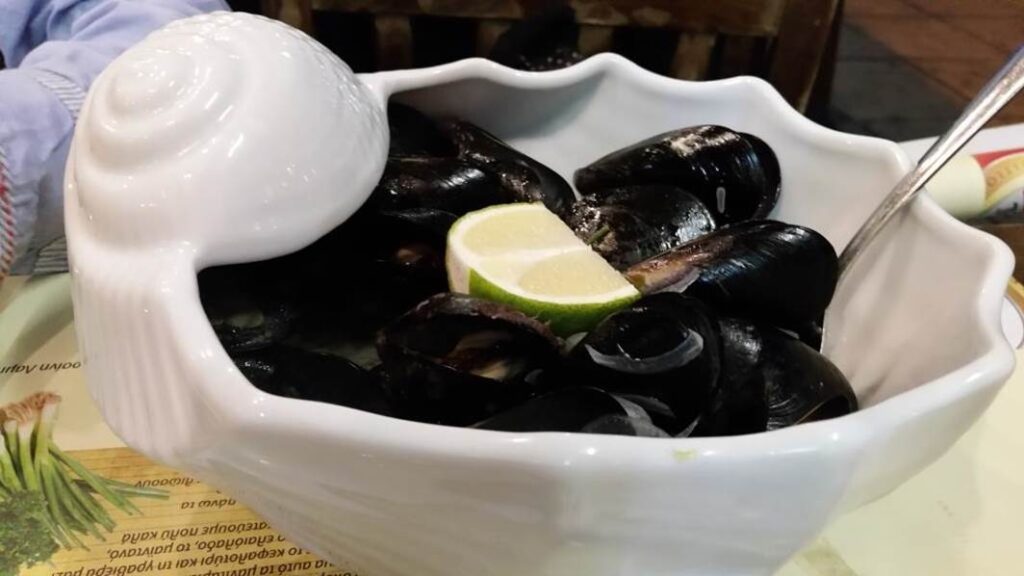
Photo by author, 2014
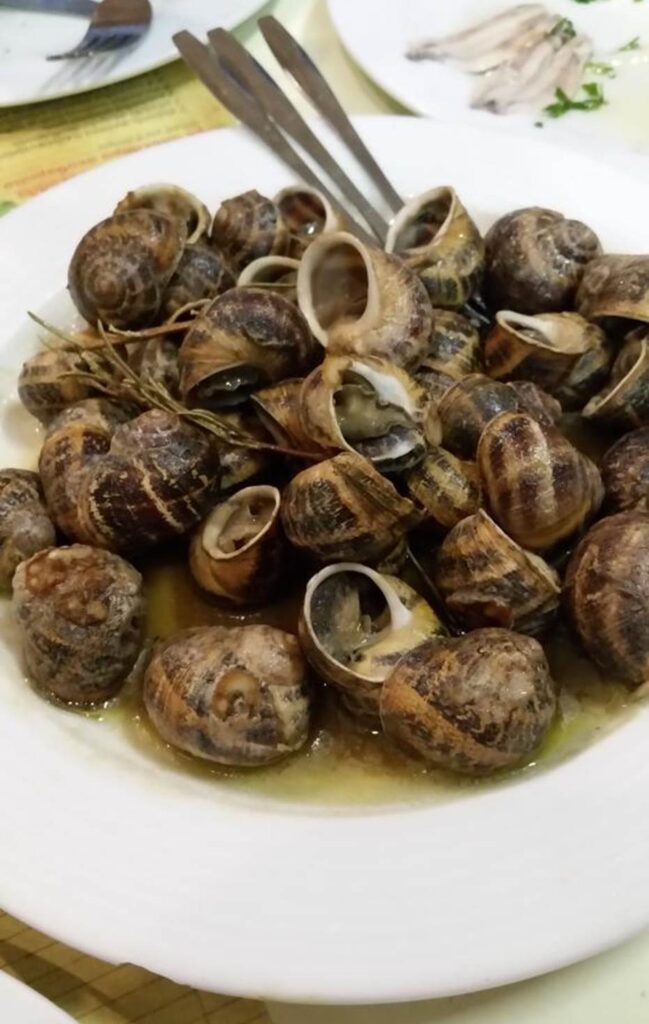
Photo by author, 2014
Dinner at this random restaurant was a perfect end to our day in Crete.
All photos by author, October 2014