JAP |ENG
Seville, Spain
October 2013
#2/2
Bullring
Bullfighting is the sport that the Spanish people are most passionate about. However, in neighboring Portugal, bullfighting is almost unheard of.
I also heard that there are bullrings in Mexico, a former Spanish colony in Central and South America, but it is interesting that Brazil, which was a former colony of Portugal, has no bullrings.
Spanish and Portuguese are very similar languages and feel like relatives.
But when it comes to bullfighting, there seems to be a clear line between the two countries, which is interesting culturally.
Maestranza Bullring
(Plaza de Toros de la Real Maestranza de Caballería de Sevilla)
This bullring is ranked as the best in Spain and can accommodate 12,000 people.
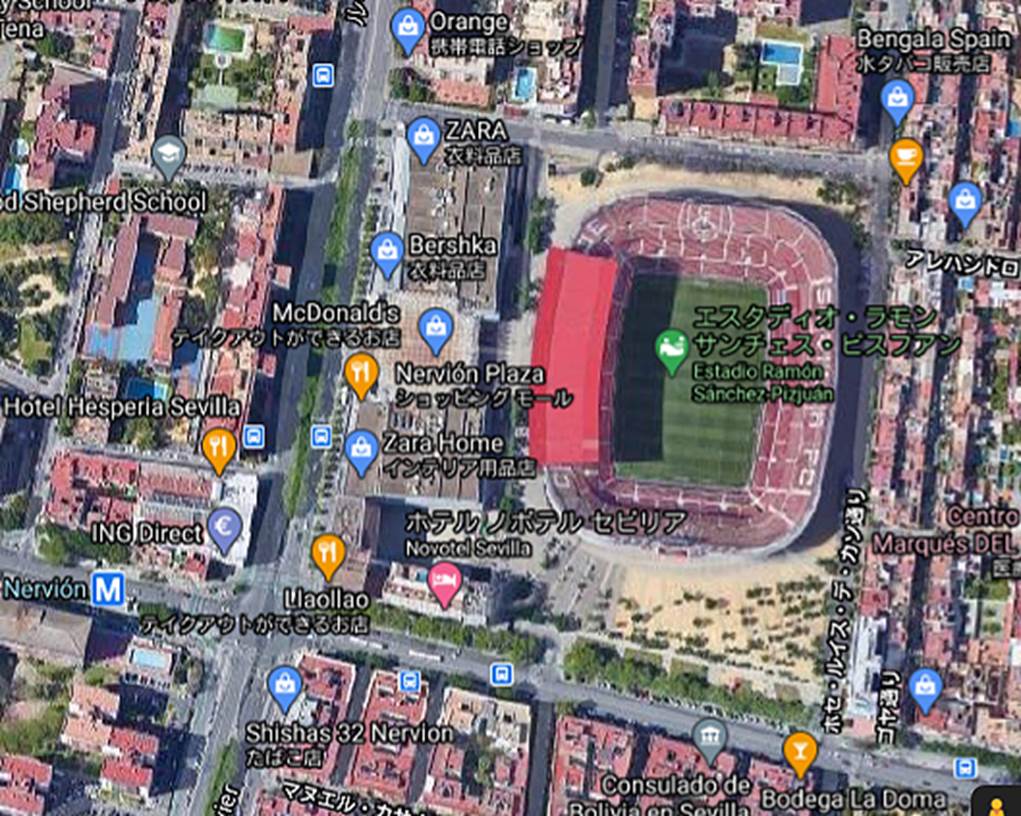
Every April, the world’s largest bullfighting tournament is held in Seville during its Spring Festival.
The arena was completed in 1881.
The main entrance gate, hidden by the bus, is located below the center of the two round windows.
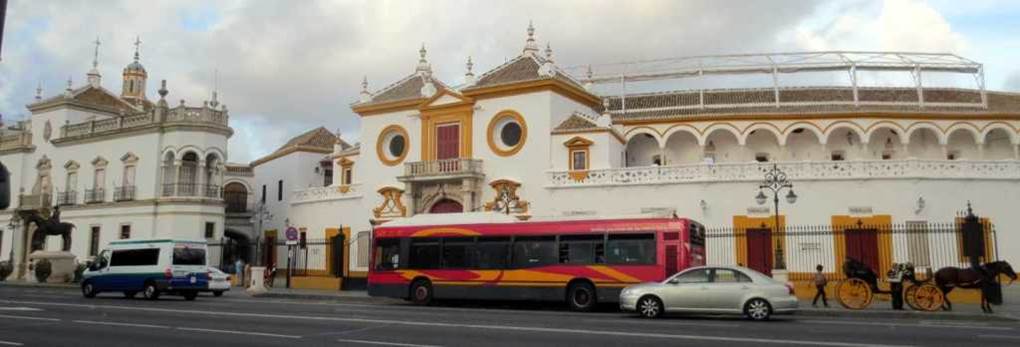
Photo by author, 2013
The main entrance door in front of the bullring.
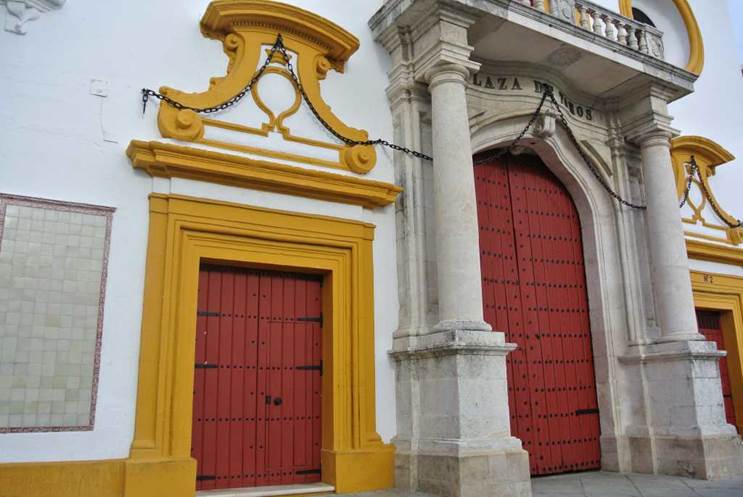
Photo by author, 2013
Entrance to the bullring gate. Visitors enter from here.
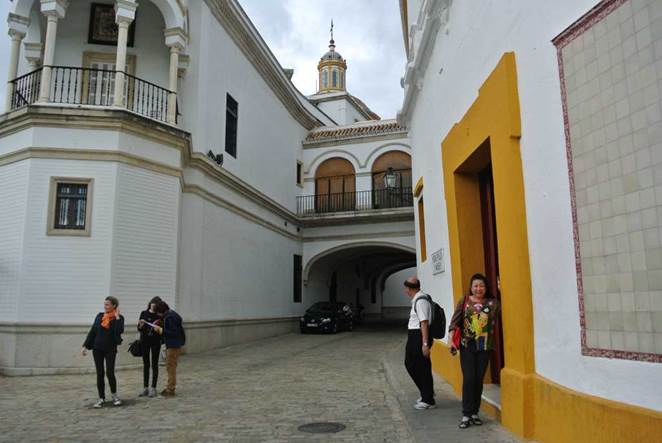
Photo by author, 2013
An old calendar of bullring events.
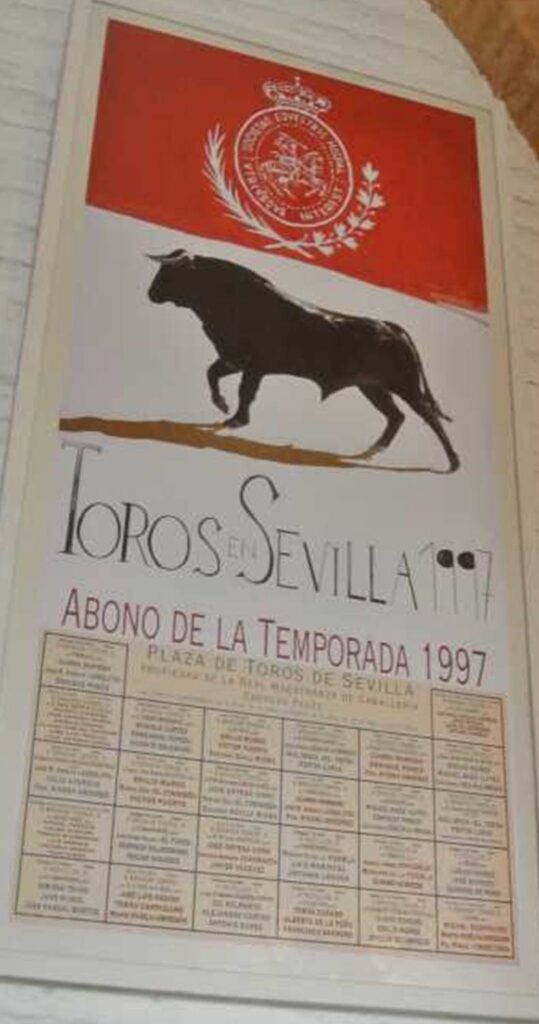
Photo by author, 2013
The colors of this poster are reminiscent of the Spanish flag.
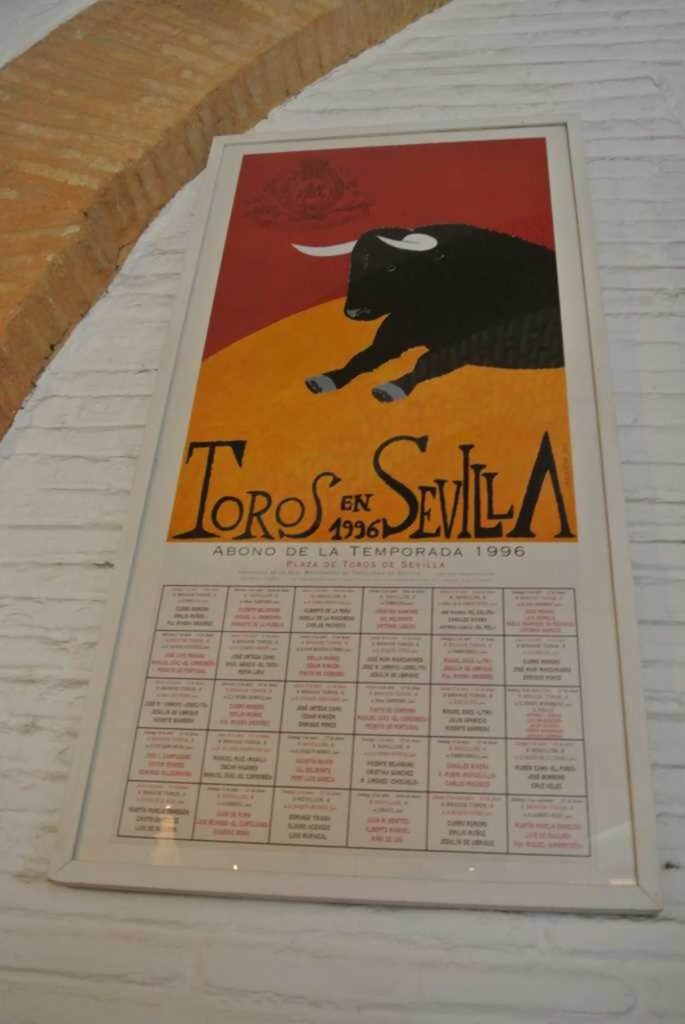
Photo by author, 2013
Wow! Olay! Olay!
I couldn’t help but feel excited when I saw the bullring and the stands for the first time.
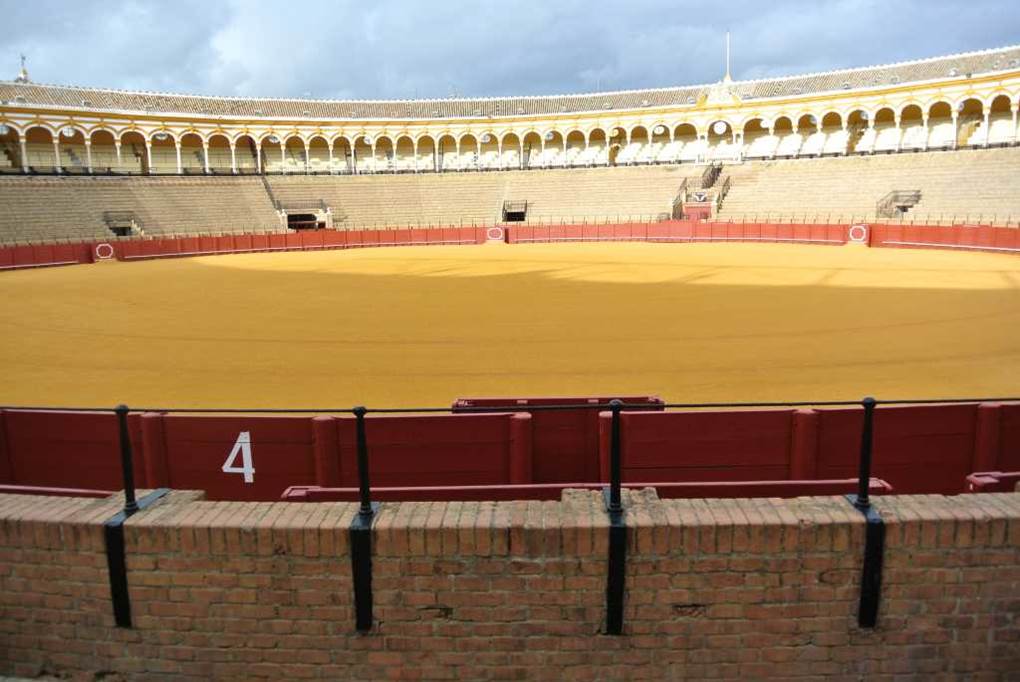
Photo by author, 2013
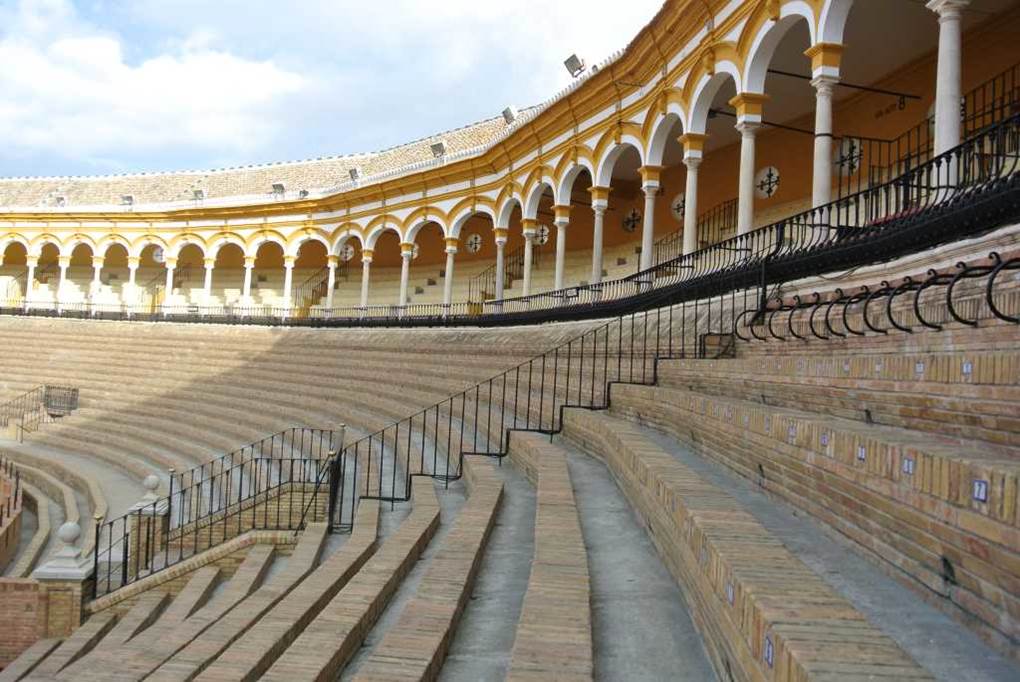
Photo by author, 2013
There are a few visitors in the huge bullring.
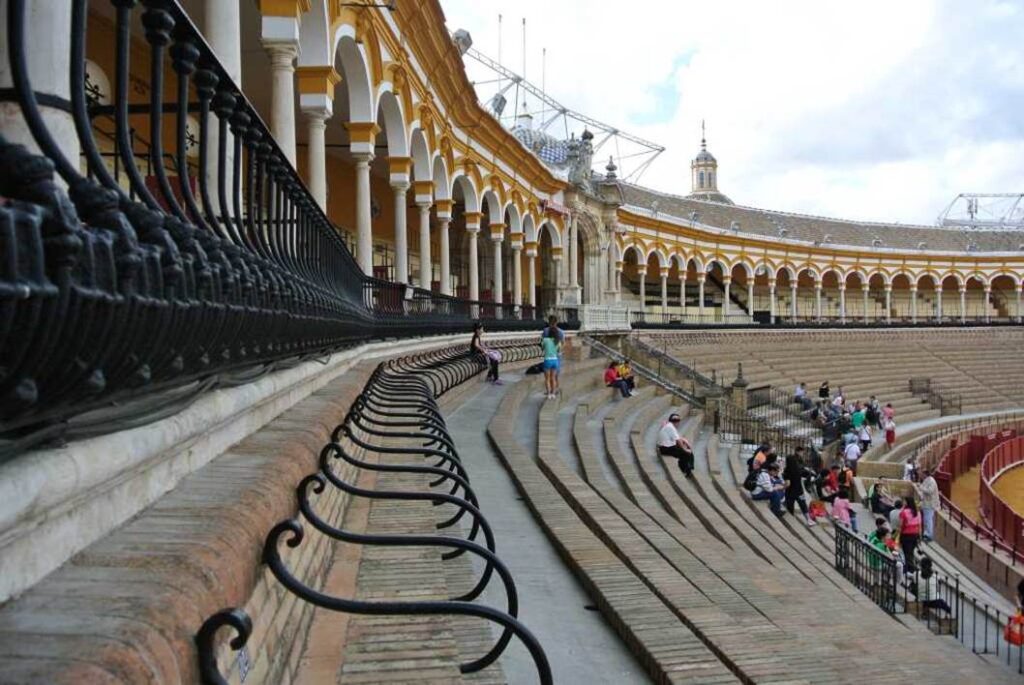
Photo by author, 2013
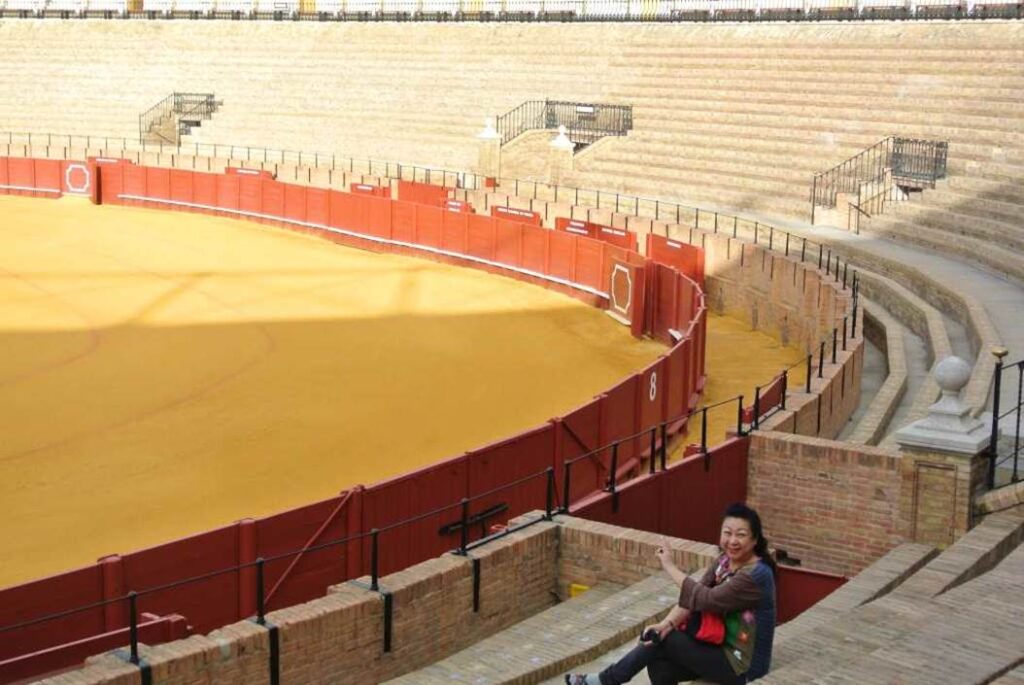
Photo by author, 2013
Empty audience seats. The upper part is thought to be the VIP seating area.
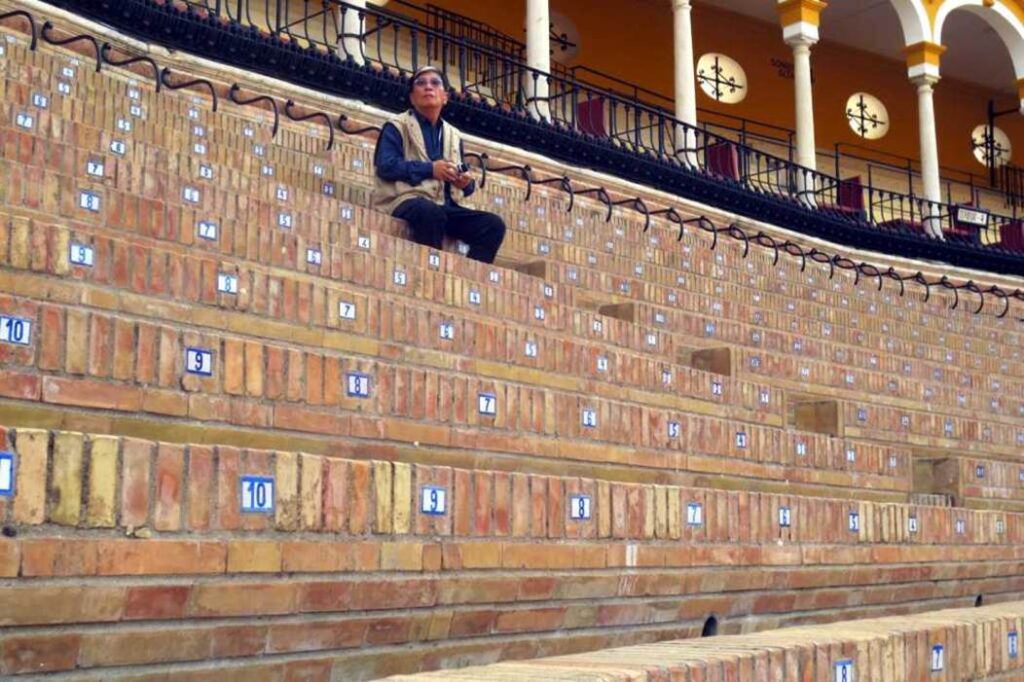
Photo of author, 2013
There is a special seating area at the top of the audience seats.
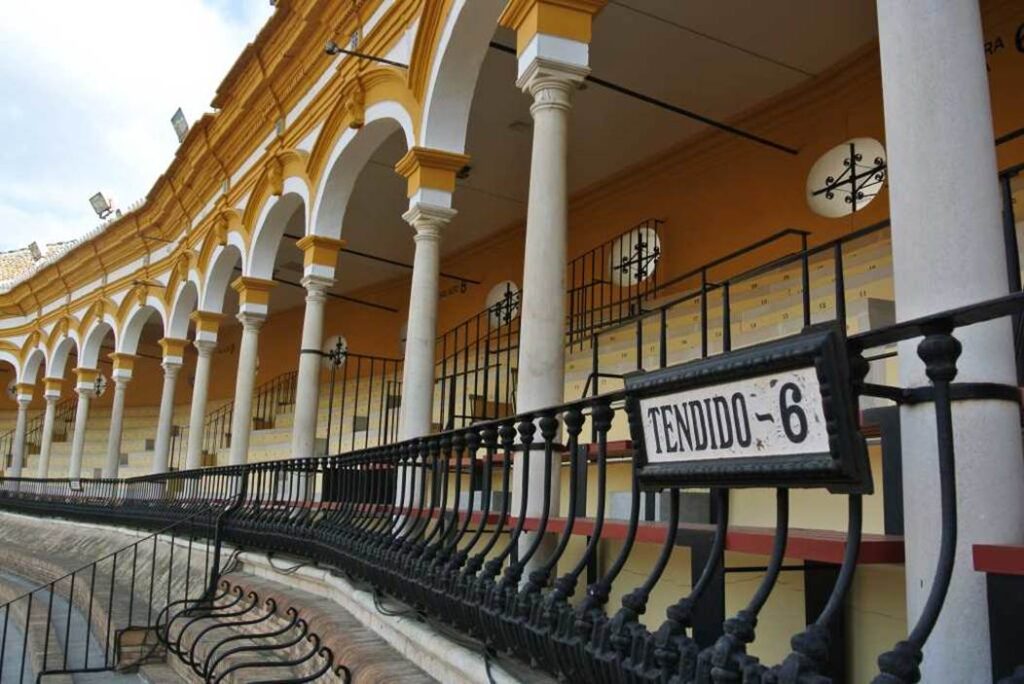
Photo by author, 2013
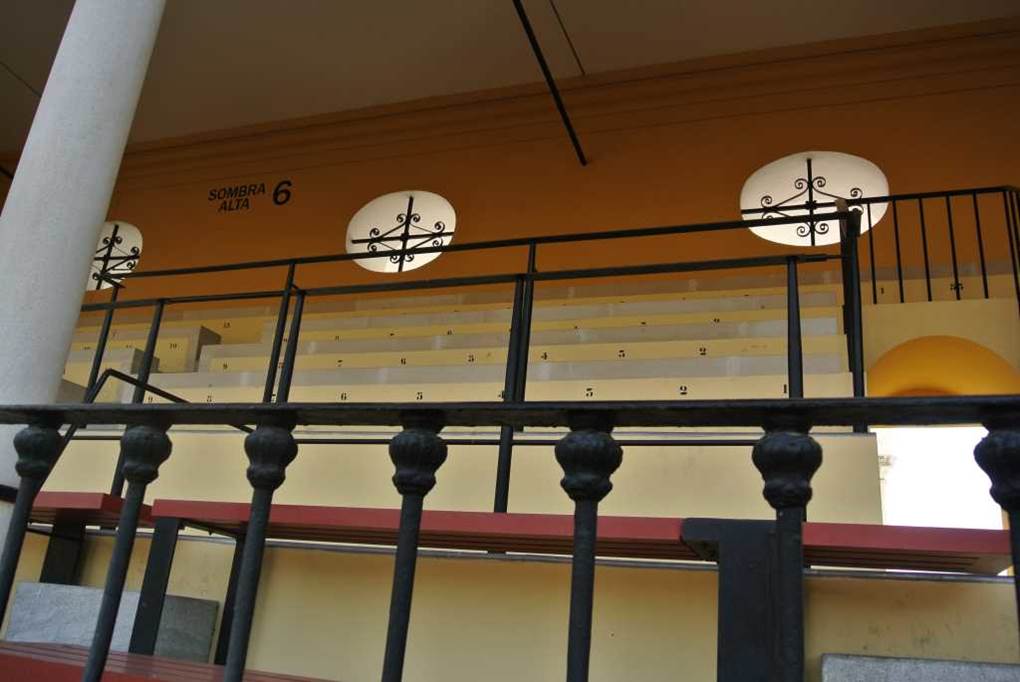
Photo by author, 2013
Bullfighting Museum
The museum displays noteworthy paintings, posters, sculptures, and bronze statues related to bullfighting.
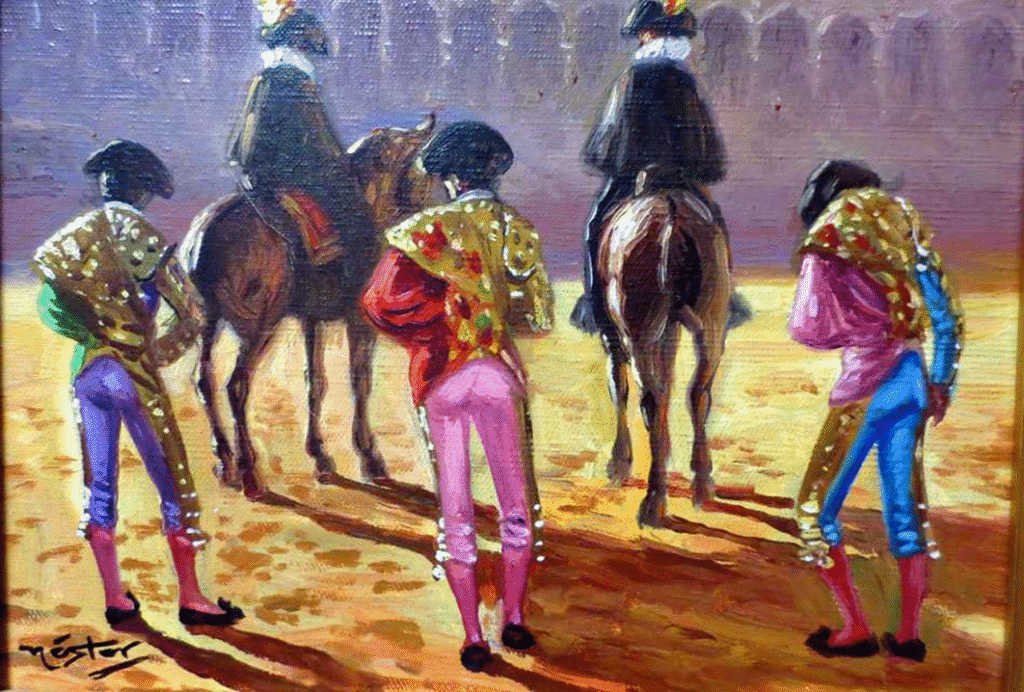
Photo by author, 2013
Inside the museum, very expensive bullfighter (matador) wear (traje de luces or ‘suit of lights’) are on display.
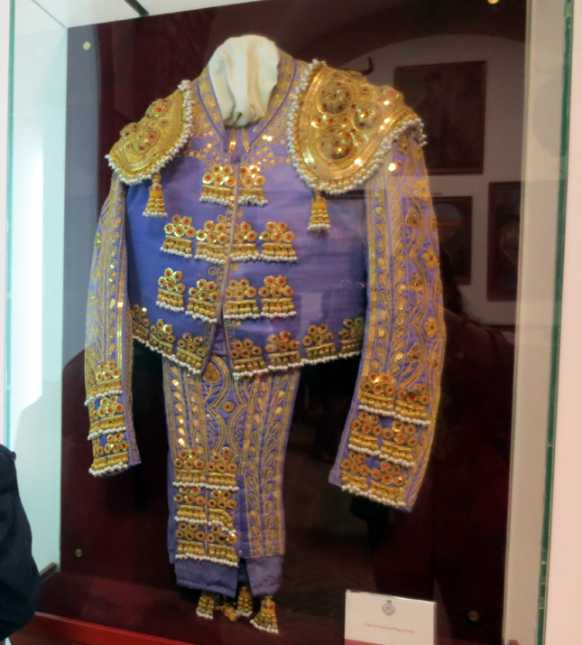
Photo by author, 2013
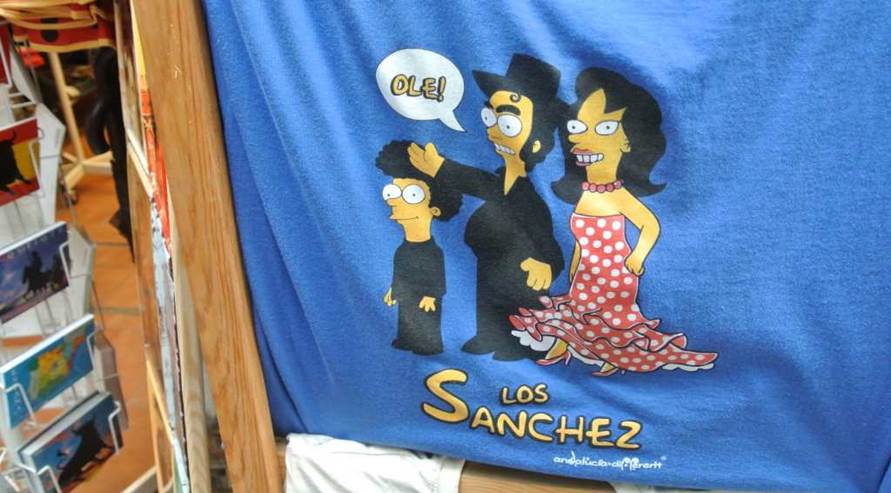
Photo by author, 2013
Guadalquivir River
The name of this historically important river is very difficult to pronounce.
The word comes from the Arabic word for “great river.”
The Guadalquivir River is the only river in Spain that is navigable by large vessels. Currently, it can only sail as far as Seville, but in Roman times, it was possible to navigate up the Andalusian plains and as far as Cordoba.
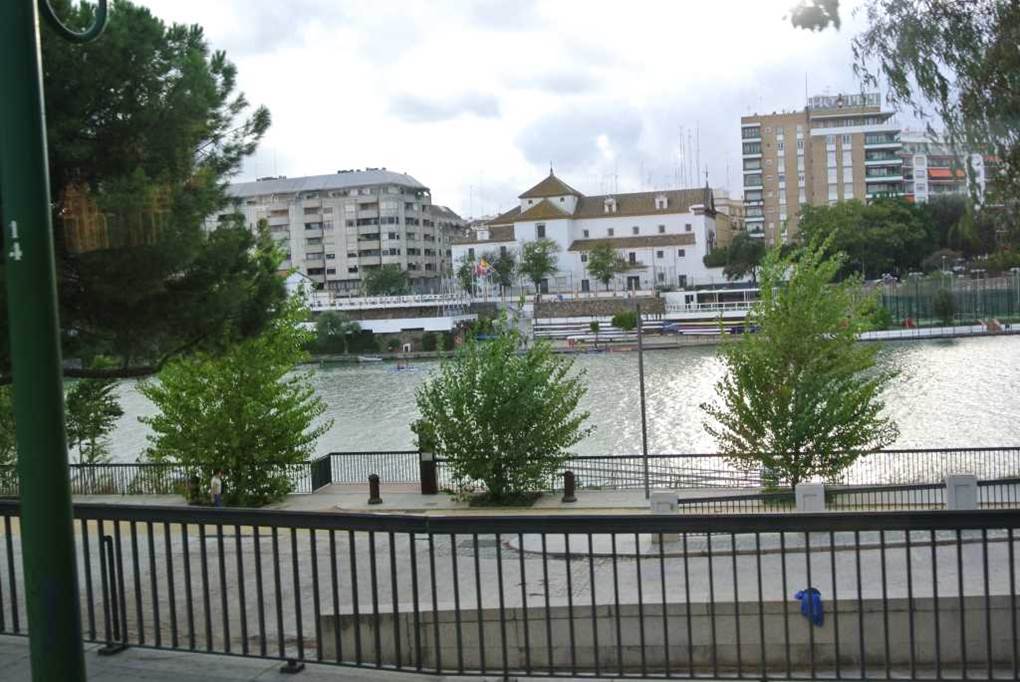
Photo by author, 2013
Former World Expo site
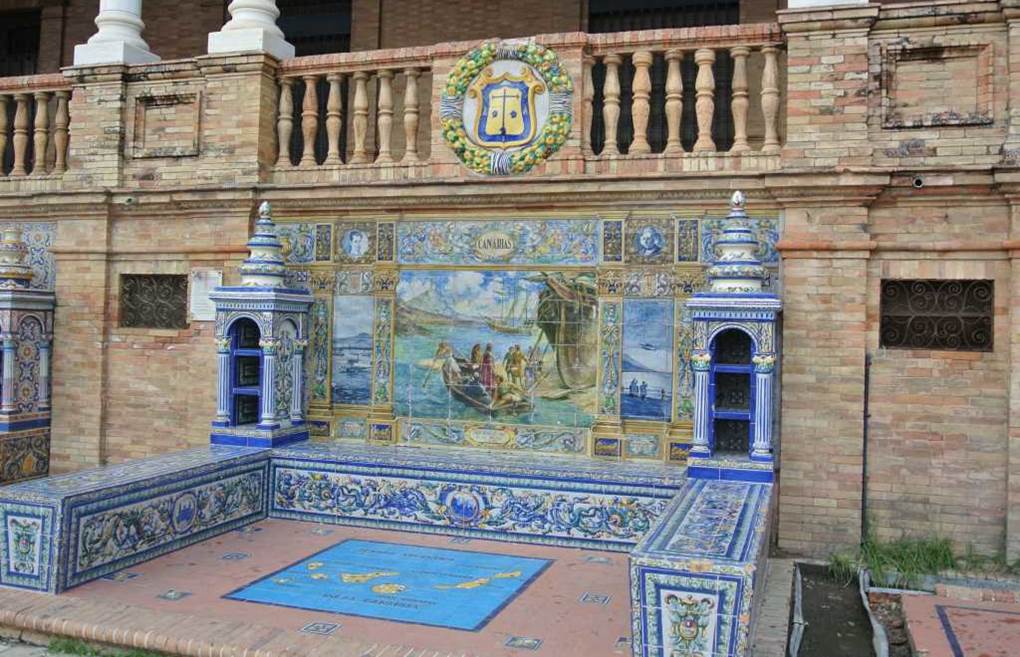
Photo by author, 2013
Plaza de España, Sevilla
It was originally built as a venue facility for the 1929 World’s Fair “Ibero-American Exposition” held in Seville.
The buildings in the square, built as pavilions, are in the Mudejar style, which is a typical architectural style of Seville and other Andalusian regions.
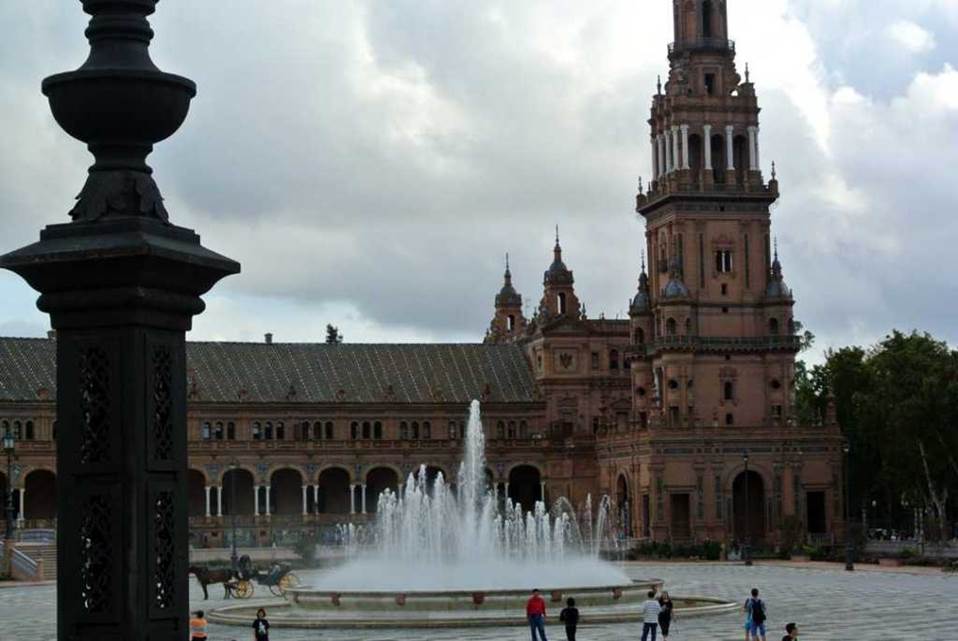
Photo by author, 2013
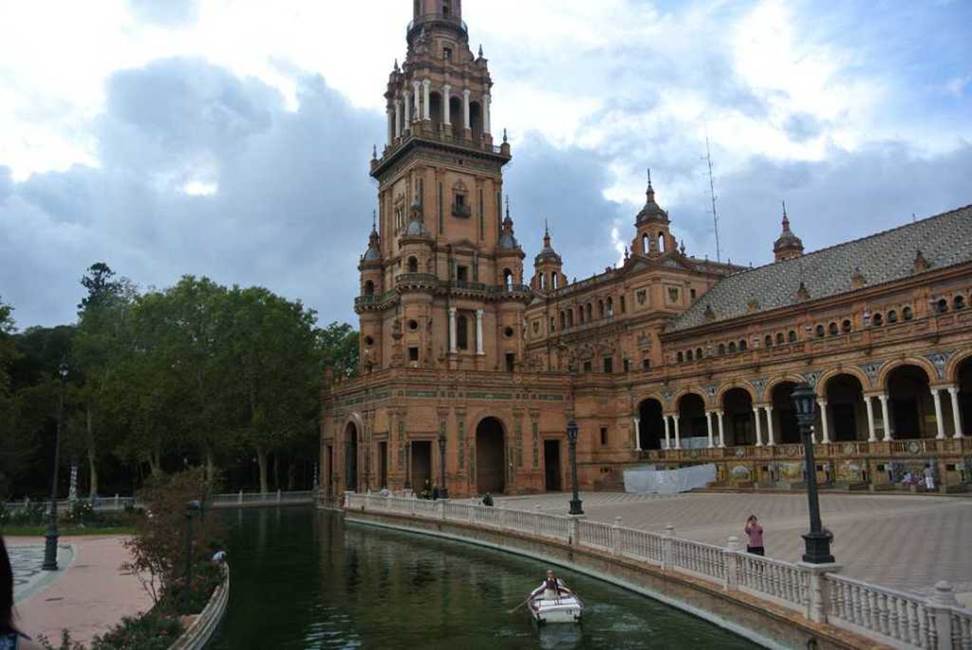
Photo by author, 2013
The highlight is the semicircular corridors on both wings.
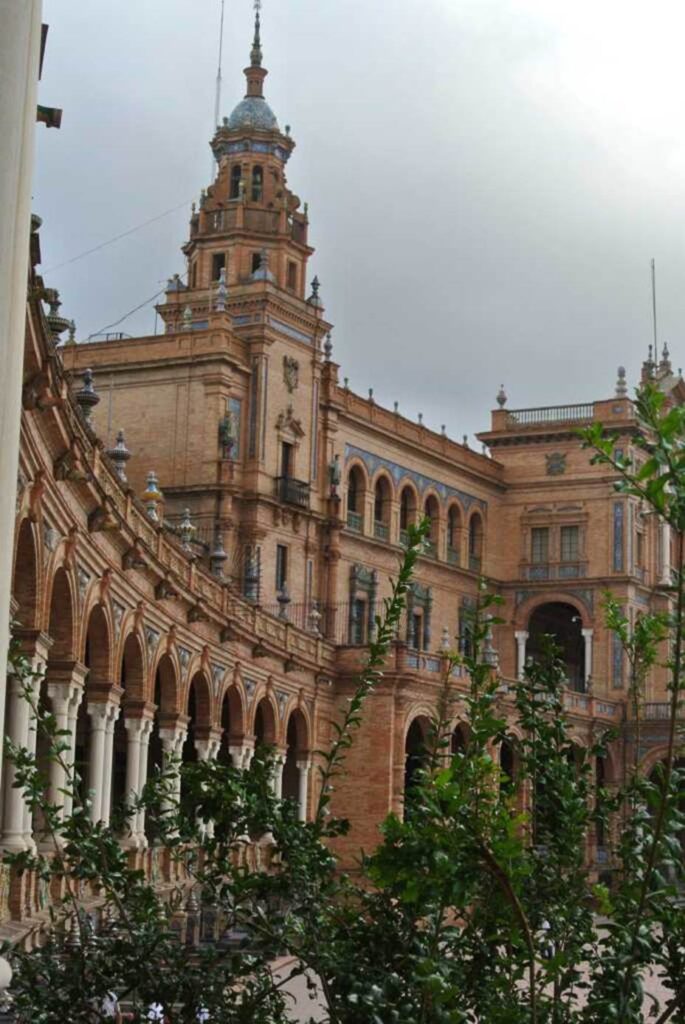
Photo by author, 2013
The lower part of the two-story semi-elliptical building, which surrounds the square with a radius of approximately 100 m, is fitted with 58 tiled benches, and the wall behind them features tile paintings depicting the characteristics and historical scenes of each Spanish province.
The contrast between the solid brick building and the Mudejar-style wall tiles is unique, and the harmony is stunning.
A bridge over an artificial pond in the square. Here, too, you can see custom-made art tiles on the bridge girders and balustrades.
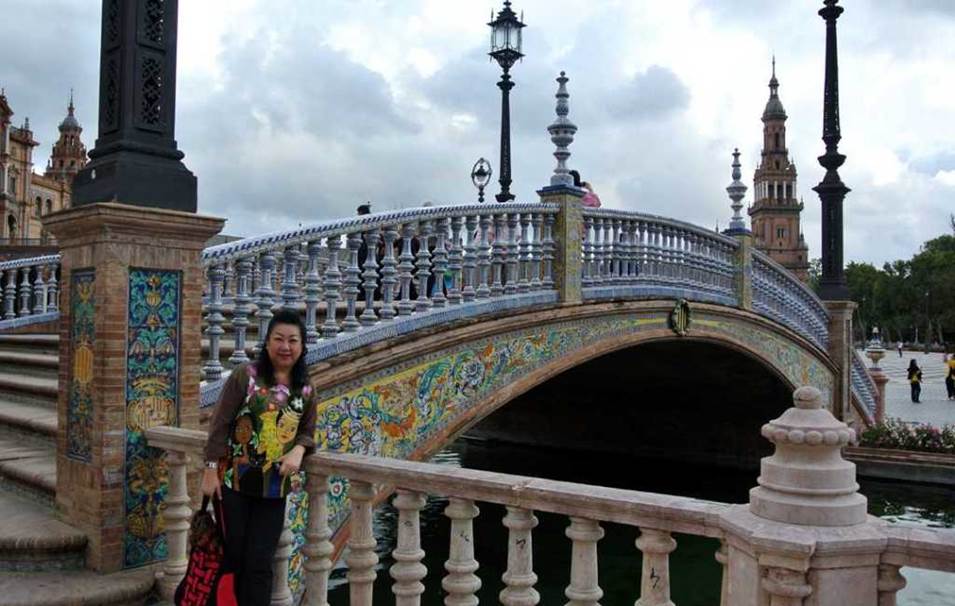
Photo by author, 2013
This kind of tile making and painting has always been the specialty of Islamic craftsmen, and this skill is also demonstrated in the railing of the bridge.
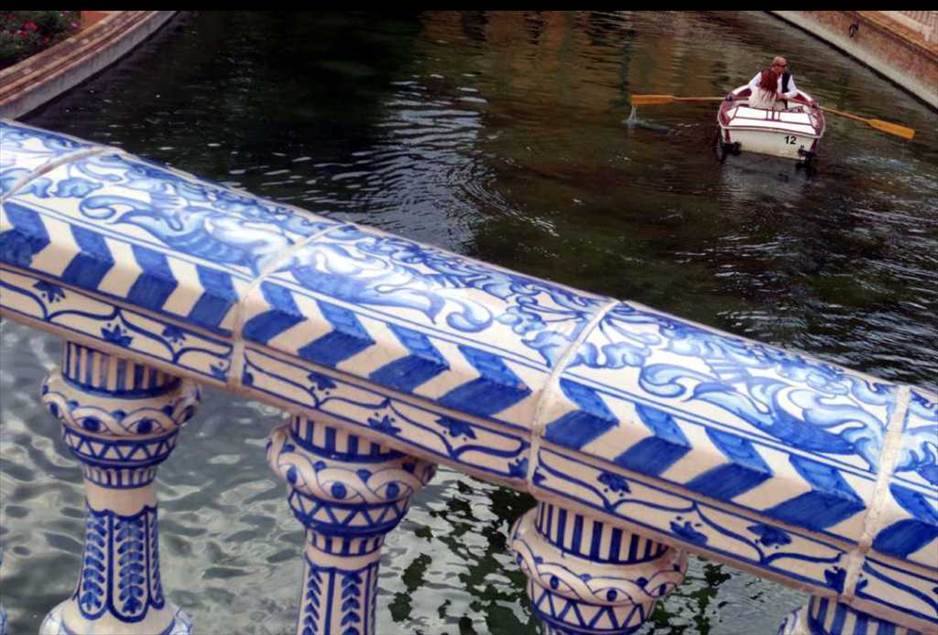
Photo by author, 2013
The semicircular building has a triple arched entrance in the center.
There is a ceramic tower on the left side in front of the building.
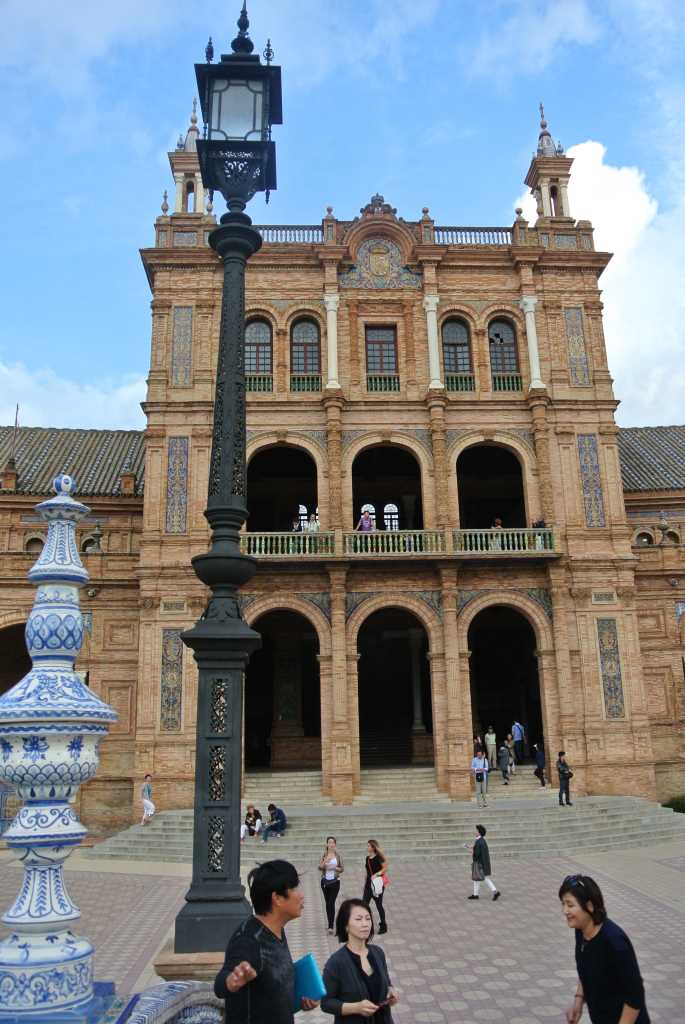
Photo by author, 2013
Tiles are also used on the arches and on the walls between the individual arches.
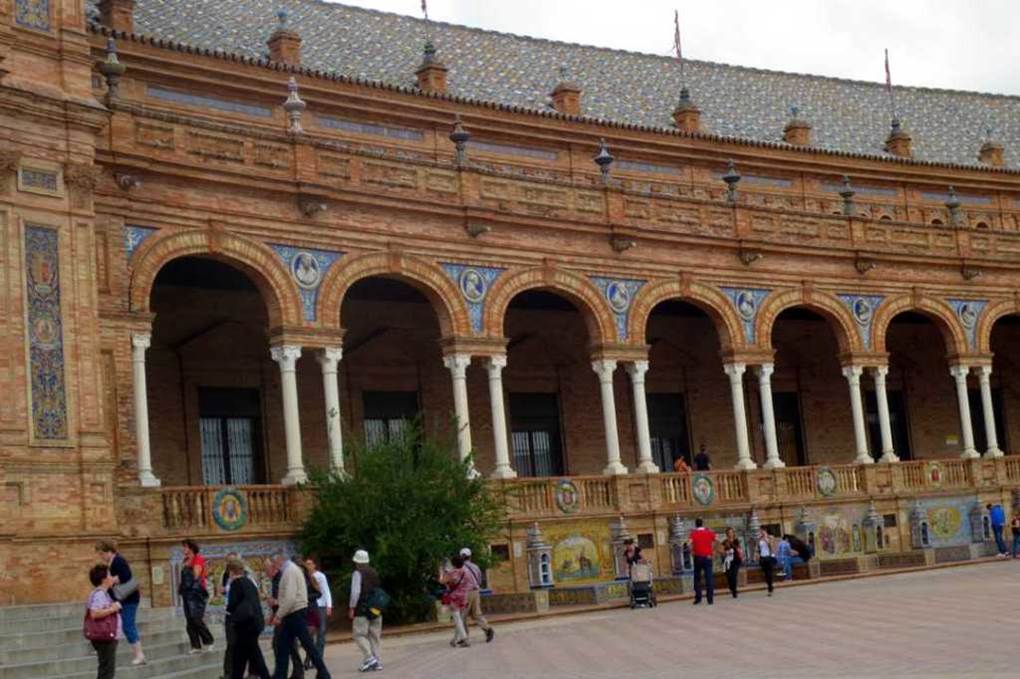
Photo by author, 2013
Moroccan style roof tiles. The combination of roof tiles of different shades to prevent monotony and the design consideration is beautiful.
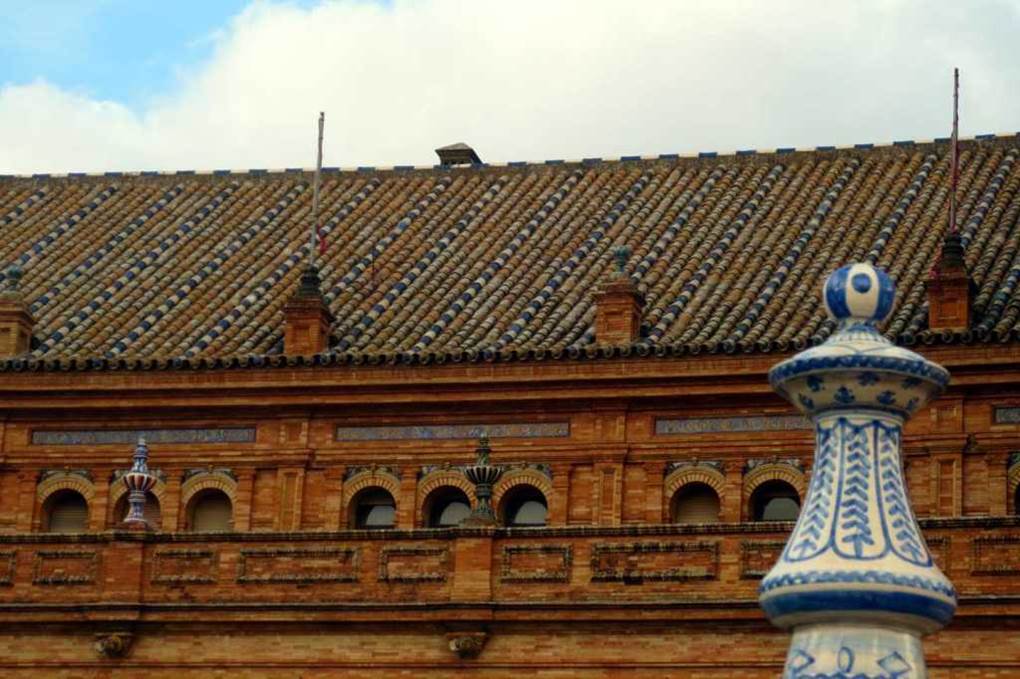
Photo by author, 2013
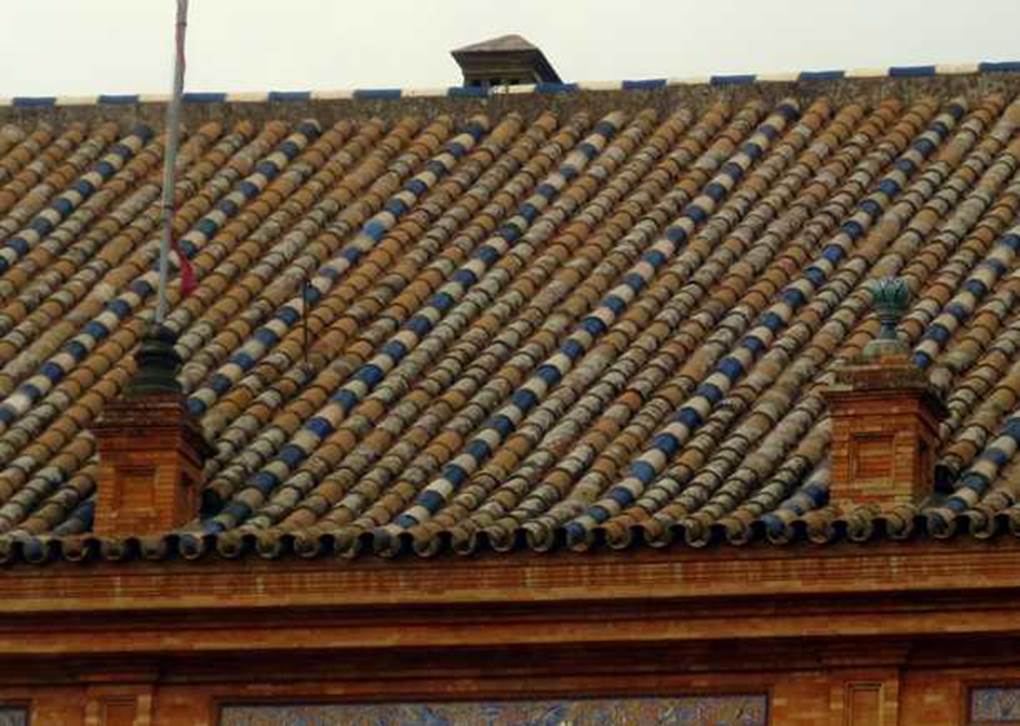
Photo by author, 2013
From Seville to Córdoba. On the highway.
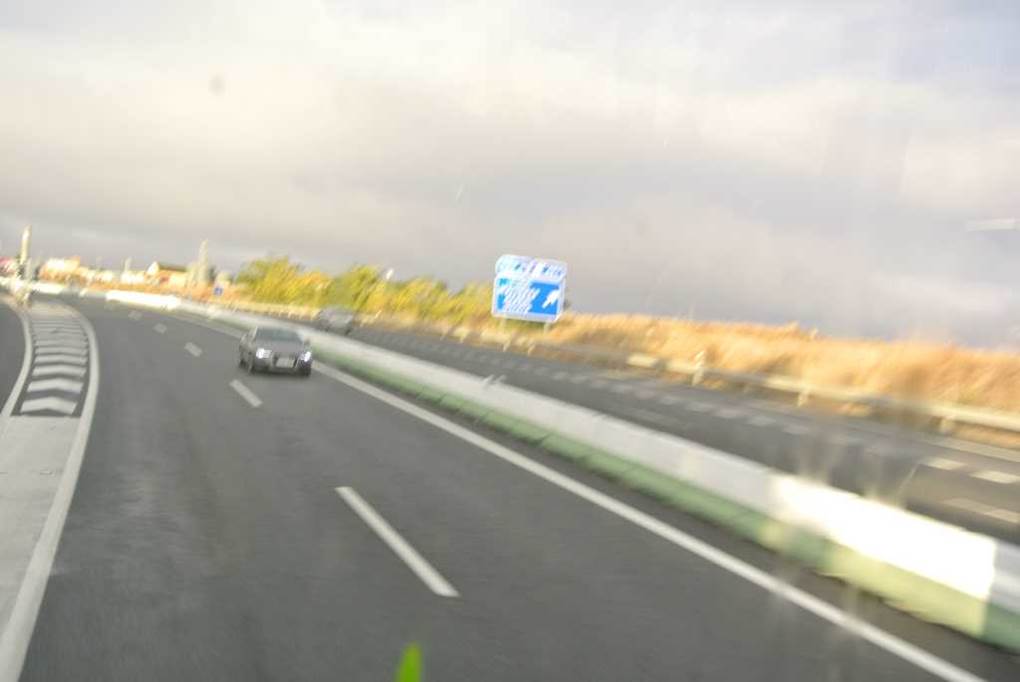
Photo by author, 2013
We took a bus to our next destination, Cordoba. The sun is setting in a light rain.
Photo by author, 2013
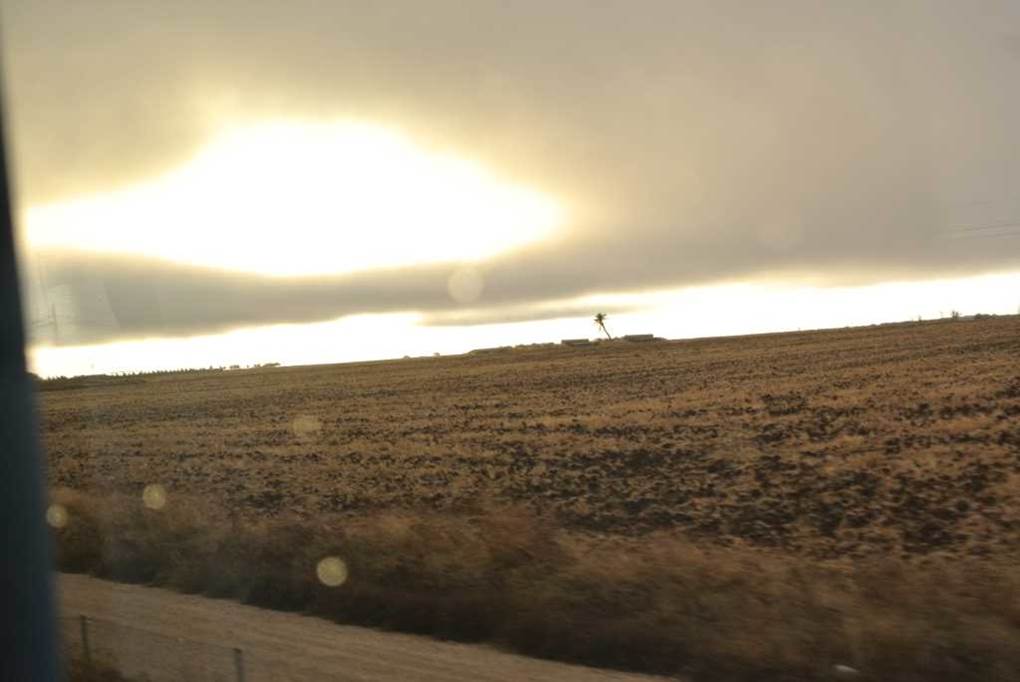
Photo by author, 2013
Photo by author, 2013