JAP | ENG
India Travelogue 1989
#10/26
Khajuraho #1
Khajuraho temple complex and surrounding settlements
At 1:00 pm on February 8, 1989, I departed from Agra Airport on a domestic Air India flight and arrived at Khajuraho Airport in 40 minutes.
If I were to travel by car on the ground, the distance between the two places was about 410 km, and it would take more than 8 hours by car.
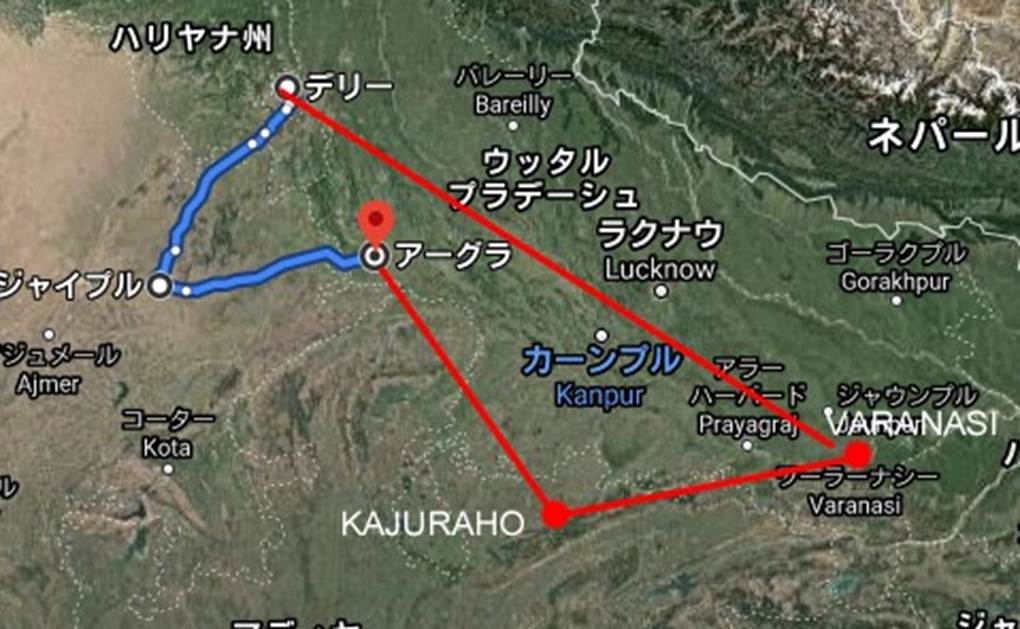
There is an airport in a town of 20,000 people!
It is located in the north of Madhya Pradesh, the second largest state in India after Rajasthan. The state capital is a city called Bhopal, which is not very well known. This state is located in the very center of the Indian subcontinent, and compared to other parts of India, it does not have many tourist attractions, and the only small town that attracts tourists is Khajuraho.
There are a group of Hindu and Jain temples, which are registered as a UNESCO World Heritage Site.
Author’s sketch of map of Khajuraho
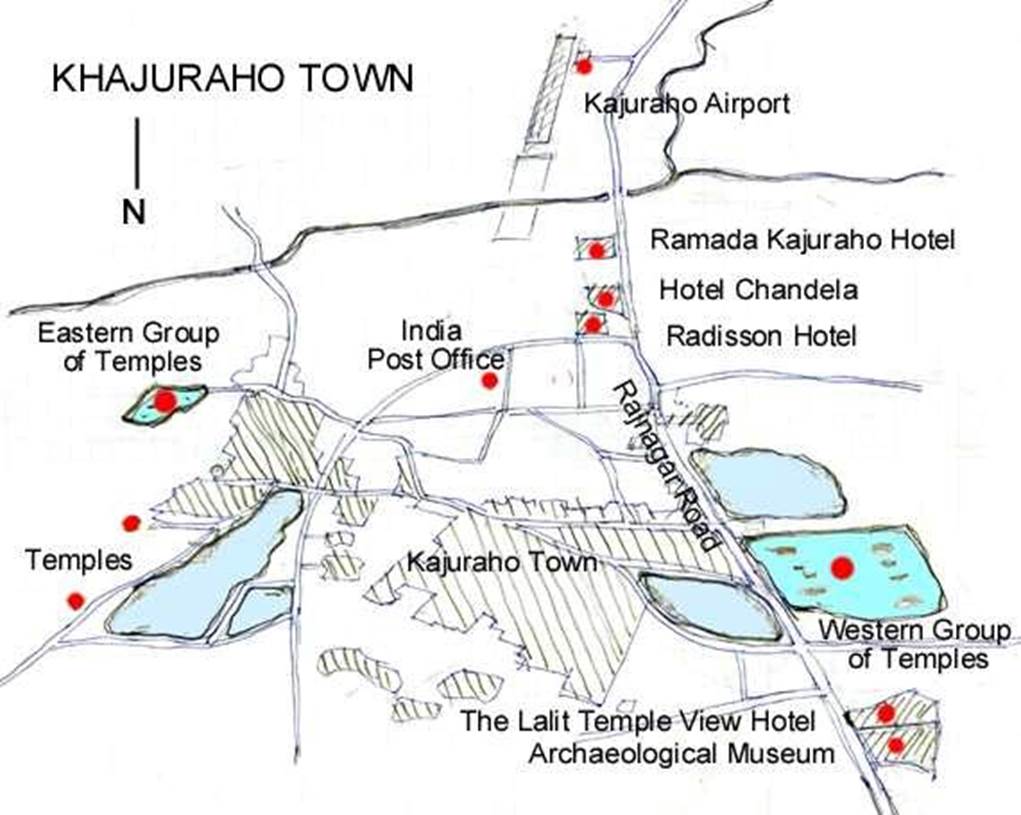
Author’s sketch
At the airport, a local travel agent picked me up and took me to the hotel Taj Chandra, which I had booked. Halfway between the airport and the Western Group of Temples, which is ideal because it saved us time.
Khajuraho, a group of Hindu temples
World Heritage Site
Many Hindu temples built during the Chandela dynasty, which flourished between the 10th and 12th centuries, remain here.
Clockwise from the south of the road in front – (see the diagram below)
#1, Lakshmana Temple,
#3, Kandalyamahadev Temple, Devijagadambi Temple,
#4, Chitragupta Temple,
#2, Vishwanatha Temple
Apparently, this vast site used to be a pond, and people would take boats to visit each temple. Now the water has dried up, and there are just small paths in the lawn that don’t seem to have been built with any planning in mind, pointlessly connecting each temple.
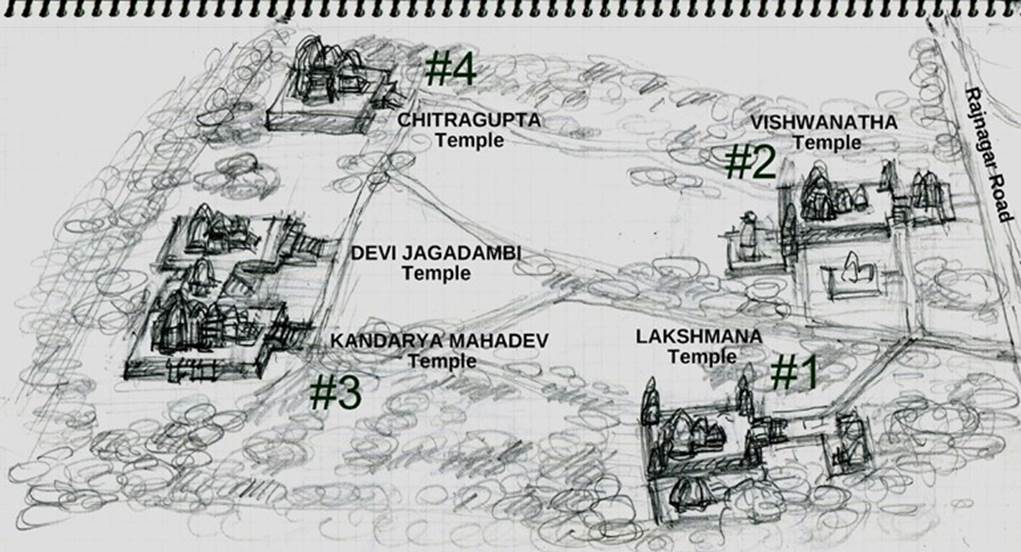
Author’s sketch
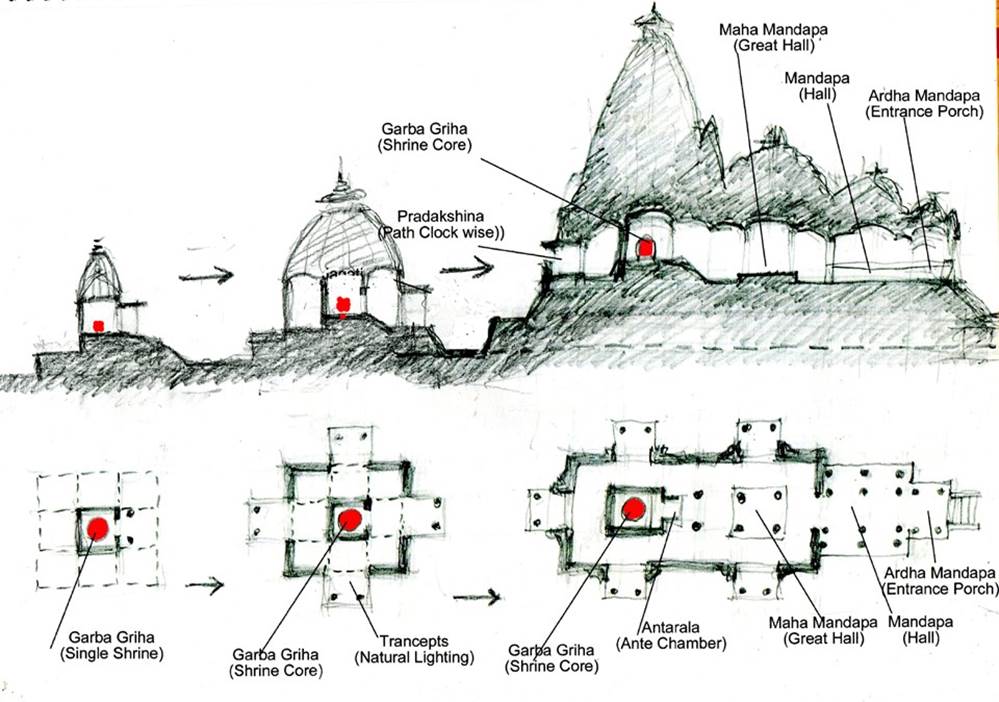
Growing and shifting the scale of the temple
It shows the transition from a simple Hindu temple (left) to a more complex temple (right).
Author’s sketch
Types of temple wall sculptures
The carvings on the walls of the temple are divided into five types.
1) Geometric plant decoration,
2) Sculpture depicting court life,
3) Mythological or real animals,
4) Statue of gods, and
5) Statue of a man and a woman in love.
The temple, with its countless three-dimensional sculptures on its walls, is a masterpiece that takes your breath away and leaves you overwhelmed.
Among them, the Mithunas, statues of a man and a woman intertwined in various positions, some of which are free-spirited and even acrobatic, are particularly noteworthy.
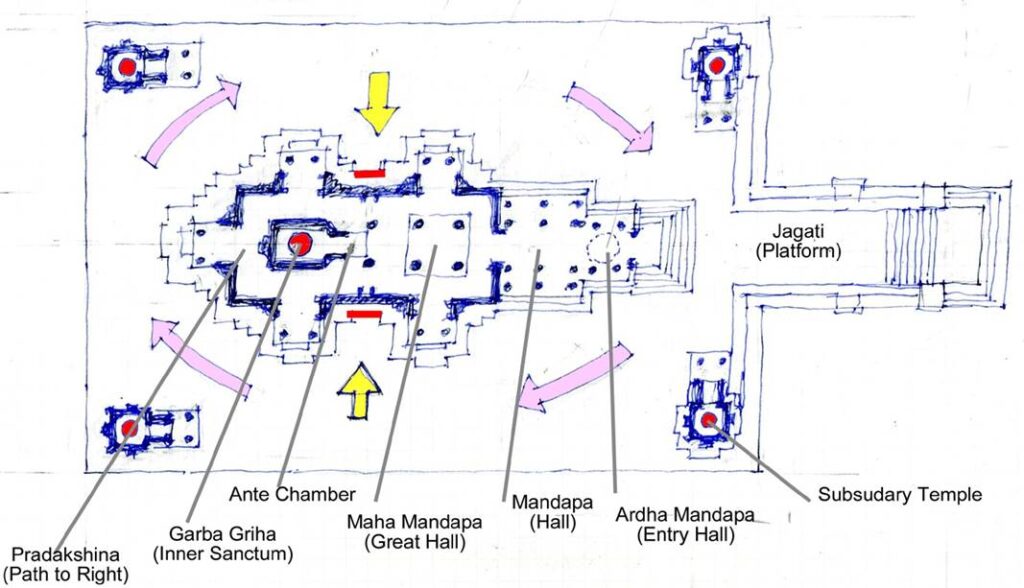
The route for worship is clockwise around the temple whether inside or outside.
Author’s sketch
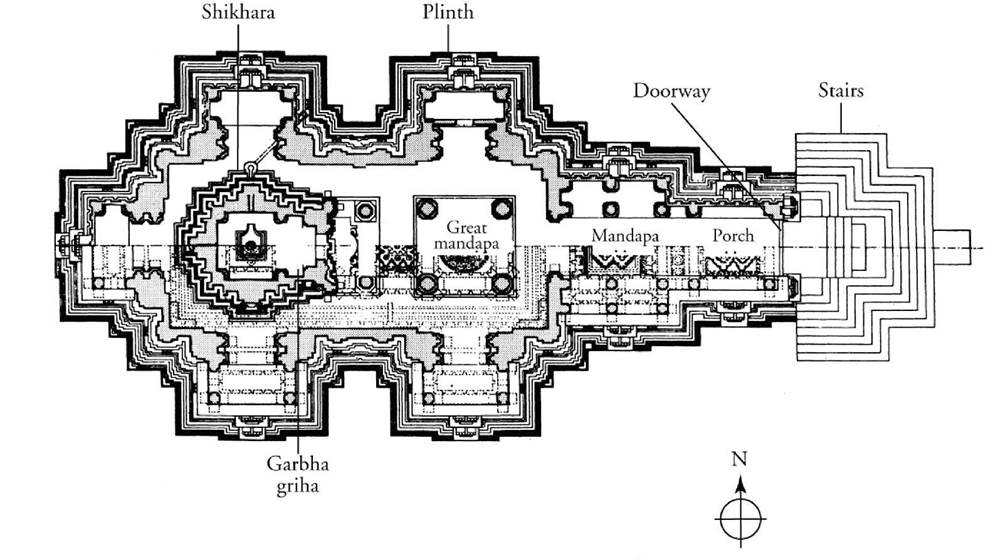
The composition of the temple
These Khajuraho temples are truly exhibitions of architecture and art.
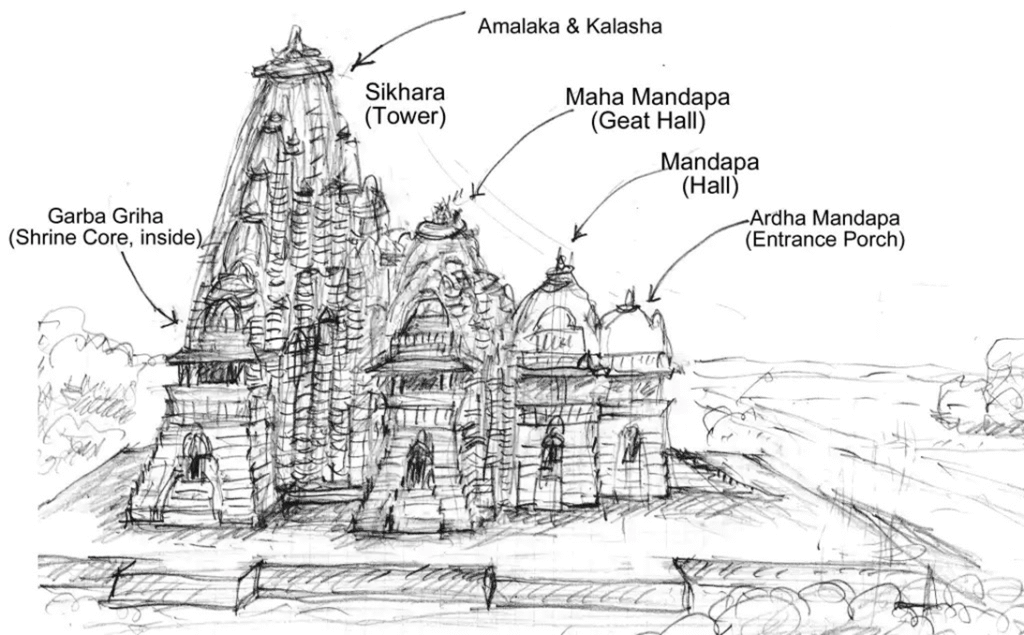
The temple is set up in rows from east to west, with an entrance hall, a main hall, and an inner temple on a 2 to 3 m high platform, and it is structured so that it rises higher and closer to the god as you advance.
The inner temple is shaped like a cannonball-like tower, and a number of small accompanying turrets cover the tower like bamboo shoots.
Author’s sketch
If you’re visiting for the first time, you might be a little surprised.
From a distance, it looks like an ordinary temple, but when you get closer, you can see many erotic sculptures carved all over the temple, which is supposed to be sacred.
This is called the “Mithuna Statue,” a religious art with sexual intercourse as a motif.
The reason for the carving of such a sensual sculpture is not clear because there are no official records, so there are various interpretations, such as the sacralization of prayers for fertility and sexual union itself.
At the height of the dynasty, there were 85 temples throughout Khajuraho, but most of them were destroyed by invading Muslims in the 14th century, and only 22 remain.
Indeed, as a Muslim who worships idols, the Hindu temples that sang these erotic songs proudly would have been easy targets for immediate destruction of the invasion. Even so, not only did it survive well, but it was also well preserved.
What kind of people were the people who directed and carved it? And after completion, it is interesting to imagine the surprise of those who see them.
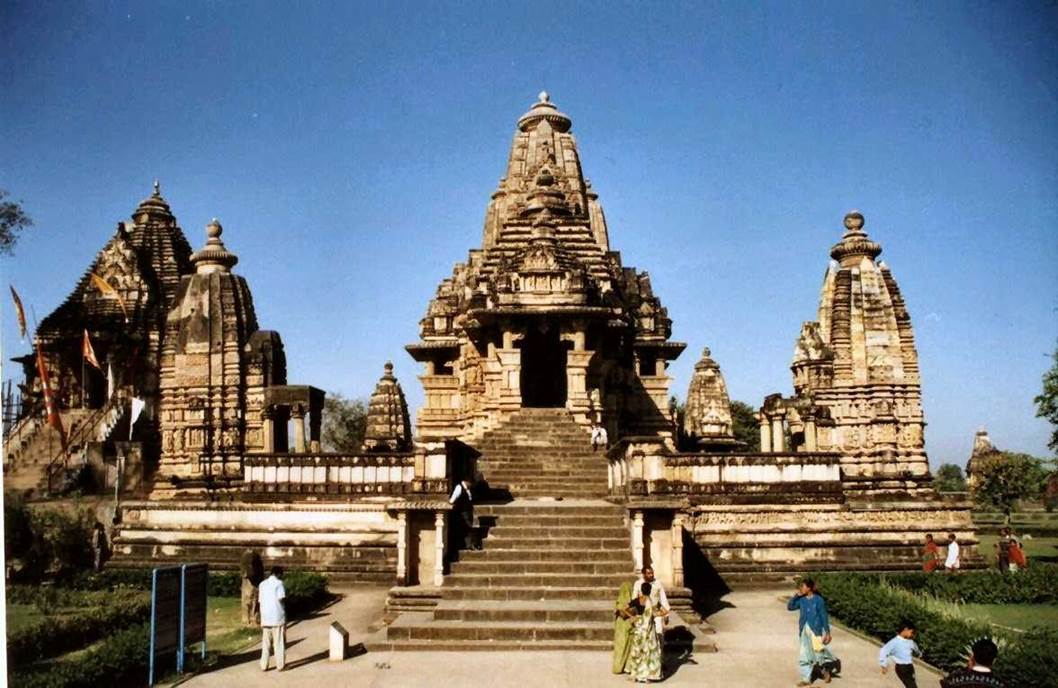
#1、 Lakshmana Temple
(inside the temple grounds, left side in the foreground)
It enshrines the god Vishnu, who presides over maintenance.
It was built as a Jain temple. It is the oldest temple in the temple ruins of Khajuraho.
In addition to the erotic statue of Mithuna, there are many sculptures here that show how people lived at that time, such as daily life, war, ascetic practices and love affairs.
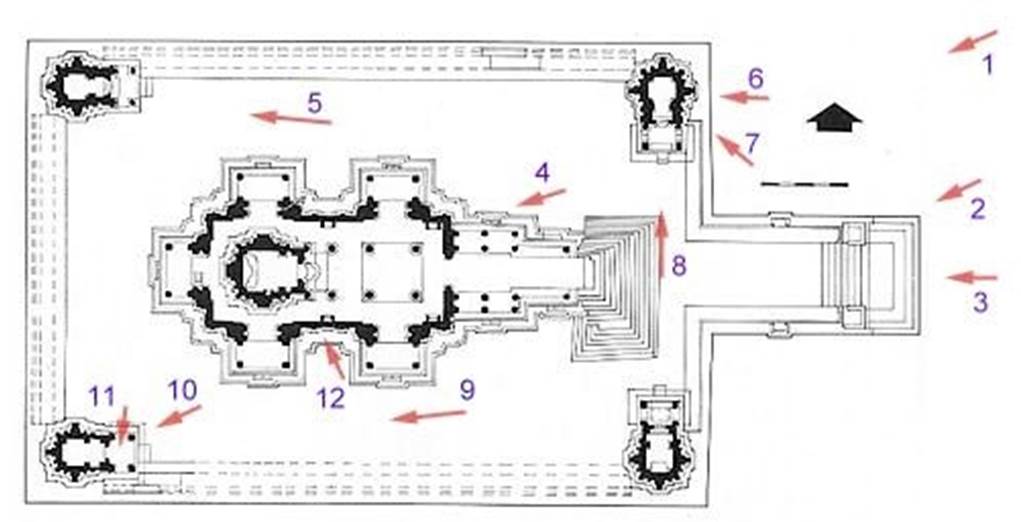
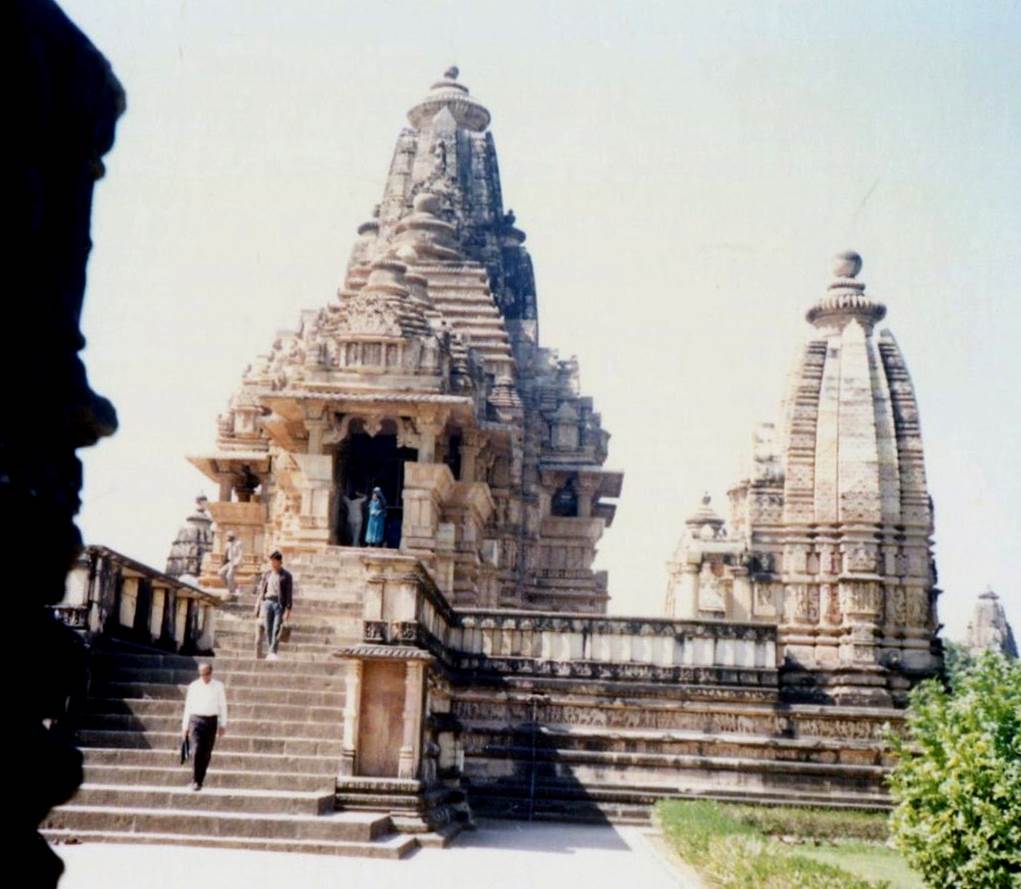
Photo by author, Feb 1989
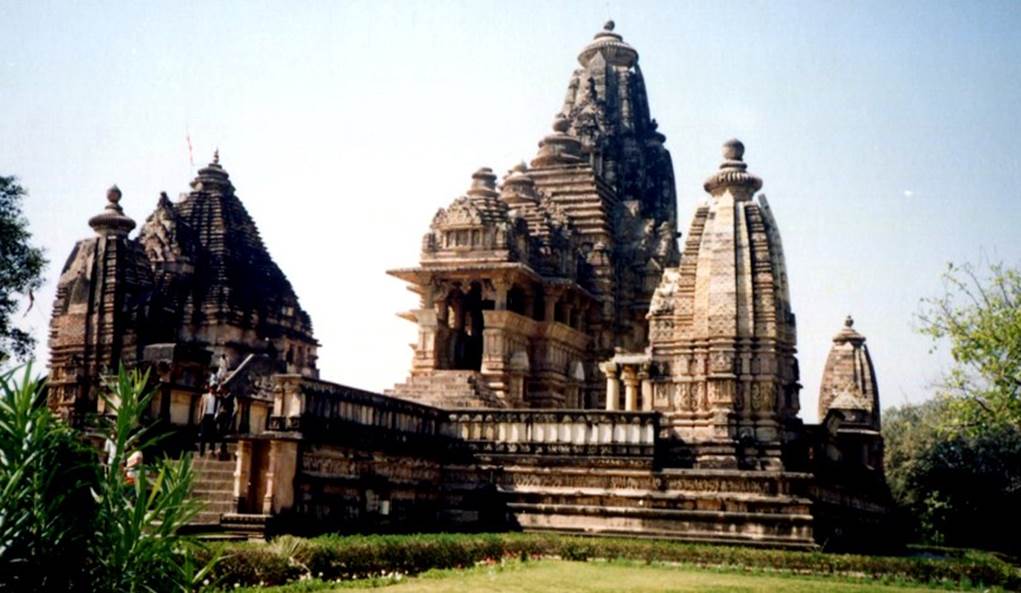
Photo by author, Feb 1989
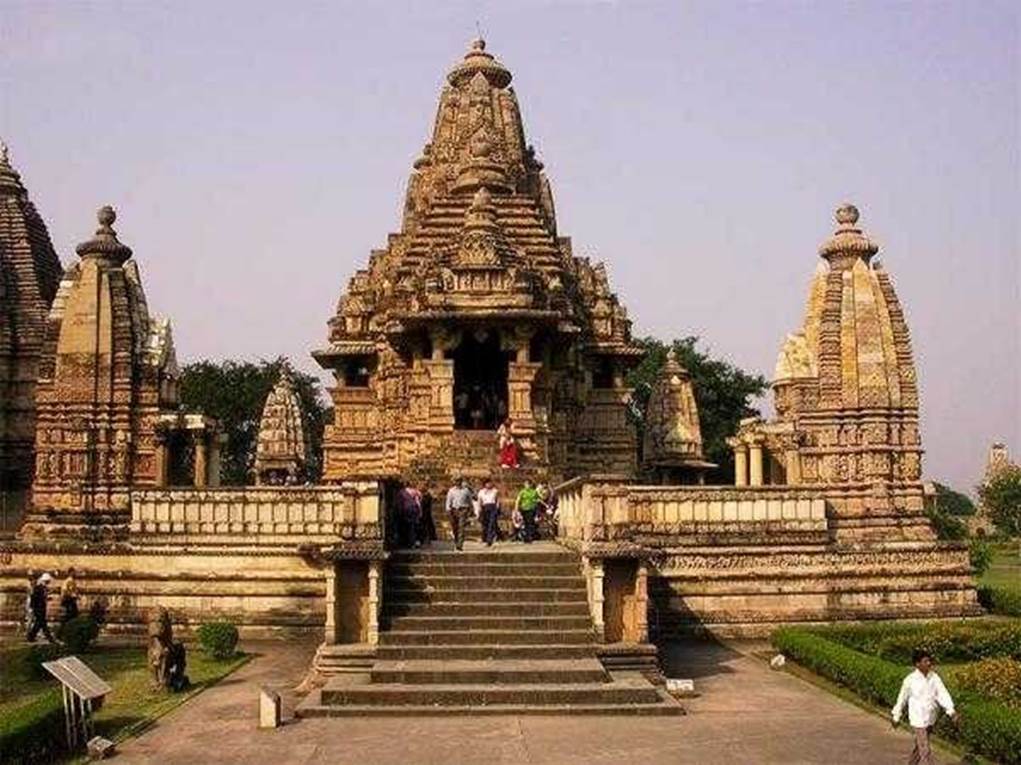
Photo by author, Feb 1989
Lakshimana Temple Sculptures
The reason why the statue of the union of men and women was made.
It is not clear why such a statue of Mithuna was made in this place.According to various theories, esoteric Buddhism and Tantrism (a religious concept established in the 6th to 8th centuries that sought the energy of life in sexual union) and sexual rituals such as group sexual intercourse and corpse rituals were performed in order to achieve liberation in this world.
There are theories that it was prevalent at the time, that it expressed the physical beauty of a woman when it met God, and that it also represented the marriage of Shiva and Palvati (Shiva’s wife).
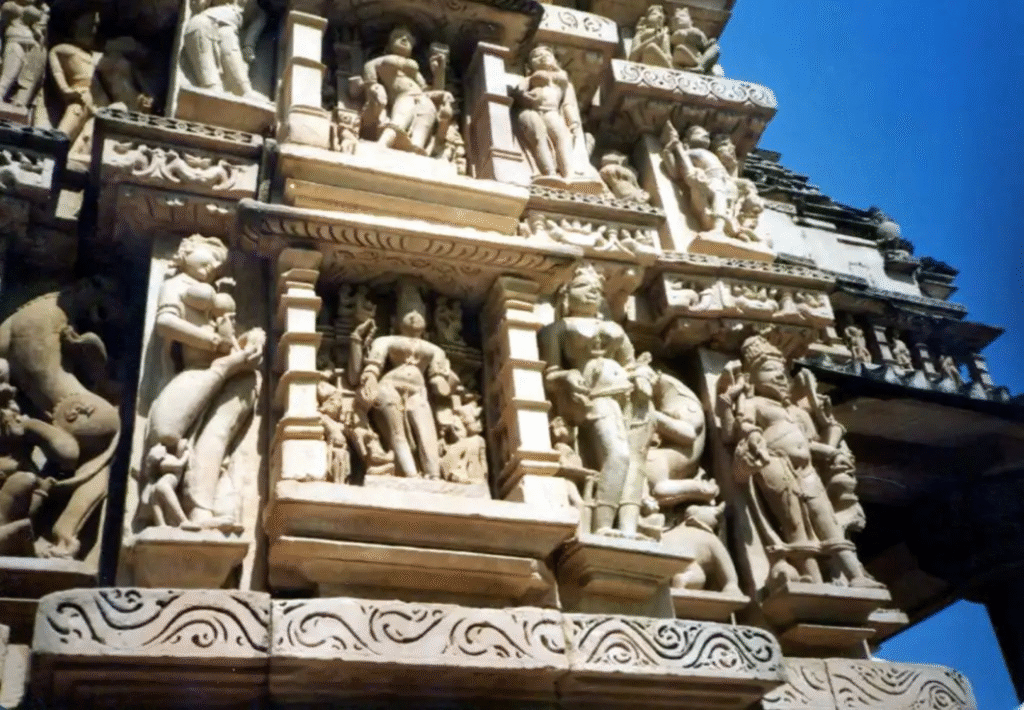
Photo by author, Feb 1989
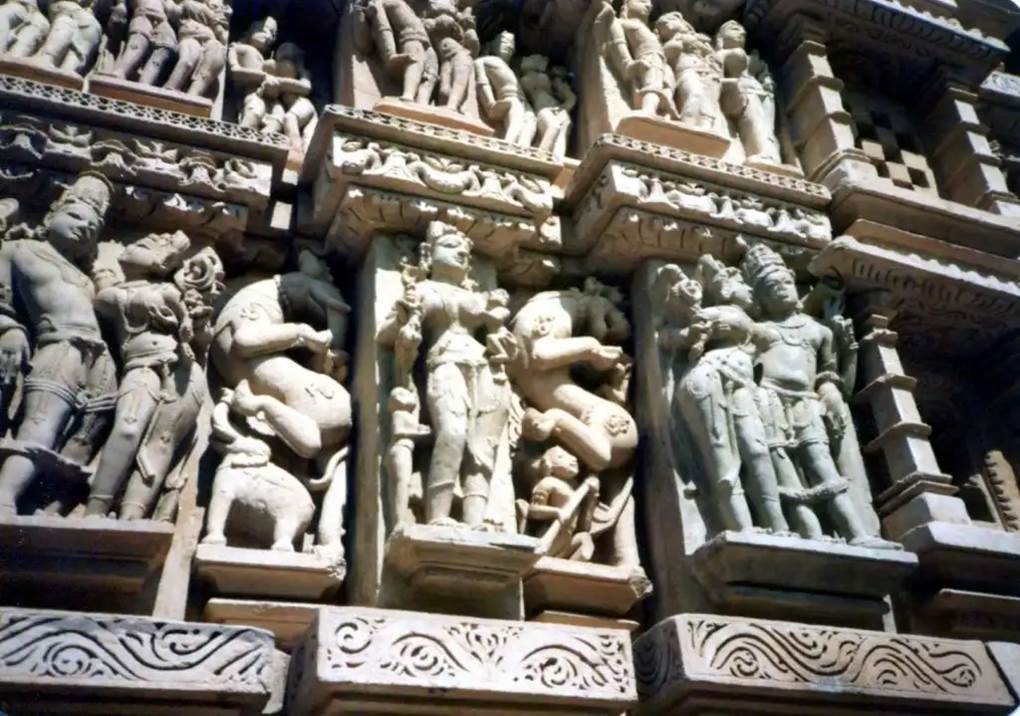
Photo by author, Feb 1989
The dedicated guide explained things to us in both Japanese and English, pointing at things as he went. When we visited, there were almost no foreign visitors. The fact that there was a guide who spoke only Japanese was probably proof that many Japanese individuals and groups were visiting the area.
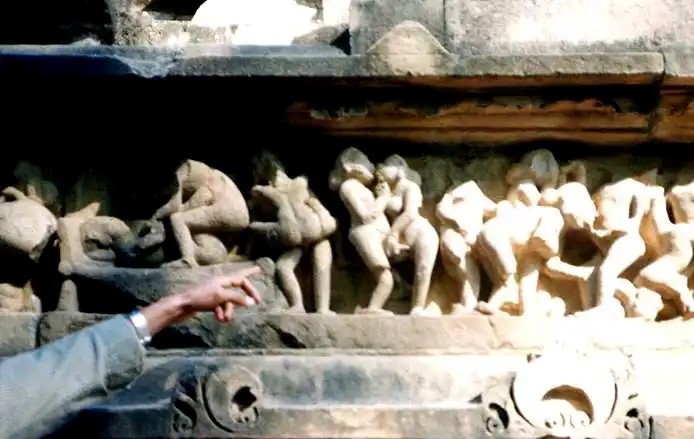
Photo by author, Feb 1989
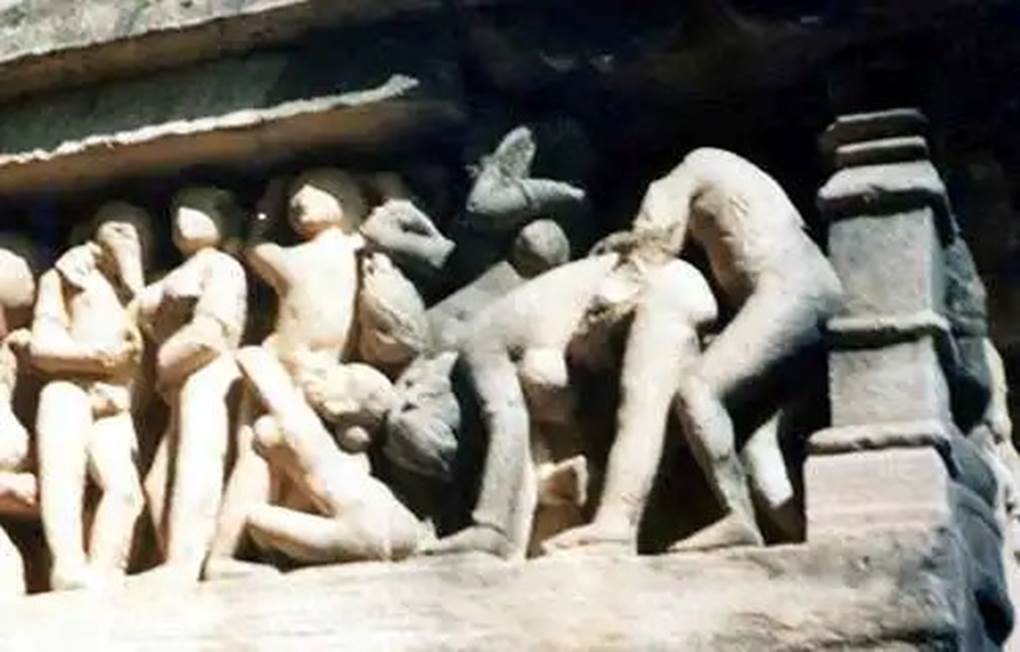
Photo by author, Feb 1989
Varaha Temple
The Varaha temple opposite is a rare temple where a wild boar is enshrined.
Inside is enshrined Varaha (a wild boar) approximately 2m in length, one of the incarnations of Lord Vishnu, and at its feet, all that remains are the giant serpent Seshanaga, symbolizing eternity, and the feet of a statue of the goddess Bhudevi.
This work is made of metal. There are 674 statues of gods on the body of a wild boar. How did they create such sculptures?
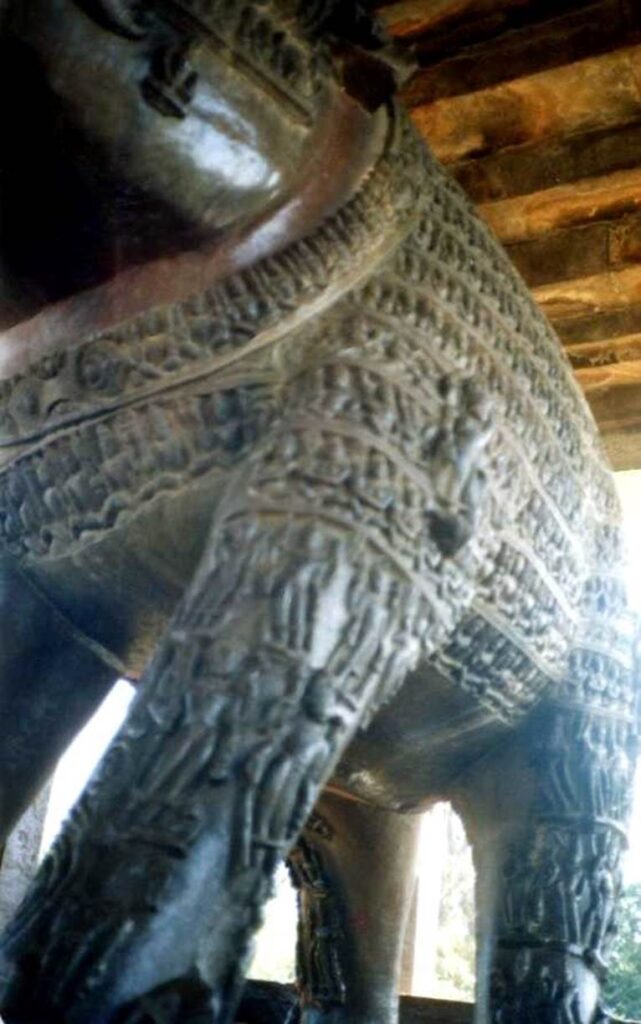
Photo by author, Feb 1989
At the base of the boar’s statue
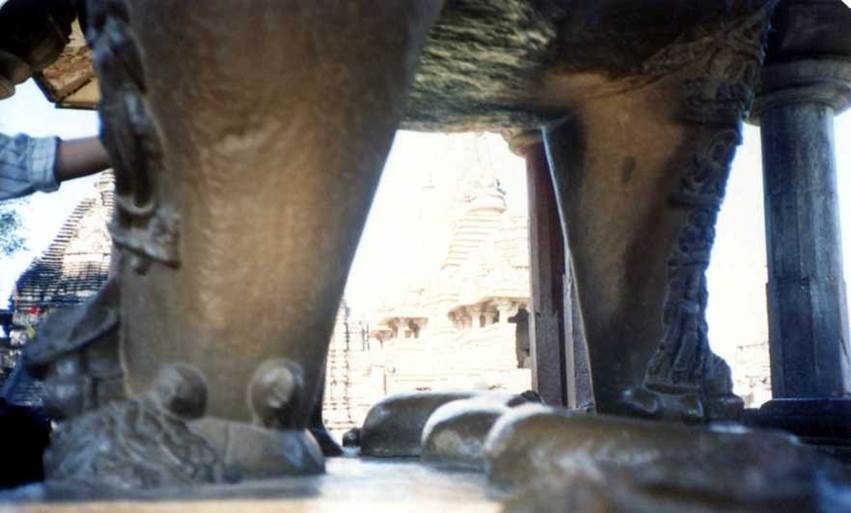
Photo by author, Feb 1989
Ceiling carving of the Varaha temple
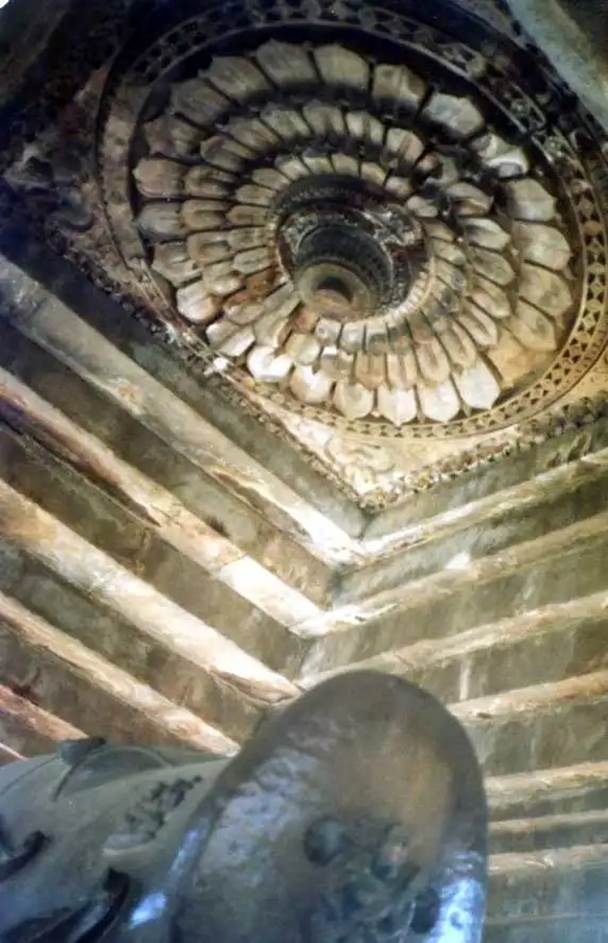
Photo by author, Feb 1989
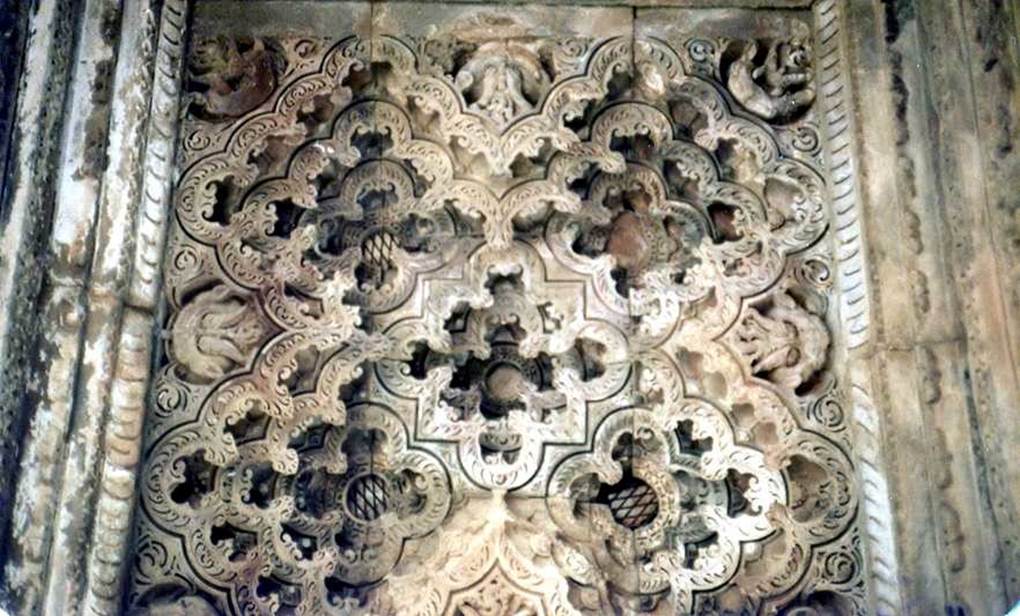
Photo by author, Feb 1989
Mandala ceiling.
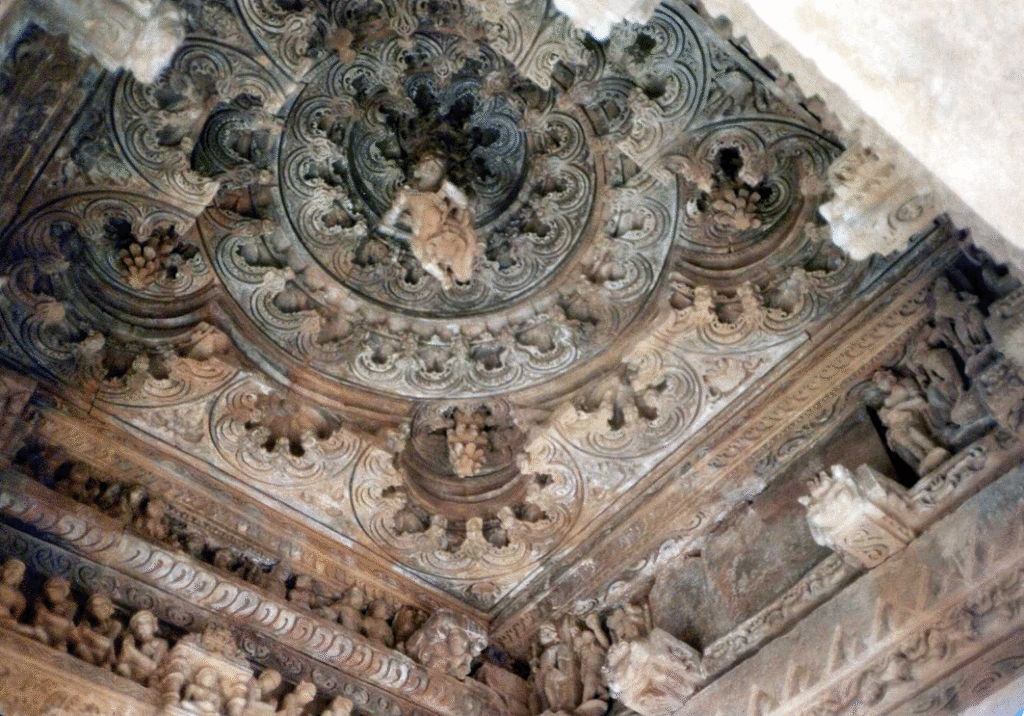
Photo by author, Feb 1989
#2 Vishwanatha Temple
(precincts, right side in the foreground)
There is a temple called “Vishvatha Temple” in the temple complex to the west.
It is a representative temple of Khajuraho, built in 1002.
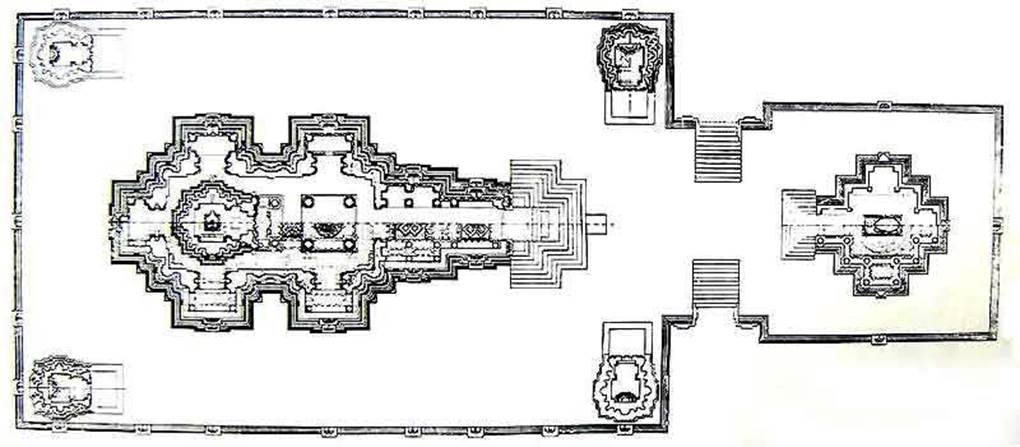
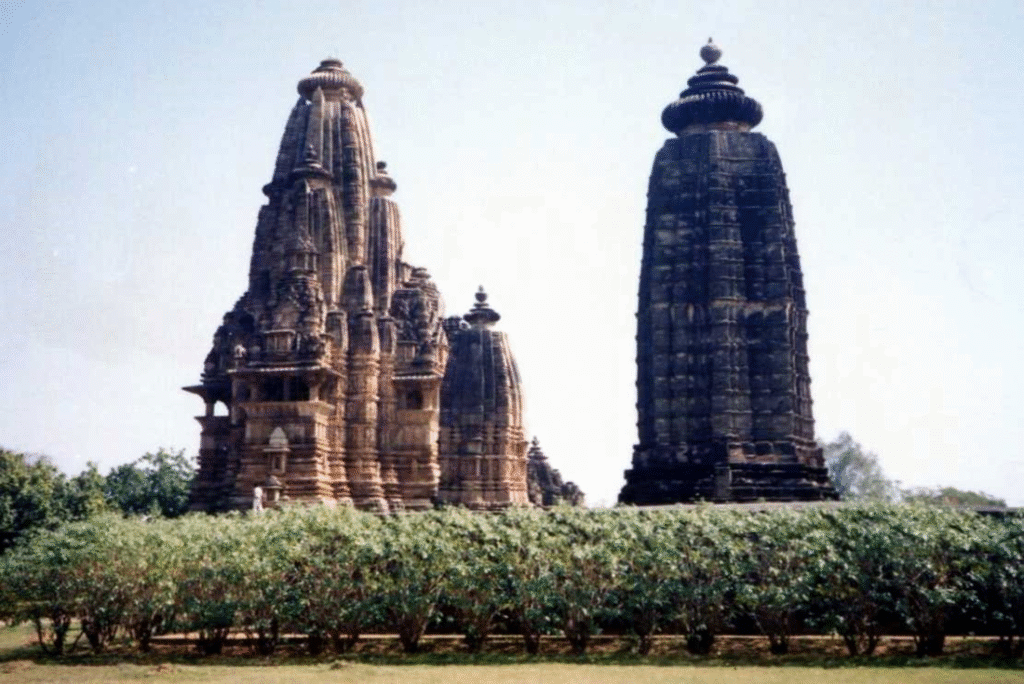
Photo by author, Feb 1989
It is a Hindu temple with a typical feature of the Sanskrit word “shikhara”, which means “peaks”, rising from east to west.
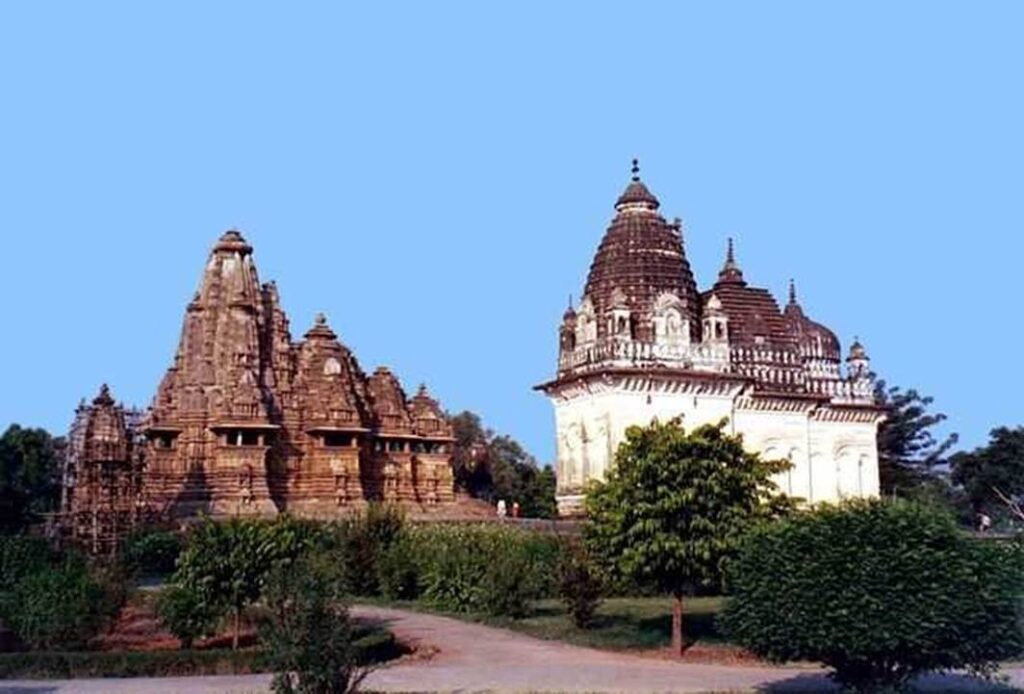
Photo by author, Feb 1989
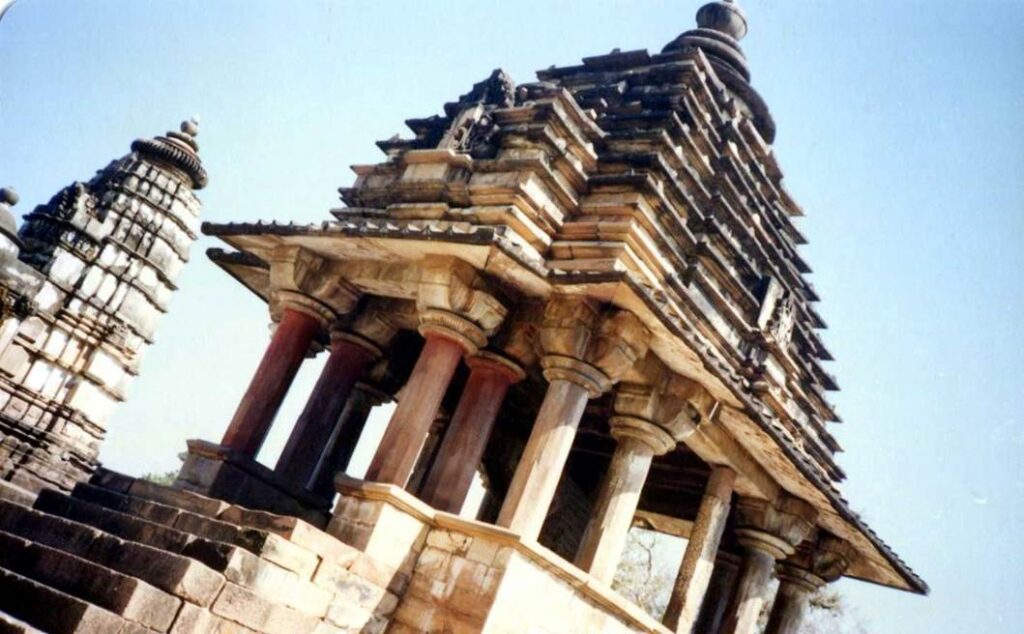
Photo by author, Feb 1989
On the outer walls, you can also see a statue of Mithuna, a nude celestial maiden, and other mythical creatures.
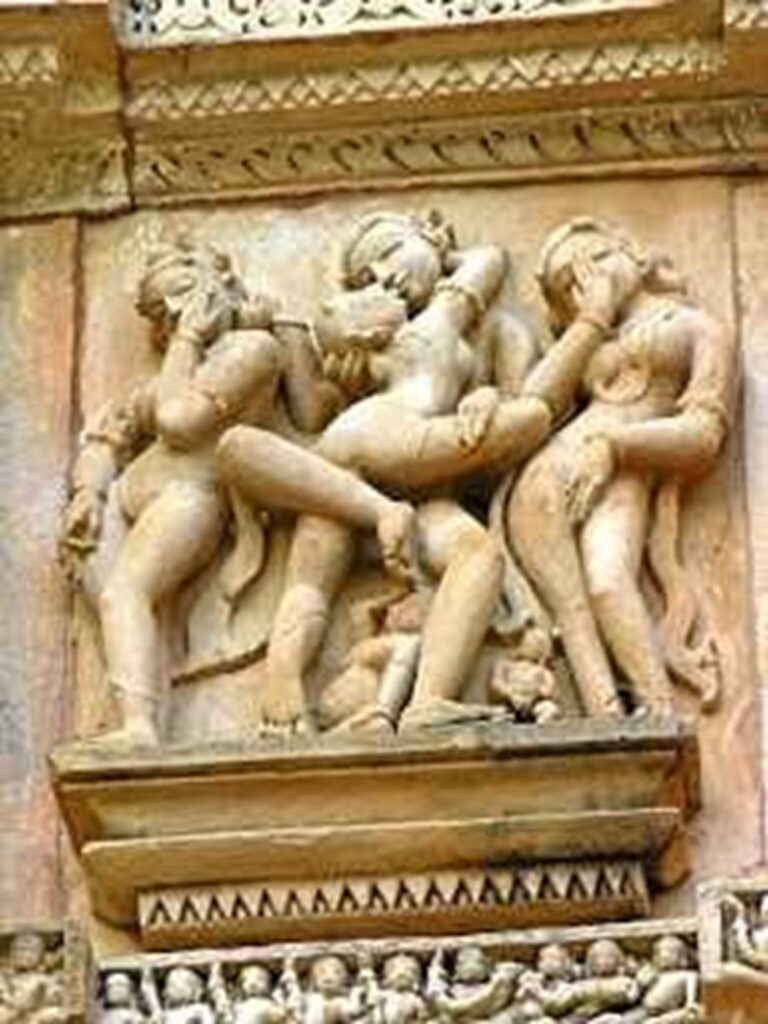
Photo by author, Feb 1989
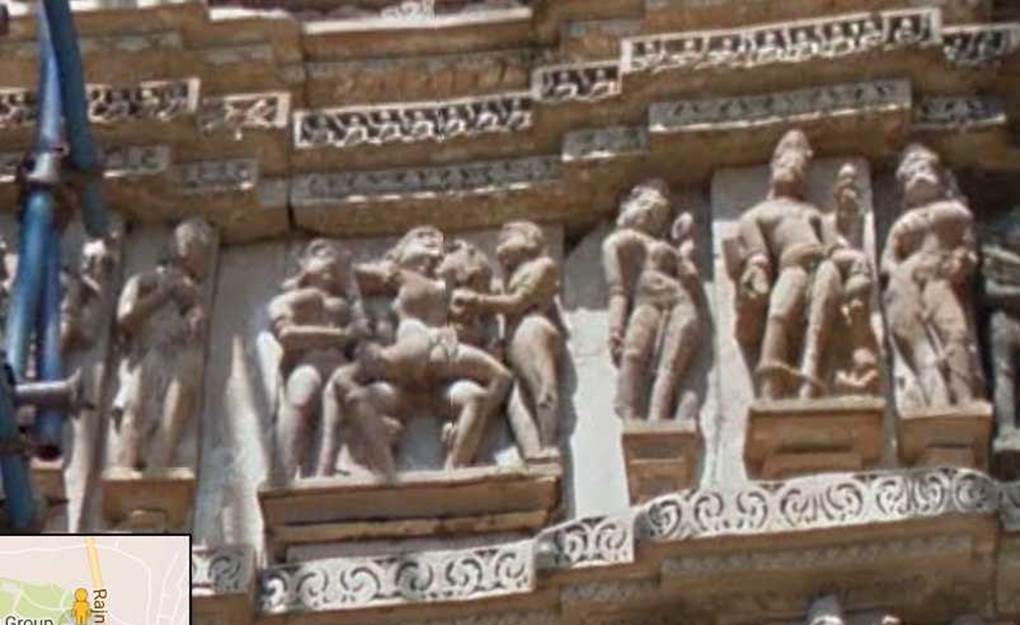
Photo by author, Feb 1989
#3、Kandariya Mahadeva Temple
(left side of the temple grounds)
It is the largest and most representative archaeological site in Khajuraho.
The tower is over 30 meters high. It is a Hindu temple dedicated to the god Shiva, who presides over destruction and rebirth.
Built in the mid-11th century, it is said to be the most beautiful temple built during the Chandela period.
Kandalya Mahadeva Temple on the left and Devi Jagadambi Temple on the right.
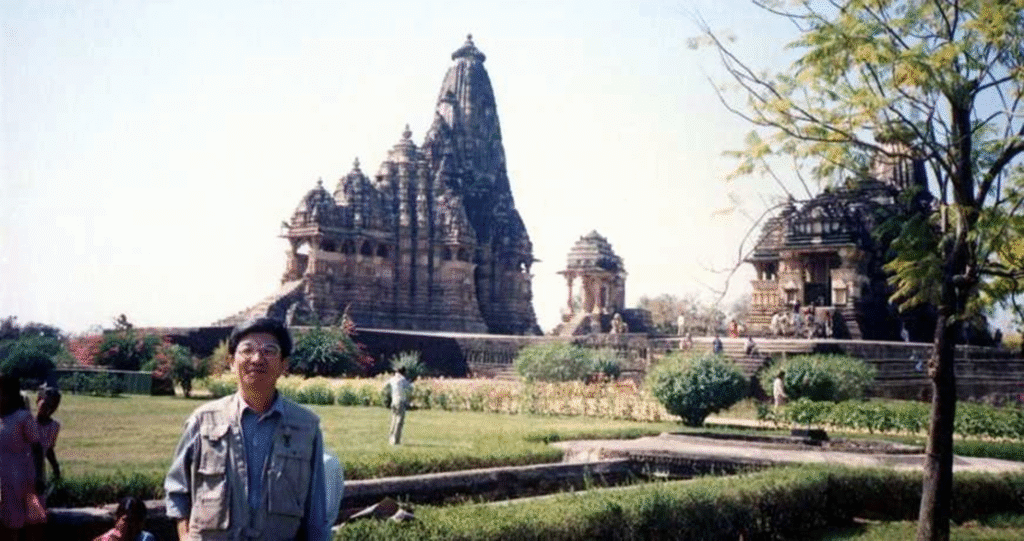
Photo of author by his guide, Feb 1989
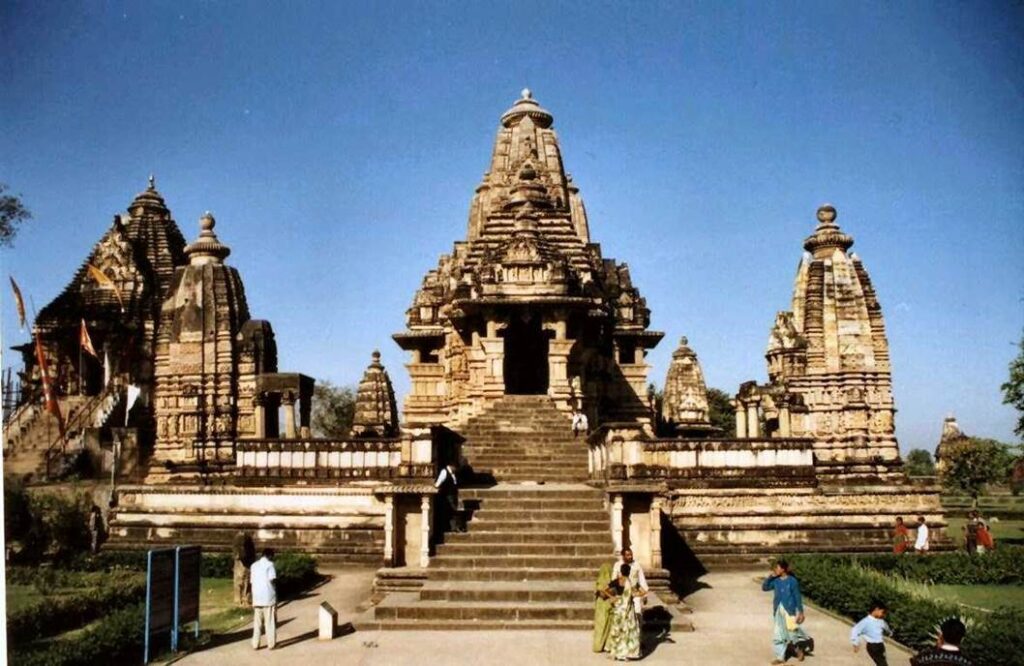
Photo by author, Feb 1989
Unique carvings on the entrance arch
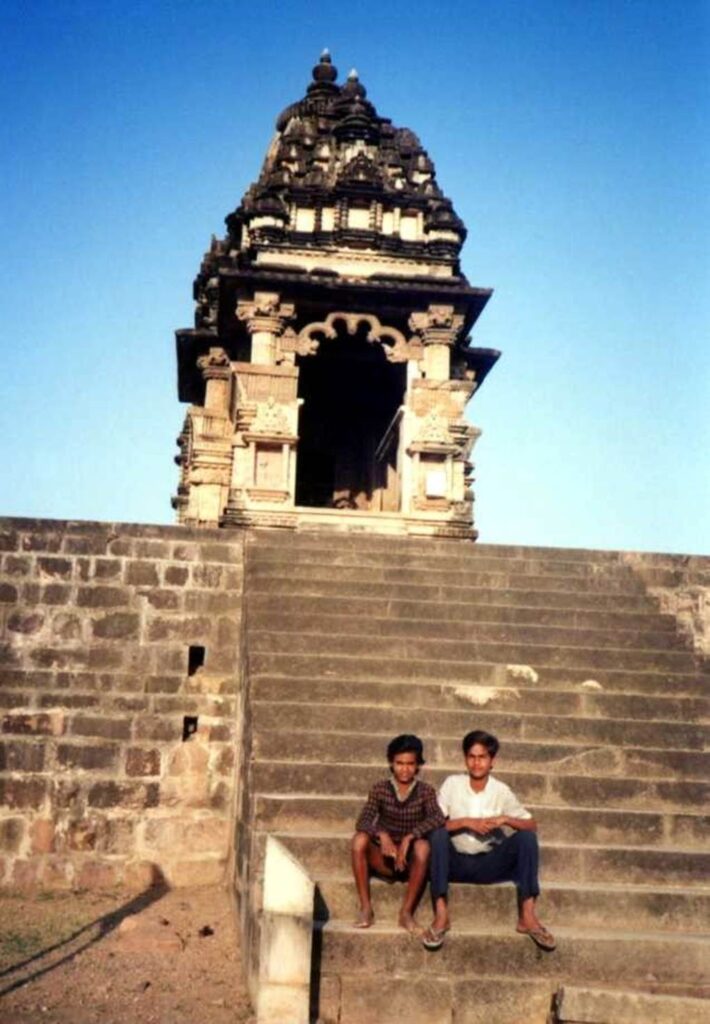
Photo by author, Feb 1989
The main hall in the rear has an organic shape resembling a horsetail
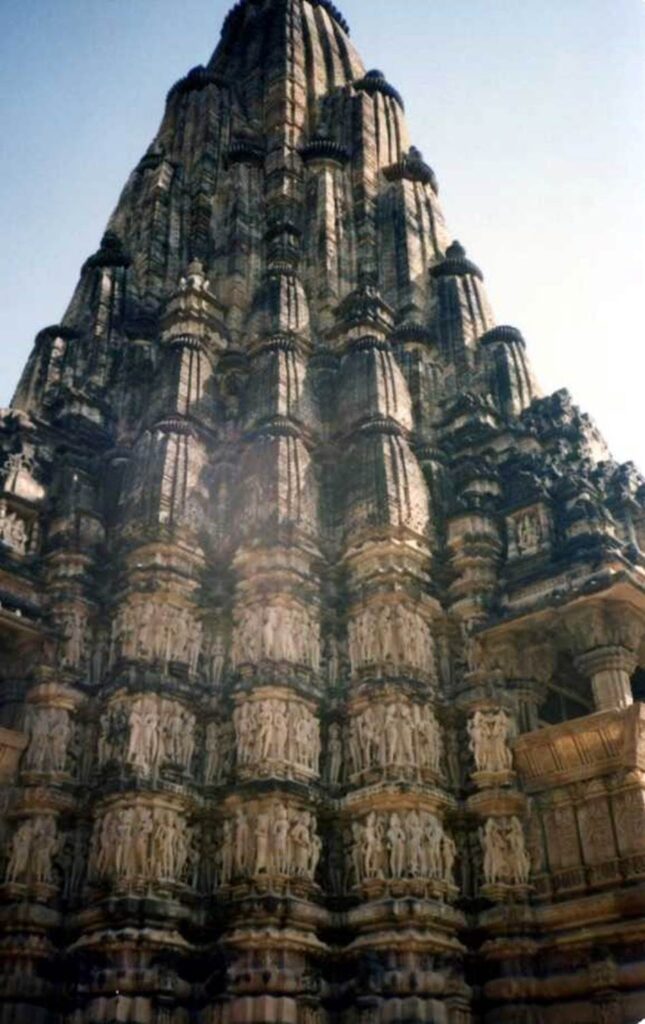
Photo by author, Feb 1989
A masterpiece of sculpture that transcends the image of ascetic religion and unleashes creative freedom.
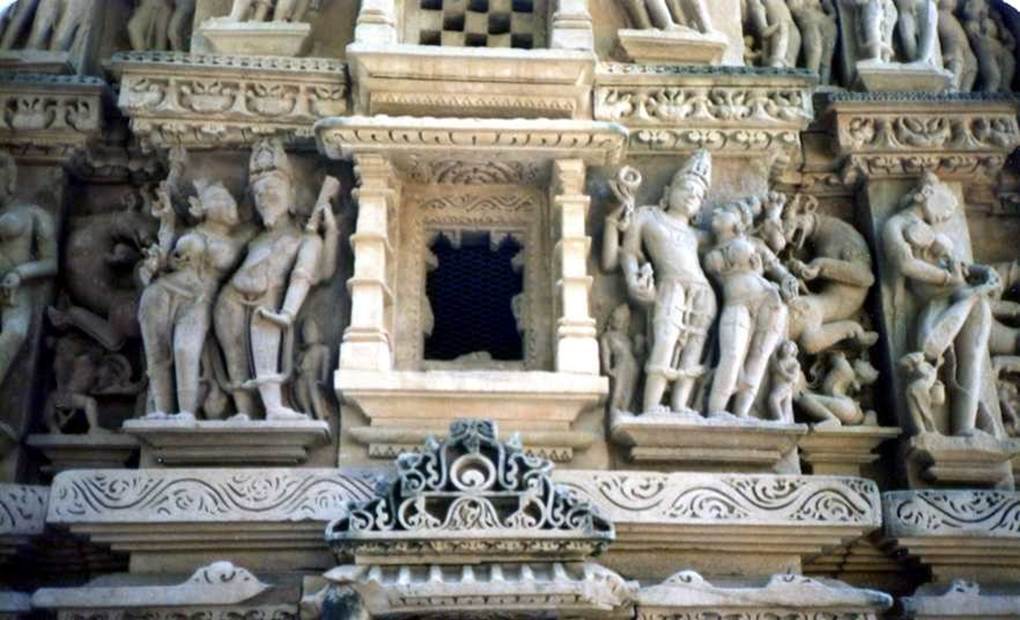
Photo by author, Feb 1989
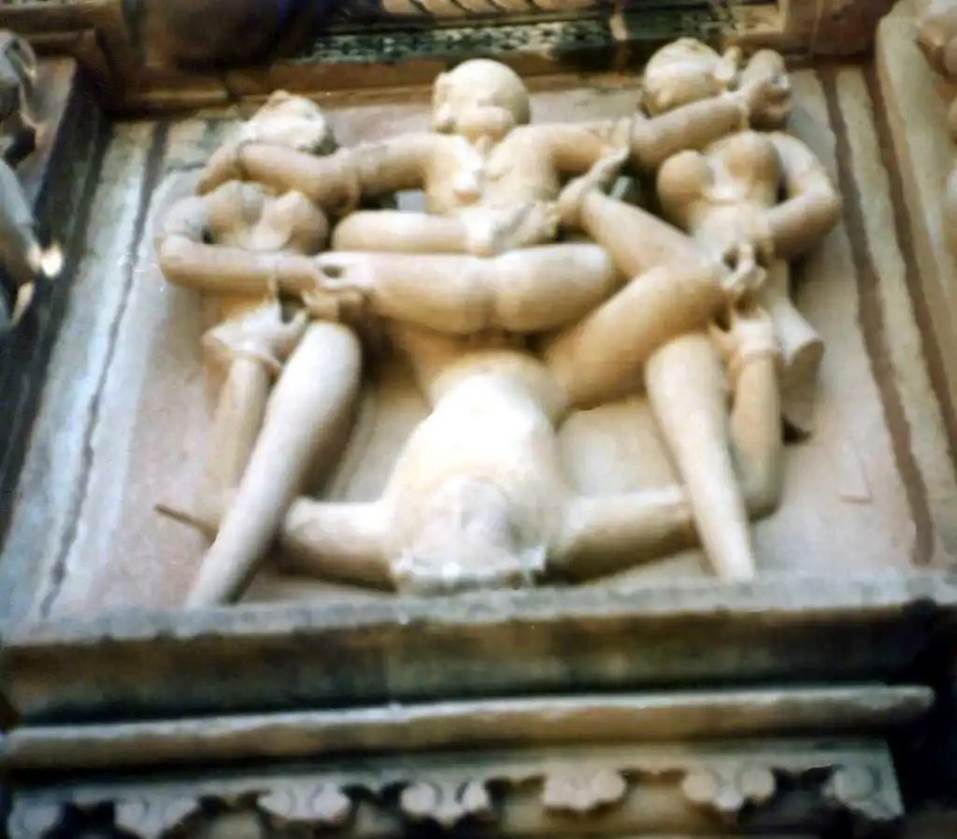
Photo by author, Feb 1989
Devi Jagadambi Temple
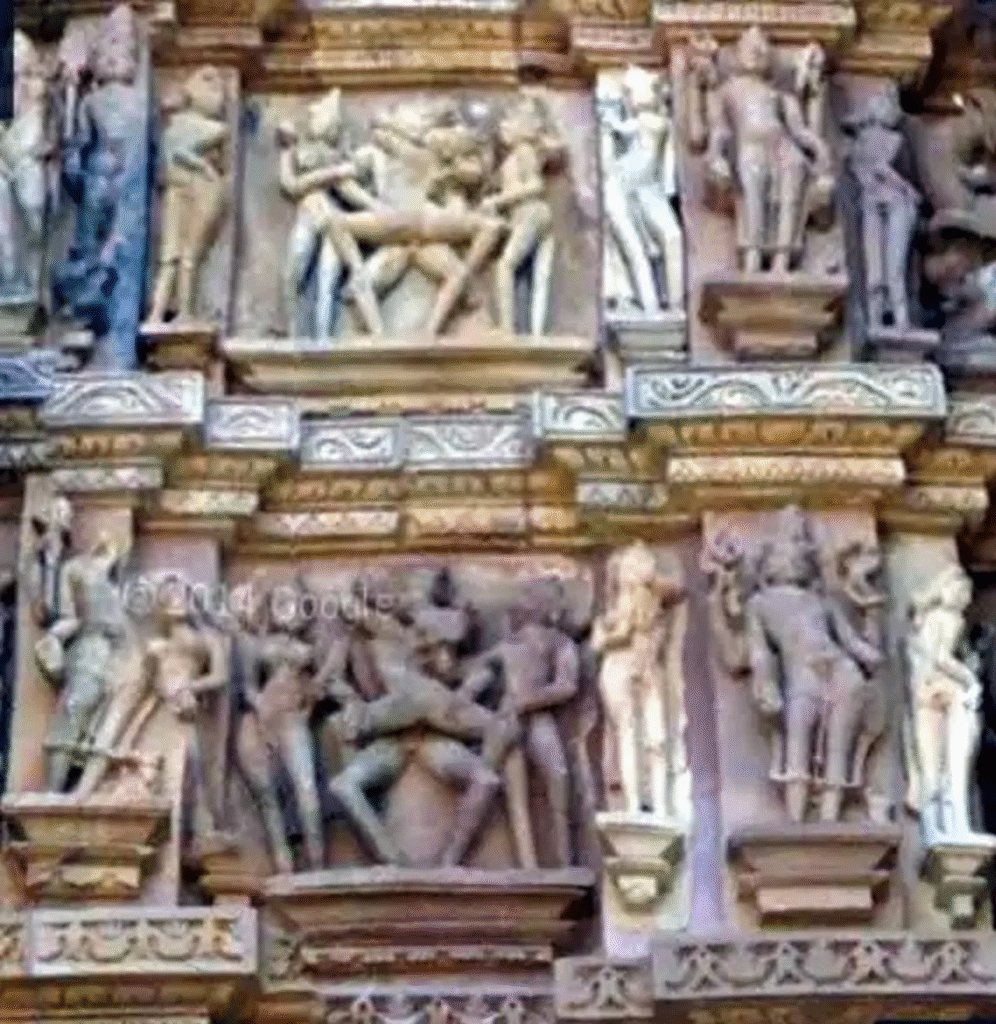
Photo by author, Feb 1989
#4、Chitra Gupta Temple
(right side of the temple grounds)
Chitragupta Temple is a temple built in the early 11th century.
It is rare in Khajuraho to worship the sun god Surya.
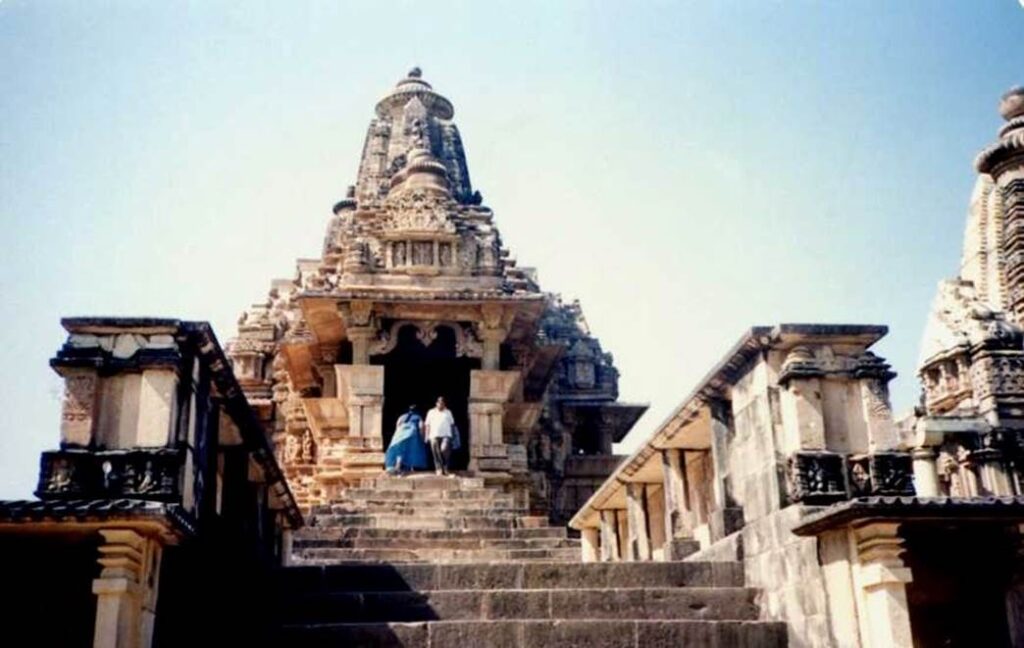
Photo by author, Feb 1989
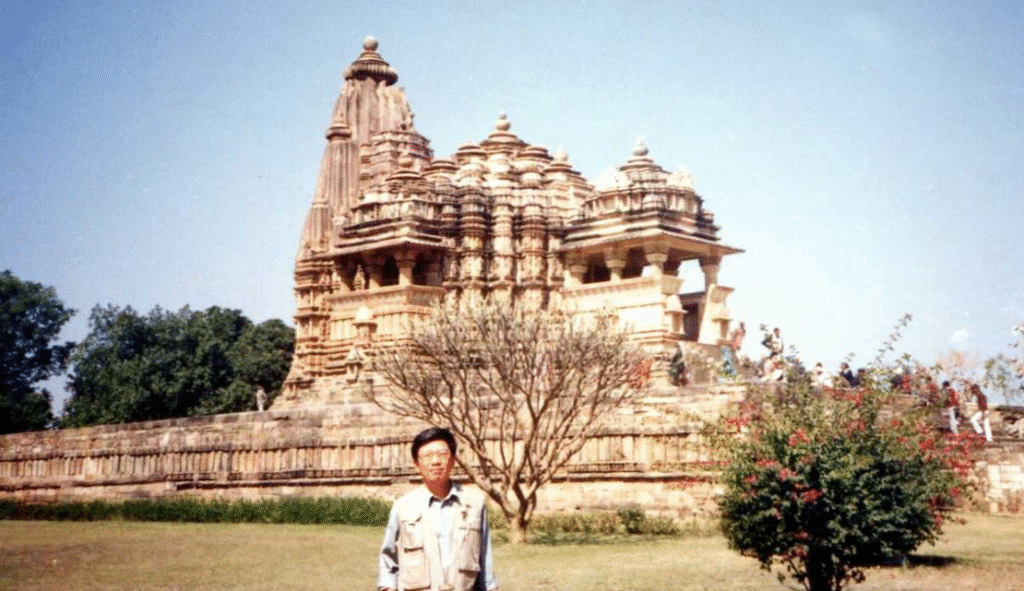
Photo of author by his guide, Feb 1989
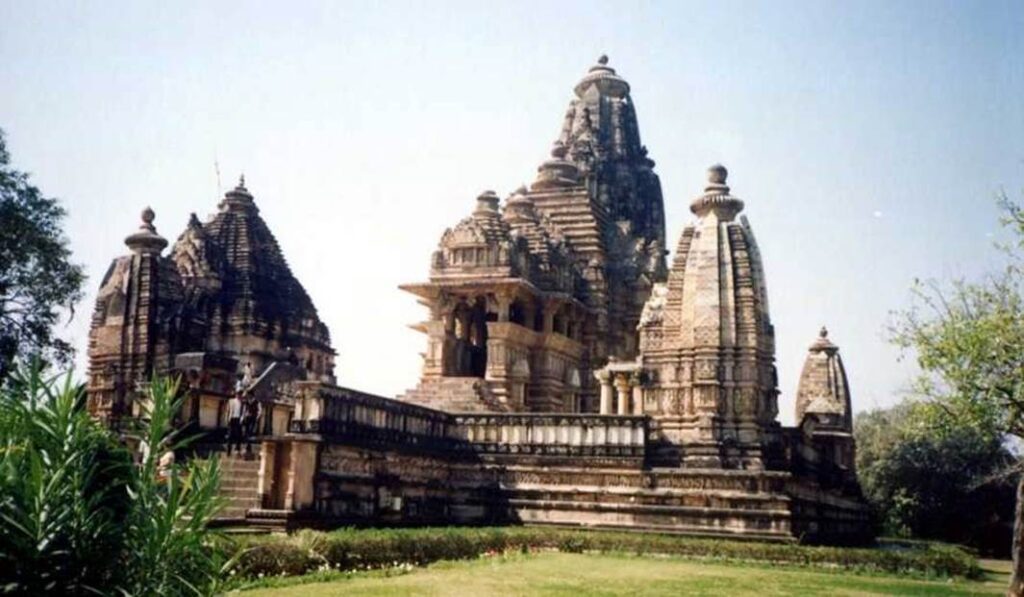
Photo by author, Feb 1989
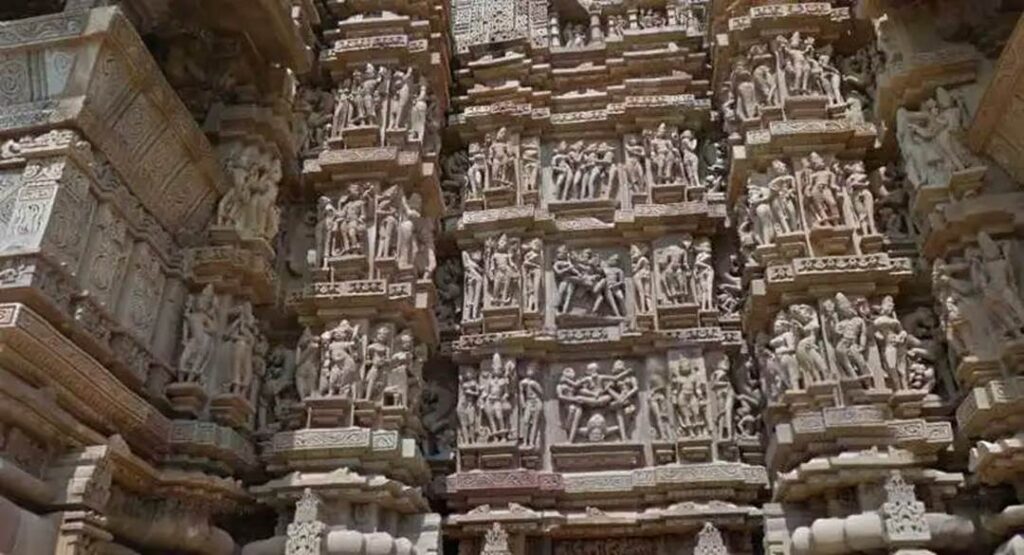
Photo by author, Feb 1989
Masterpiece of art.
It reminds me of the Sagrada Familia in Barcelona.
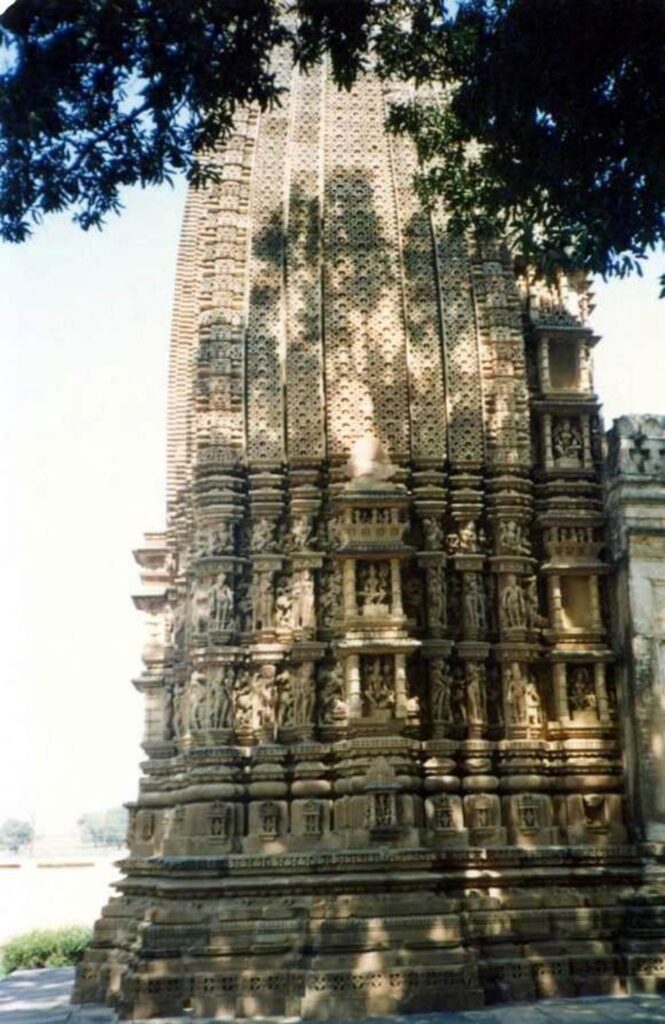
Photo by author, Feb 1989
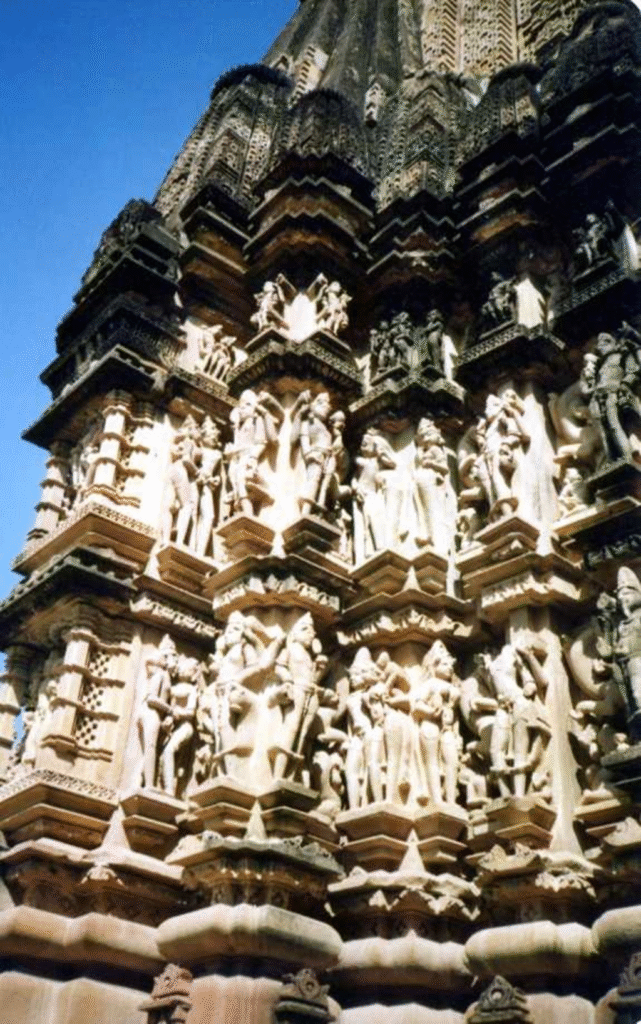
Photo by author, Feb 1989
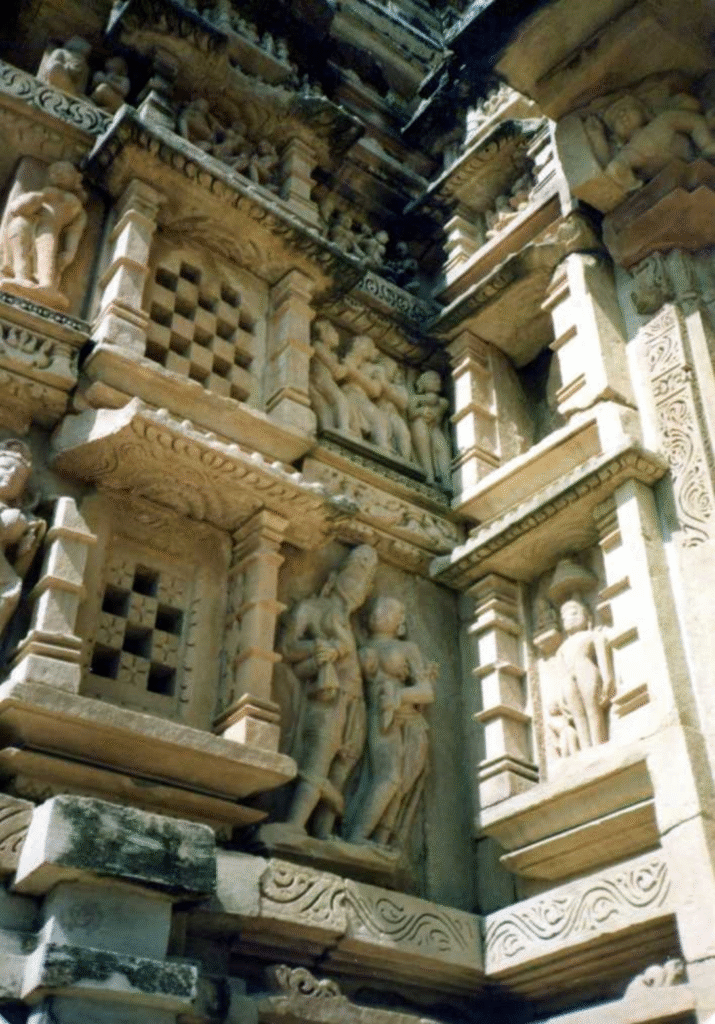
Photo by author, 9 Feb 1989
The Essence of Indian Art
The erotic sculpture of the Mithuna statue in Khajuraho may surprise first-time visitors to see such a thing unfold all over the walls of the temple in broad daylight. It brilliantly destroys the image of a religious temple that is supposed to be sublime.
In ancient times in India, there was already a cultural tradition such as the Kama Sutra, and the sculpture of the Mithuna statue in the temple complex that can be seen in Khajuraho can be said to be a three-dimensional development of it.
The combination of temple architecture and Mithuna sculpture can only be found here in Khajuraho, even though it is located all over the world. It is amazing that this artistic heritage has survived in such a good state of preservation for nearly 10 centuries without being persecuted or destroyed.